Body fat percentage is the amount of fat in the body as a percentage of total body weight. It’s an important measure of health and fitness, as high levels of body fat have been linked to a number of health problems, including heart disease, diabetes, and certain types of cancer.
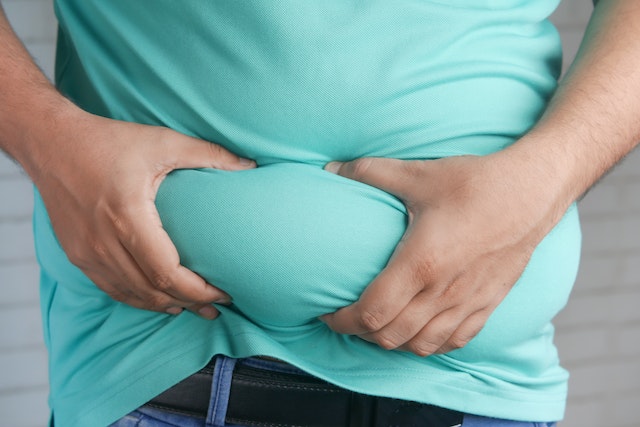
A body fat percentage of 30% falls within the range of what is considered “overweight” for both men and women. However, the appearance of a person with a body fat percentage of 30% can vary depending on a number of factors, including muscle mass, body shape, and overall fitness level.
In general, a person with a body fat percentage of 30% may have a soft, round appearance, with a larger waist and hips compared to the shoulders and chest. There may be visible fat around the abdomen, hips, thighs, and arms. However, it’s important to note that everyone’s body is different, and the appearance of body fat can vary depending on a number of factors.
It’s also important to note that body fat percentage is not the only measure of health and fitness. Other factors, such as muscle mass, cardiovascular fitness, and overall lifestyle habits, can also play a role in overall health and well-being.
If you are concerned about your body fat percentage, it’s important to speak with a healthcare provider or a qualified fitness professional. They can help you assess your body fat percentage and provide guidance on developing a healthy diet and exercise plan to help you reach your goals.
In general, reducing body fat percentage involves a combination of a healthy, balanced diet and regular exercise. Strength training can be particularly effective, as it can help build lean muscle mass and boost metabolism. Cardiovascular exercise, such as running or cycling, can also be effective for burning calories and reducing body fat.
It’s important to approach any changes to your diet and exercise routine with caution and to consult with a healthcare provider or fitness professional before making any significant changes. Rapid weight loss or drastic changes to your diet or exercise routine can be dangerous and may not result in sustainable long-term weight loss.
In conclusion, a body fat percentage of 30% falls within the range of what is considered “overweight,” but the appearance of body fat can vary depending on a number of factors. If you are concerned about your body fat percentage, it’s important to speak with a healthcare provider or fitness professional for guidance on developing a healthy diet and exercise plan to help you reach your goals. Remember that reducing body fat percentage is just one aspect of overall health and fitness, and that a holistic approach to health is key to achieving long-term success.