An ingrown toenail is a common condition that occurs when the toenail grows into the surrounding skin. It can cause pain, swelling, redness, and even infection if left untreated. Epsom salt, also known as magnesium sulfate, has been used as a home remedy for a variety of ailments, including ingrown toenails. In this article, we will discuss what epsom salt does for ingrown toenails and how to use it effectively.
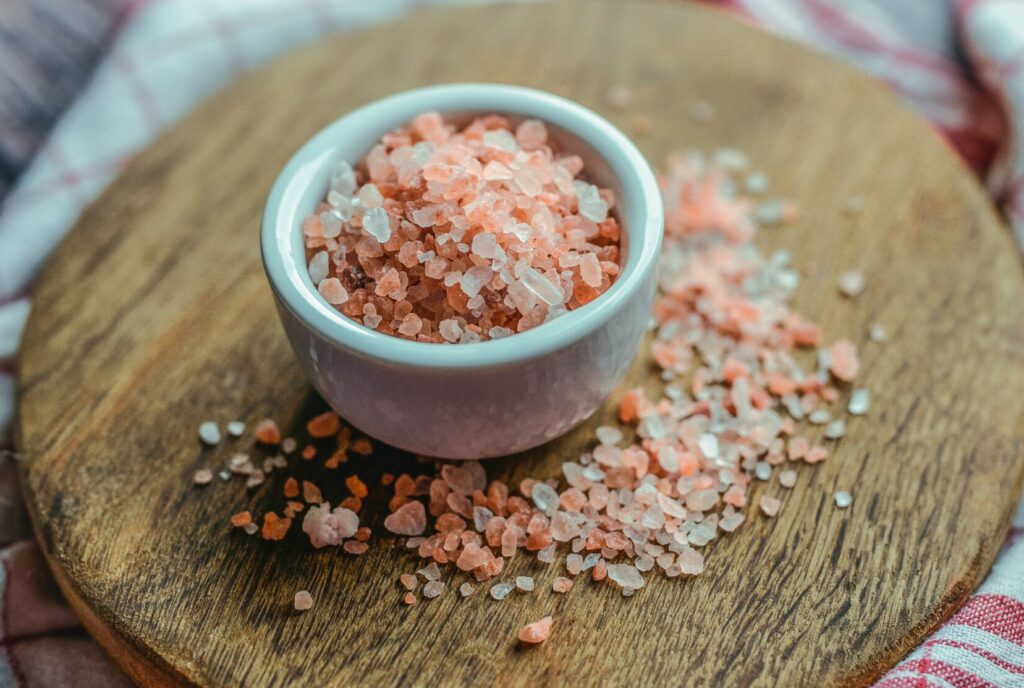
Epsom salt is a naturally occurring mineral compound that contains magnesium, sulfur, and oxygen. It has been used for centuries as a natural remedy for various conditions, including muscle soreness, stress, and constipation. In recent years, epsom salt has gained popularity as a treatment for ingrown toenails.
Epsom salt can help to alleviate the pain and discomfort associated with an ingrown toenail. It has anti-inflammatory properties that can reduce swelling and redness around the affected area. The magnesium in epsom salt can also help to relax muscles and nerves, which can relieve pain and discomfort.
To use epsom salt for an ingrown toenail, you will need to create an epsom salt bath. Here are the steps to follow:
- Fill a basin or bathtub with warm water.
- Add 1 cup of epsom salt to the water and stir until it dissolves.
- Soak your affected foot in the epsom salt bath for 15-20 minutes.
- Repeat this process 2-3 times per day until your ingrown toenail has healed.
In addition to soaking your foot in an epsom salt bath, you can also make a compress to apply directly to the affected area. Here’s how to do it:
- Mix 2-3 tablespoons of epsom salt with a small amount of warm water to create a paste.
- Apply the paste to a small piece of gauze or cotton.
- Place the compress on the affected area and secure it with tape or a bandage.
- Leave the compress on for 15-20 minutes.
- Repeat this process 2-3 times per day until your ingrown toenail has healed.
Epsom salt can also be used in combination with other home remedies to treat an ingrown toenail. Here are some additional tips:
- Soak your foot in warm water with epsom salt and a few drops of tea tree oil. Tea tree oil has antibacterial properties that can help to prevent infection.
- Apply a mixture of epsom salt and coconut oil to the affected area. Coconut oil has moisturizing properties that can help to soften the skin and make it easier to remove the ingrown toenail.
- Use a warm compress to soften the skin around the ingrown toenail before attempting to remove it. This can help to reduce pain and make the process easier.
It’s important to note that if your ingrown toenail is severe or infected, you should seek medical attention. A podiatrist can provide treatment to help alleviate your symptoms and prevent complications.
In conclusion, epsom salt can be an effective home remedy for an ingrown toenail. It can help to reduce pain and inflammation, and it’s easy to use. If you’re experiencing symptoms of an ingrown toenail, try soaking your foot in an epsom salt bath or applying an epsom salt compress. However, if your symptoms persist or worsen, seek medical attention from a podiatrist.