“FUPA” is a slang term that stands for “Fat Upper Pubic Area.” It is often used to describe a prominent or bulging area of fat located above the pubic region, typically in the lower abdomen or groin area. The term is considered vulgar and derogatory by many, and its use is generally discouraged.
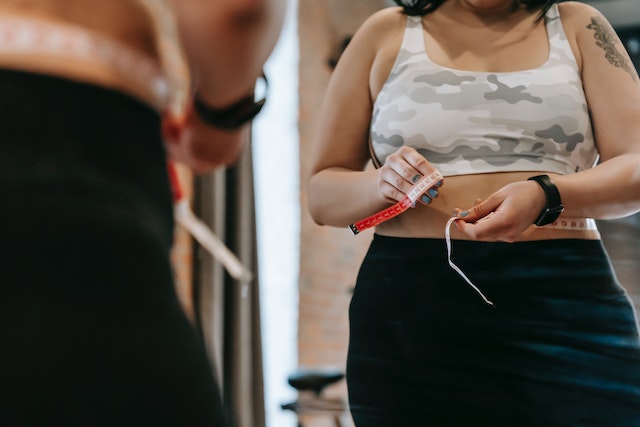
The origins of the term “FUPA” are not entirely clear, but it appears to have emerged in the late 1990s or early 2000s as part of internet slang. It may have originated in the bodybuilding or fitness communities as a way to describe excess fat in the lower abdomen area, which can be difficult to eliminate through exercise and diet alone. Alternatively, it may have emerged as a way to mock or shame individuals who carry excess weight in this area.
Regardless of its origins, the term “FUPA” has become a popular slang term in certain circles, particularly among young people and those who are active on social media. It is often used in a humorous or self-deprecating way, as a way to poke fun at one’s own body or to tease friends who may be carrying extra weight in the lower abdomen area.
However, it is important to note that the use of the term “FUPA” can be hurtful or offensive to some individuals, particularly those who struggle with body image issues or who have experienced fat-shaming or other forms of discrimination. The term reinforces harmful stereotypes about body shape and size, and it can contribute to a culture of shame and negativity around weight and appearance.
In recent years, there has been a growing movement to promote body positivity and acceptance, and to challenge harmful stereotypes about beauty and body size. Many advocates for body positivity argue that all bodies are beautiful and deserving of respect, regardless of their size or shape. They encourage individuals to embrace their bodies and to reject harmful societal norms that promote unrealistic beauty standards.
In conclusion, the slang term “FUPA” refers to excess fat in the upper pubic area and is considered vulgar and derogatory by many. While it may be used in a humorous or self-deprecating way, its use can be hurtful or offensive to some individuals, particularly those who struggle with body image issues or who have experienced discrimination based on their size or appearance. As we continue to promote body positivity and acceptance, it is important to reject harmful stereotypes and to celebrate the diversity and beauty of all bodies.