Lochia is the term used to describe the discharge of blood and other fluids from the uterus after childbirth. Lochia is a normal part of the postpartum period and usually lasts for around four to six weeks after delivery. However, if the lochia becomes infected, it can cause complications and prolong the healing process.
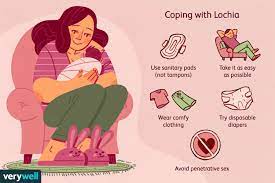
Infected lochia, also known as lochiometra or postpartum endometritis, is a condition that occurs when bacteria infect the lochia. This can happen if bacteria from the vagina or rectum enter the uterus during childbirth, or if there is damage to the uterus during delivery.
One of the primary symptoms of infected lochia is a foul-smelling discharge. The discharge may have a strong, unpleasant odor that is similar to the smell of rotting flesh. It may also be thicker and darker in color than normal lochia, and may contain blood clots or pus.
In addition to the foul odor, women with infected lochia may also experience pain or discomfort in the lower abdomen. This can range from mild discomfort to severe pain, and may be accompanied by cramping or fever.
Other symptoms of infected lochia may include:
- Increased vaginal bleeding: Women with infected lochia may experience heavier or more prolonged bleeding than normal.
- Pelvic pain: The pain associated with infected lochia may be felt in the pelvic area, and may be worse when sitting or standing.
- Painful urination: Some women with infected lochia may experience pain or burning during urination.
- Back pain: In some cases, the pain associated with infected lochia may radiate to the lower back.
- Fever: A fever is a common sign of infection, and may indicate that the infection has spread beyond the uterus.
If you suspect that you may have infected lochia, it is important to seek medical attention as soon as possible. Your healthcare provider may recommend antibiotics or other medications to help clear the infection, and may also recommend additional tests or procedures to determine the extent of the infection.
In severe cases, surgery may be necessary to remove any infected tissue or to repair damage to the uterus. Women with infected lochia may also need to be hospitalized to receive intravenous antibiotics or other treatments.
Preventing infected lochia is key to reducing the risk of complications and promoting a faster recovery. Some steps you can take to reduce your risk of developing infected lochia include:
- Practice good hygiene: Wash your hands frequently, and avoid touching your genital area unless necessary.
- Avoid tampons: Tampons can increase the risk of infection and should be avoided during the postpartum period.
- Use sanitary pads: Use sanitary pads to absorb the lochia, and change them frequently.
- Stay hydrated: Drink plenty of fluids to help flush out bacteria from your system.
- Rest and recover: Take it easy during the postpartum period and avoid strenuous activities that may increase the risk of infection.
In conclusion, infected lochia is a serious condition that can cause a range of symptoms, including foul-smelling discharge, pelvic pain, and fever. If you suspect that you may have infected lochia, it is important to seek medical attention right away. Taking steps to prevent infection can help reduce your risk of complications and promote a faster recovery.