“Kai” is a significant and multi-faceted term in the Hawaiian language, spoken by the indigenous people of Hawaii, which carries rich cultural and spiritual meanings. With its diverse interpretations and applications, “kai” encompasses a wide range of concepts that are deeply rooted in Hawaiian history, customs, and values.
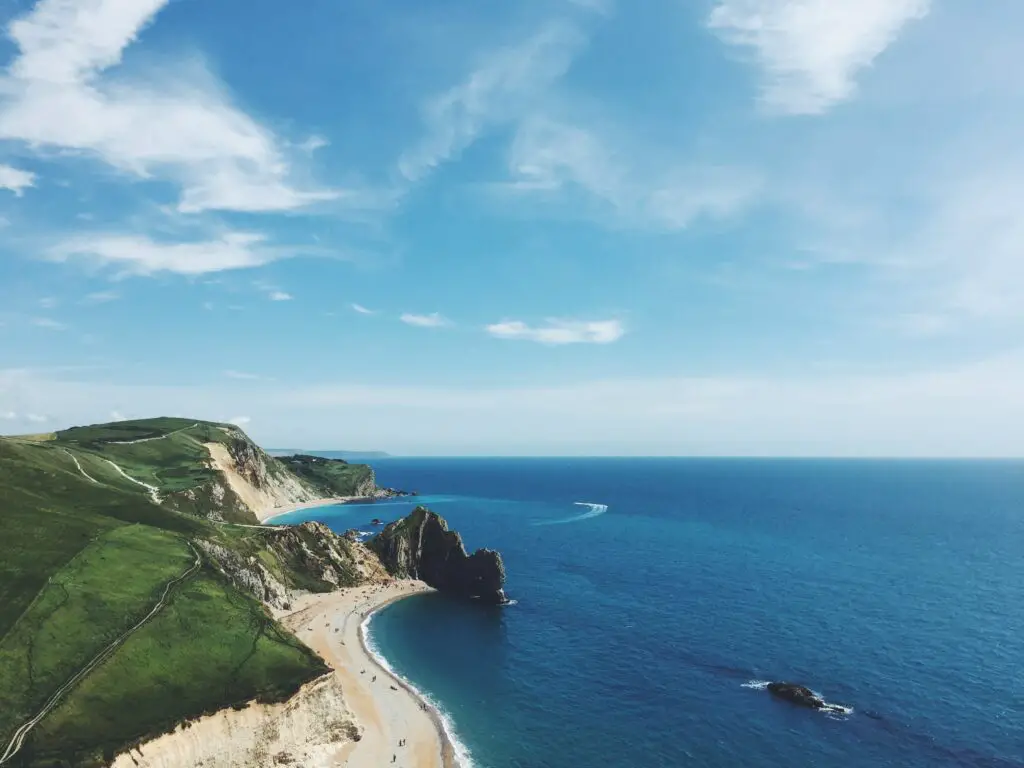
At its most basic level, “kai” refers to the sea or the ocean. As an archipelago located in the middle of the Pacific Ocean, the ocean has always played a crucial role in the lives of the Hawaiian people. It has provided sustenance through fishing, served as a mode of transportation, and served as a source of inspiration for traditional Hawaiian chants, songs, and stories. The sea has also been considered a sacred place, believed to be the realm of the gods and ancestors, and a source of spiritual power for the Hawaiian people.
In Hawaiian culture, “kai” is not limited to its physical representation as a body of water, but also embodies deeper meanings that are embedded in the language and cultural practices. For instance, “kai” is often associated with the concept of “aina,” which refers to the land or the earth. In the Hawaiian worldview, the land and the sea are interconnected and considered part of a larger whole. The health and well-being of the land and the sea are believed to be closely intertwined, and the Hawaiians have a deep sense of stewardship towards the natural environment. “Kai” thus represents the interconnectedness and interdependence of the land and the sea, and the need for their harmonious coexistence.
“Kai” is also used in various Hawaiian sayings and proverbs, where it carries metaphorical meanings. For example, the phrase “He kai pohaku nui” refers to a great ocean of rocks, and is used to describe a situation that is difficult or challenging to overcome. Similarly, the saying “Mai ka po mai ka ‘oia’i’o o ka ‘aina” translates to “From the darkness comes the true light of the land,” and conveys the idea that knowledge and wisdom can arise from difficult or challenging circumstances, just as the light emerges from the darkness of the ocean.
Furthermore, “kai” has spiritual connotations in Hawaiian culture. The ocean is considered a sacred place, believed to be inhabited by various gods and goddesses, and is often associated with rituals, ceremonies, and offerings. For example, “Kapu Kai” refers to a sacred prohibition that restricts access to certain areas of the ocean during specific times of the year to allow for marine conservation and replenishment of resources. Additionally, “kai” is often associated with healing and cleansing practices. “Kai Kane” and “Kai Wahine” are gender-specific terms for the masculine and feminine aspects of the ocean, respectively, and are invoked in traditional healing practices to restore balance and harmony to the body, mind, and spirit.
In Hawaiian names, “kai” is also a common element, representing the ocean or sea. For instance, names like “Kaimana” (diamond ocean), “Kaipo” (sweetheart of the sea), and “Kailani” (heavenly sea) all incorporate “kai” to convey a connection to the ocean and its significance in Hawaiian culture. These names not only reflect the physical presence of the ocean in Hawaii but also carry spiritual and cultural meanings that are deeply cherished by the Hawaiian people.
In contemporary Hawaiian society, “kai” continues to hold cultural significance and is celebrated through various cultural practices, events, and activities. For example, “Makahiki” is an annual Hawaiian festival that marks the beginning of the harvest season and pays homage to the god Lono, who is associated with fertility and agriculture.