Lime, also known as calcium oxide, is a commonly used substance for a variety of purposes. However, there are some claims that lime can be used to repel or even kill snakes. In this article, we will explore the effectiveness of lime as a snake deterrent and the potential risks associated with its use.
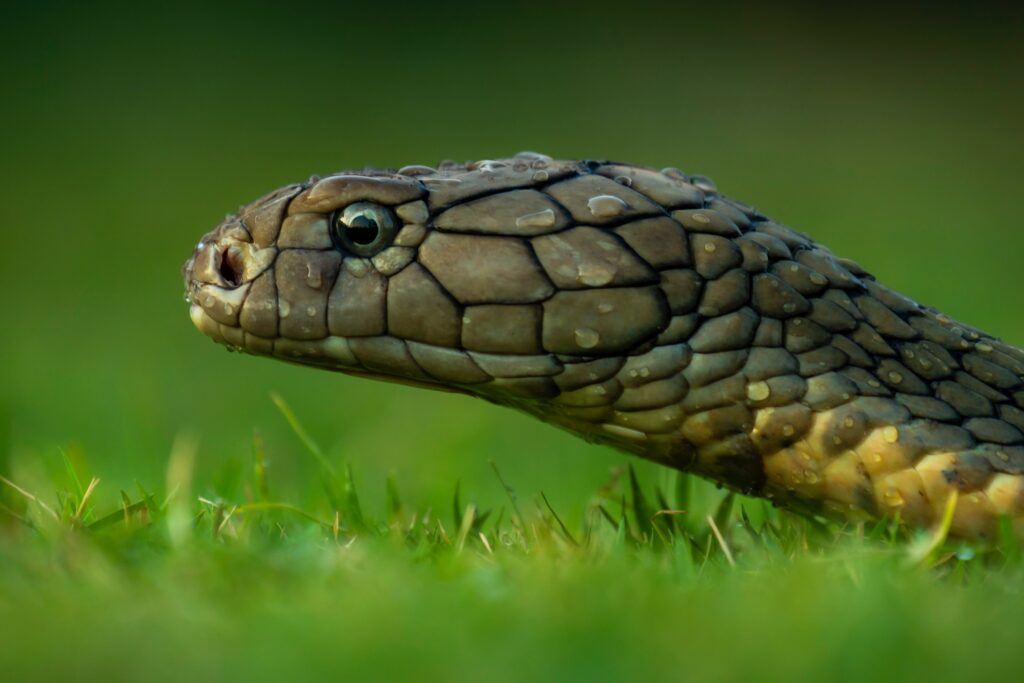
Does Lime Repel Snakes?
There is some anecdotal evidence that lime may be effective in repelling snakes. It is believed that the strong odor and alkaline nature of lime can be unpleasant for snakes and deter them from entering a particular area.
However, there is little scientific evidence to support the effectiveness of lime as a snake repellent. Snakes have a strong sense of smell, and they may be able to detect the presence of lime. However, they are also able to adapt to new scents and may become accustomed to the smell of lime over time.
Furthermore, lime may not be effective in repelling all species of snakes. Different species of snakes have different behaviors and may respond differently to various types of deterrents. It is also important to note that lime may not be a long-term solution for snake control, as snakes may eventually return to the area once the lime scent has dissipated.
Can Lime Kill Snakes?
There are also claims that lime can be used to kill snakes. Some individuals believe that sprinkling lime on a snake will cause it to dehydrate and die.
However, there is little evidence to support the claim that lime is an effective method for killing snakes. While it is true that lime is alkaline and can cause irritation to the skin and eyes of snakes, it is unlikely to cause significant harm or death. Snakes are able to adapt to new environments and can tolerate a wide range of pH levels in their surroundings.
Furthermore, using lime to kill snakes can be dangerous and is not recommended. Lime is a caustic substance that can cause burns and irritation to the skin, eyes, and respiratory system of humans and animals. It can also be harmful if ingested or inhaled. Using lime to kill snakes can also harm other wildlife and disrupt the ecosystem.
Are There Safer Alternatives for Snake Control?
While lime may not be an effective or safe method for snake control, there are other options available. Here are a few examples:
- Habitat Modification: Modifying the environment around your home or property can make it less hospitable to snakes. This can include removing brush piles, tall grass, and debris, as well as sealing cracks and holes in buildings to prevent snakes from entering.
- Snake Repellents: There are a variety of snake repellents available on the market, such as sprays and granules. These products typically contain natural ingredients, such as essential oils or sulfur, and are designed to repel snakes without harming them.
- Traps: Live traps can be used to capture snakes and relocate them to a different area. It is important to use humane traps and release the snakes in a safe and appropriate location.
- Professional Snake Removal: If you are experiencing a snake infestation or are uncomfortable handling snakes, it may be best to hire a professional snake removal service. These experts can safely remove snakes from your property and offer advice on how to prevent future infestations.
Conclusion
While there is some anecdotal evidence to suggest that lime may be effective in repelling or killing snakes, there is little scientific evidence to support these claims. Using lime for snake control can also be dangerous and is not recommended. Instead, it is important to focus on safe and effective methods for snake control, such as habitat modification, repellents, traps, and professional removal services. By taking these steps, you can keep your property safe and snake-free while also protecting the environment and wildlife.