Miscarriage is a term used to describe the loss of a pregnancy before the 20th week. In most cases, the cause of a miscarriage is unknown, but it is believed to be due to genetic abnormalities, hormonal imbalances, or other health issues. When a miscarriage occurs, the body expels the fetal tissue, which can appear different depending on the gestational age of the fetus and the circumstances of the miscarriage.
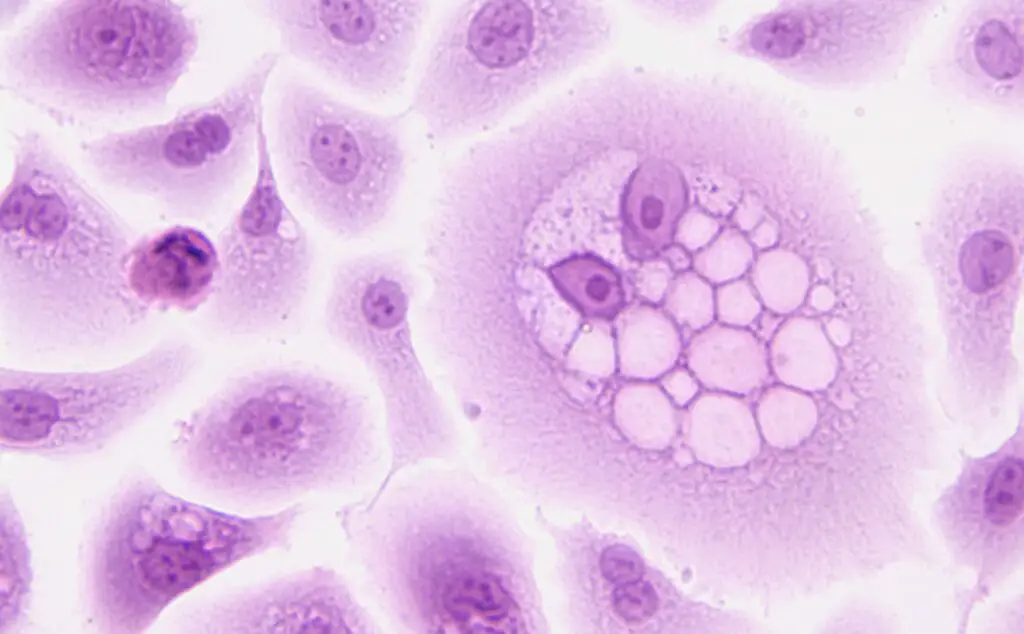
The appearance of miscarriage tissue can vary greatly, depending on how far along the pregnancy was and how long it has been since the miscarriage occurred. It is important to note that the appearance of the tissue can be distressing for some individuals, and it is recommended that anyone experiencing a miscarriage seek emotional support and medical care.
Early Miscarriage (up to 12 weeks):
In the early stages of a pregnancy, the fetal tissue is still small and underdeveloped, which means that the miscarriage tissue may not be visible to the naked eye. In some cases, the tissue may appear as a clot or a small, dense mass of tissue. The color of the tissue can range from bright red to dark brown or even black, depending on how long it has been since the miscarriage occurred.
If the miscarriage occurs very early in the pregnancy, it may be difficult to differentiate the fetal tissue from a heavy menstrual period. However, if the individual has been tracking their pregnancy through pregnancy tests, they may notice a sudden drop in the intensity of the positive test line or the appearance of spotting or bleeding.
Late Miscarriage (12-20 weeks):
In later stages of a pregnancy, the fetal tissue is more developed, which means that the miscarriage tissue may be more visible and recognizable. In some cases, the tissue may appear as a small, fully formed fetus or a placenta. The appearance of the tissue can be distressing and may cause significant emotional distress for those experiencing a miscarriage.
In a late miscarriage, the fetal tissue may be expelled in one large piece or may be broken up into smaller pieces. The color of the tissue may range from pink to brown to red or even black, depending on how long it has been since the miscarriage occurred. It is also possible for the tissue to have a foul odor, which is a sign of infection and requires immediate medical attention.
Ectopic Pregnancy:
An ectopic pregnancy occurs when the fertilized egg implants outside the uterus, usually in the fallopian tubes. When an ectopic pregnancy ends in miscarriage, the tissue may be expelled in a similar manner to a normal miscarriage. However, if the tissue is not expelled, it can lead to a medical emergency, as the tissue can continue to grow and cause damage to the surrounding organs.
The appearance of the tissue in an ectopic pregnancy may be similar to that of a normal miscarriage, but it may also include significant bleeding and pain. If an individual suspects that they may have an ectopic pregnancy, it is important to seek medical attention immediately.
Molar Pregnancy:
A molar pregnancy is a rare condition in which the fertilized egg develops into a mass of abnormal cells instead of a normal fetus. When a molar pregnancy ends in miscarriage, the tissue may appear as a large, grape-like mass. The tissue may also have a yellowish color and may contain cysts or fluid-filled sacs.
In some cases, a molar pregnancy can lead to the development of a tumor, which requires medical treatment. It is important for anyone experiencing a molar pregnancy to seek medical attention immediately.
In conclusion, the appearance of miscarriage tissue can vary greatly depending on the gestational age of the fetus and the circumstances of the miscarriage.