In the military, the term “pog” is often used as a slang term to refer to personnel who are not involved in combat or frontline operations. The term is often used in a derogatory manner and can be seen as dismissive or disrespectful towards those who perform non-combat roles in the military.
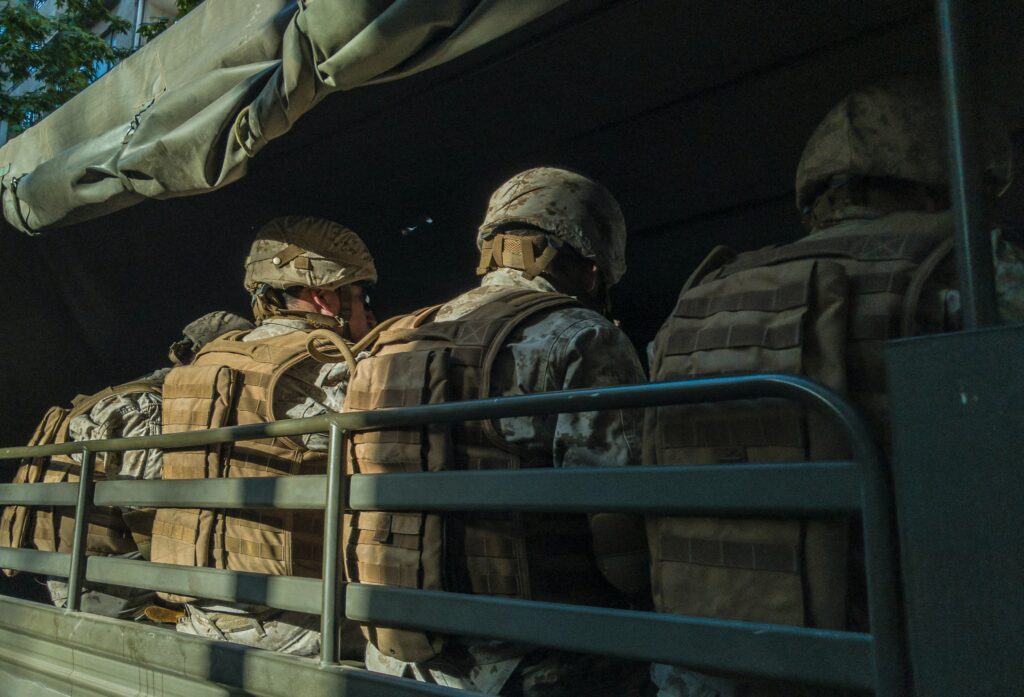
The origins of the term “pog” are not entirely clear, but it is believed to be an acronym for “personnel other than grunts.” Grunts are infantry soldiers who are on the front lines of combat, and “pogs” are all other military personnel who do not have a direct combat role. This can include support personnel such as logistics specialists, administrative staff, and medical personnel, as well as non-combat military occupations such as chaplains or military lawyers.
While the term “pog” may have started as a simple acronym, it has taken on a more derogatory meaning over time. Some soldiers use the term as a way to assert their superiority over non-combat personnel, while others may use it to express frustration with the bureaucracy and administrative work that is required in any large organization, including the military.
In recent years, the use of the term “pog” has become more controversial, as it can be seen as disrespectful towards those who perform important roles in the military that are not related to combat. In particular, medical personnel and other support staff have been recognized for their crucial role in treating wounded soldiers and keeping the military running smoothly.
Some military leaders have encouraged soldiers to move away from using the term “pog” and instead focus on building a culture of respect and appreciation for all members of the military, regardless of their specific role or job function. This can help to create a more inclusive and supportive environment that values the contributions of all members of the military.
In conclusion, while the term “pog” may have started as a simple acronym to distinguish between combat and non-combat personnel, it has taken on a more derogatory meaning in the military over time. Some soldiers use the term to assert their superiority over non-combat personnel, while others may use it to express frustration with administrative work. However, in recent years, the use of the term “pog” has become more controversial, as it can be seen as disrespectful towards those who perform important roles in the military. Military leaders have encouraged soldiers to focus on building a culture of respect and appreciation for all members of the military, regardless of their specific role or job function.