Gold has been highly prized by humans for its rarity, durability, and beauty for thousands of years. It is found in various forms and locations, but it is commonly found in rocks and deposits deep within the earth’s crust. There are various methods to identify real gold in rocks, including visual inspection, chemical analysis, and geological mapping.
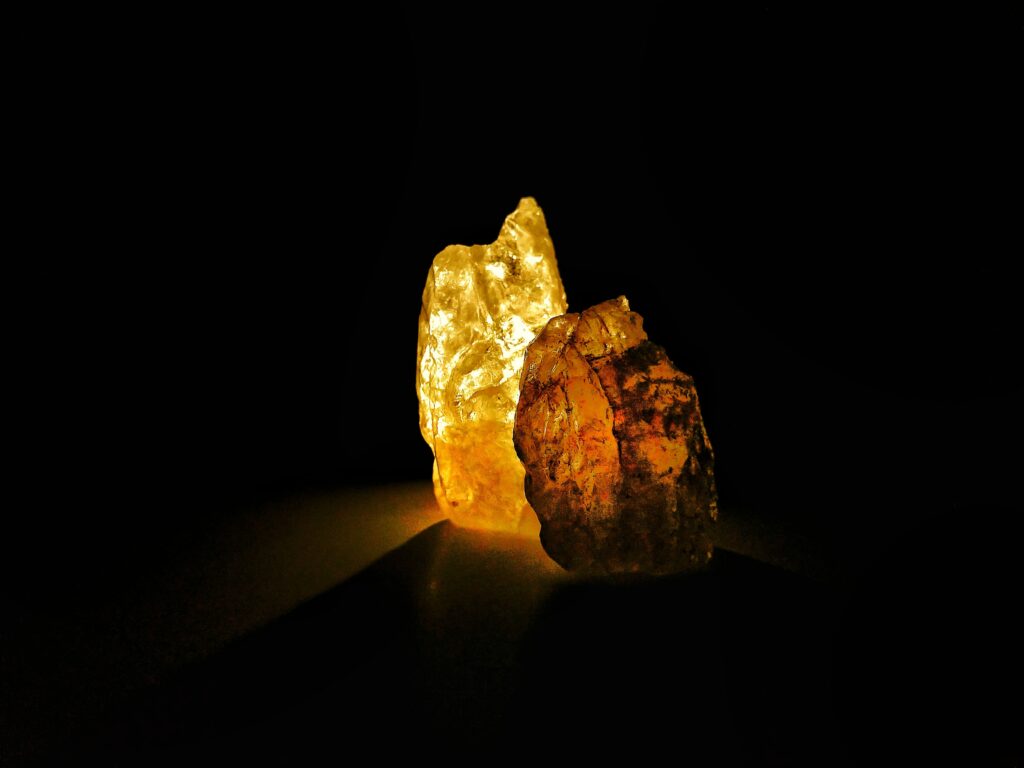
One simple method to identify gold in rocks is visual inspection. Gold has a unique yellow color that sets it apart from other metals. However, not all gold is visible to the naked eye, and it may be embedded in other minerals or rocks. Therefore, it is important to understand the types of rocks where gold is commonly found, such as quartz veins, which are narrow fissures or cracks in rocks where gold is deposited along with other minerals like silver, copper, and zinc.
When examining rocks for gold, it is important to look for visible signs of gold mineralization, such as visible gold flakes, veins of gold running through the rock, or discoloration of the rock due to gold mineralization. However, it is important to note that not all gold deposits are visible to the naked eye and may require more advanced techniques for identification.
Chemical analysis is another method for identifying gold in rocks. Gold is a chemical element with the symbol Au and atomic number 79. It is a soft, dense, yellow metal that is highly malleable and ductile. Gold is resistant to corrosion and is an excellent conductor of electricity and heat, making it unique and easy to identify in rocks.
One common method for analyzing gold in rocks is fire assay. This method involves heating a sample of the rock in a furnace to a high temperature, causing the gold to melt and separate from other minerals in the rock. The gold is then collected and weighed to determine its purity and quantity. Spectroscopy is another method for analyzing gold in rocks. It involves shining a beam of light on a sample of the rock and measuring the wavelengths of light that are absorbed or emitted by the sample. Each element has a unique spectral signature that can be used to identify it in a sample.
Geological mapping is another method for identifying gold in rocks. Geologists use various techniques to map the geology of an area and identify the locations of mineral deposits. This may involve examining the structure and composition of rocks, studying the history of the area, and analyzing geological features like faults, folds, and fractures.
One common method for mapping the geology of an area is remote sensing. This involves using aerial or satellite imagery to study the surface features of an area and identify geological formations that may contain mineral deposits like gold. Remote sensing can also be used to identify areas of the earth where gold may be present due to the presence of other minerals or geological features that are associated with gold mineralization.
In conclusion, identifying real gold in rocks requires a thorough understanding of the various methods, including visual inspection, chemical analysis, and geological mapping. Gold has unique physical and chemical properties that make it distinct from other metals and minerals. Therefore, it is important to have a basic understanding of gold’s characteristics and the types of rocks and minerals where gold is commonly found. With the right tools and knowledge, anyone can identify real gold in rocks and unlock the potential for a valuable discovery.