Salt can have different effects on ants depending on the amount and method of application. Here are some possible ways that salt can affect ants:
Dehydration: One of the most well-known effects of salt on ants is dehydration. Salt draws moisture out of their bodies, leading to water loss and eventually death. This is why people sometimes sprinkle salt on ant hills or around the edges of their homes to deter ants. When ants come into contact with the salt, it can cause them to dry out and die.
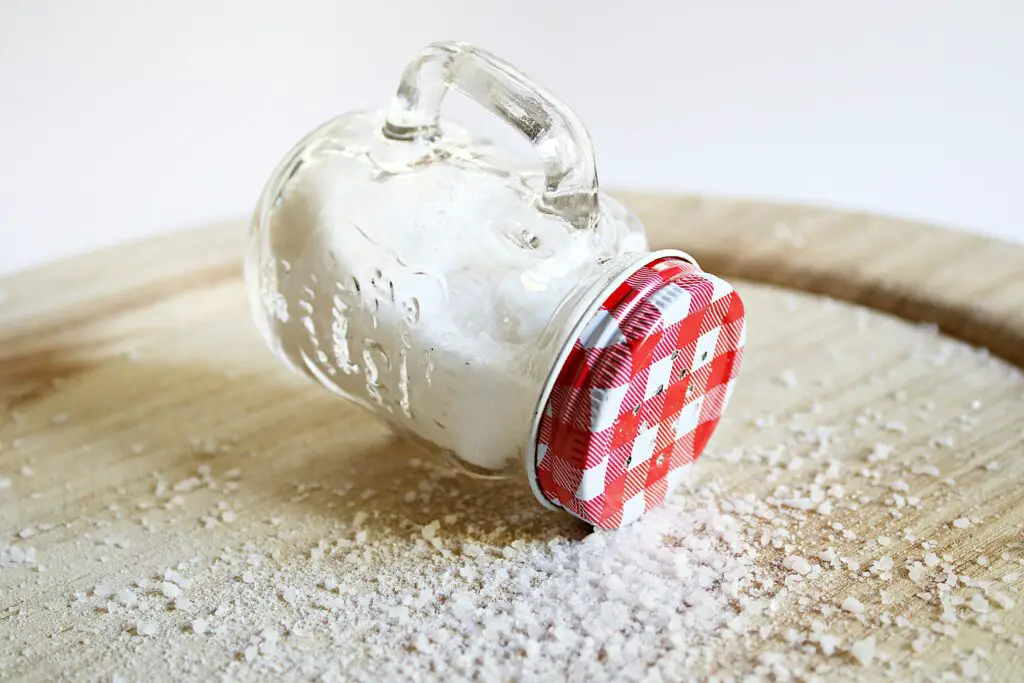
Repellent: Salt can also act as a repellent for ants. If a line of salt is placed along the path that ants are using to enter a building or home, it can discourage them from crossing it. This is because ants are sensitive to the taste and texture of salt and may find it unpleasant or difficult to cross. In this case, salt doesn’t necessarily harm the ants, but simply deters them from entering a particular area.
Disruption of scent trails: Ants communicate with each other through chemical signals or pheromones, which they use to mark trails and navigate their environment. Salt can interfere with these scent trails, making it difficult for ants to find their way. If a salt solution is sprayed on an ant trail, for example, it can disrupt the pheromones and cause confusion among the ants. This can be an effective way to disrupt ant colonies and prevent them from coming back to the same area.
Toxicity: While salt is generally safe for humans, it can be toxic to ants in high doses. If ants consume large amounts of salt, it can disrupt their internal balance of ions and cause them to die. However, this is not a common method of ant control, as it requires a large amount of salt and is not very effective compared to other methods.
Ant behavior changes: Studies have shown that exposure to salt can change the behavior of ants. For example, some species of ants may become more aggressive or more likely to forage for food when exposed to salt. This can be beneficial for researchers studying ant behavior, but is not particularly useful for controlling ants in the home or garden.
In conclusion, salt can have a range of effects on ants depending on the method of application and the amount used. While it can be an effective deterrent or disruptor of ant behavior, it is not always the most practical or humane solution to ant infestations. In general, it is best to use non-toxic and environmentally-friendly methods of pest control whenever possible.