Sperm is a key component of the male reproductive system, and the characteristics of the sperm can provide valuable insights into overall reproductive health. Thick sperm, also known as high viscosity semen or semen with high semen viscosity, refers to semen that has a higher than normal consistency or thickness. In this article, we will explore what thick sperm means, what causes it, and what it can indicate about male fertility.
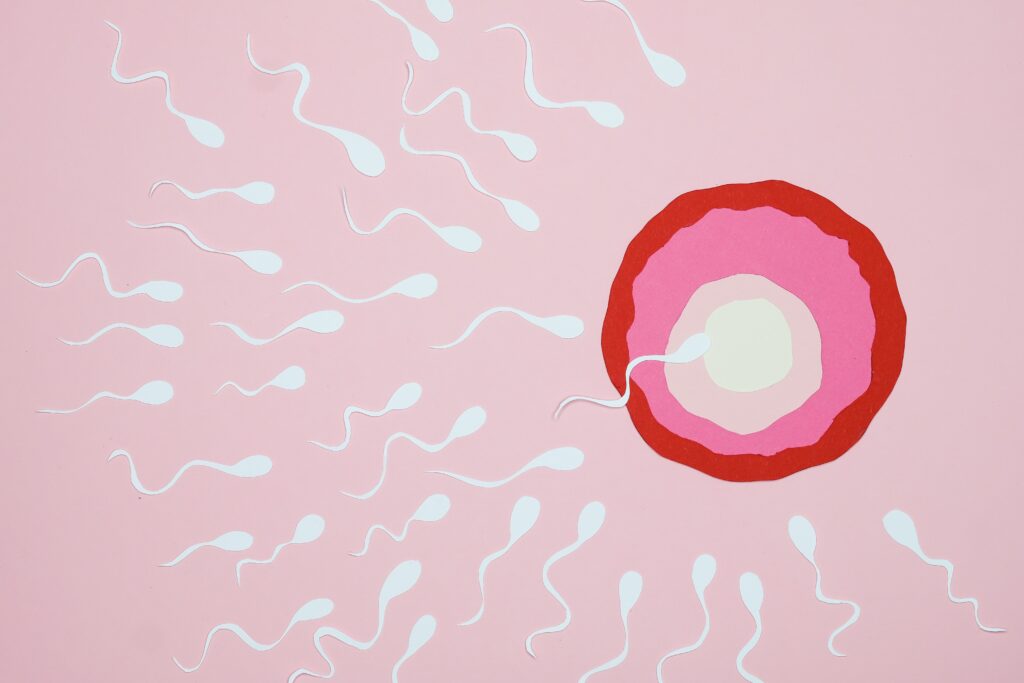
What is thick sperm?
Semen is made up of several different components, including sperm, fluid from the seminal vesicles, prostate gland, and bulbourethral gland, and mucus from the urethral glands. Semen viscosity is determined by the consistency of these components and the amount of fluid produced by the various glands.
Thick sperm, also called high viscosity semen, refers to semen that has a higher than normal consistency or thickness. Normally, semen is a thin, white or grey fluid with a consistency similar to that of raw egg whites. Thick sperm, on the other hand, can have a sticky, clumpy, or even gel-like texture.
What causes thick sperm?
Several factors can contribute to thick sperm. Some of the most common causes include:
Dehydration: Dehydration can cause semen to become thicker and more viscous. This is because semen is made up of a significant amount of water, and if the body is dehydrated, there may not be enough fluid to properly dilute the semen.
Infections: Infections in the reproductive tract, such as prostatitis or epididymitis, can cause semen to become thicker and more viscous. This is because the immune system may produce more white blood cells and other components that can thicken the semen.
Medications: Certain medications, such as antidepressants, can cause semen to become thicker and more viscous. This is because they can affect the amount and consistency of the fluid produced by the seminal vesicles and prostate gland.
Age: As men age, the amount of fluid produced by the various glands in the reproductive system may decrease, which can lead to thicker, more viscous semen.
Low testosterone: Testosterone is essential for the production of semen, and low levels of testosterone can cause semen to become thicker and more viscous.
What does thick sperm mean for male fertility?
Thick sperm can have implications for male fertility. While thick sperm does not necessarily mean that a man is infertile, it can make it more difficult for sperm to travel through the female reproductive system and fertilize an egg. Thick sperm can also make it more difficult to obtain a semen sample for fertility testing, as the semen may not flow easily out of the penis during ejaculation.
In some cases, thick sperm may be a sign of an underlying medical condition that can affect fertility. For example, infections in the reproductive tract can cause inflammation and scarring that can block the passage of sperm. Low testosterone levels can also affect sperm production and quality.
If a man is experiencing thick sperm or other changes in semen consistency, it is important to consult a healthcare provider. A healthcare provider can perform a physical exam, order diagnostic tests, and recommend treatments to address any underlying medical conditions.
How is thick sperm treated?
The treatment for thick sperm will depend on the underlying cause. In cases where dehydration is the cause, drinking more water and staying hydrated may be enough to improve semen consistency. In cases where infections are the cause, antibiotics may be prescribed to clear the infection.
In cases where thick sperm is caused by low testosterone levels, testosterone replacement therapy may be recommended. Testosterone replacement therapy can help to restore normal sperm production and improve semen consistency.
In some cases, lifestyle changes may also be recommended to improve semen consistency. For example, quitting smoking, reducing alcohol intake, and maintaining a healthy weight can help to improve overall reproductive health.
In cases where thick sperm is causing fertility issues, there are several fertility treatments that can help. For example, intrauterine insemination (IUI) can be used to bypass the cervix and deposit sperm directly into the uterus, making it easier for the sperm to reach and fertilize an egg. In vitro fertilization (IVF) is another option, which involves fertilizing an egg in a laboratory and then transferring the resulting embryo to the uterus.
Can thick sperm be prevented?
While it may not be possible to prevent all cases of thick sperm, there are several steps that men can take to promote overall reproductive health and reduce the risk of fertility issues. Some of these steps include:
Staying hydrated: Drinking plenty of water and staying hydrated can help to ensure that semen has a normal consistency.
Maintaining a healthy lifestyle: Quitting smoking, reducing alcohol intake, and maintaining a healthy weight can help to improve overall reproductive health.
Practicing safe sex: Using condoms and practicing safe sex can help to reduce the risk of sexually transmitted infections that can cause inflammation and scarring in the reproductive tract.
Seeking medical treatment: If a man is experiencing changes in semen consistency or other symptoms related to the reproductive system, it is important to seek medical treatment as soon as possible. Early diagnosis and treatment can help to prevent complications and improve outcomes.
Conclusion
Thick sperm, also known as high viscosity semen, refers to semen that has a higher than normal consistency or thickness. While it may not necessarily indicate infertility, thick sperm can make it more difficult for sperm to travel through the female reproductive system and fertilize an egg. Thick sperm can have a variety of causes, including dehydration, infections, medications, age, and low testosterone levels. Treatment for thick sperm will depend on the underlying cause, and may involve lifestyle changes, medications, or fertility treatments. By taking steps to promote overall reproductive health and seeking medical treatment for any symptoms or concerns, men can help to reduce the risk of fertility issues and ensure optimal reproductive function.