In the military, turning green is often used to describe the transition from a civilian to a soldier, specifically referring to the process of basic training. This period of time, which can last anywhere from 8-16 weeks, is designed to turn ordinary civilians into disciplined, physically fit, and mentally tough soldiers.
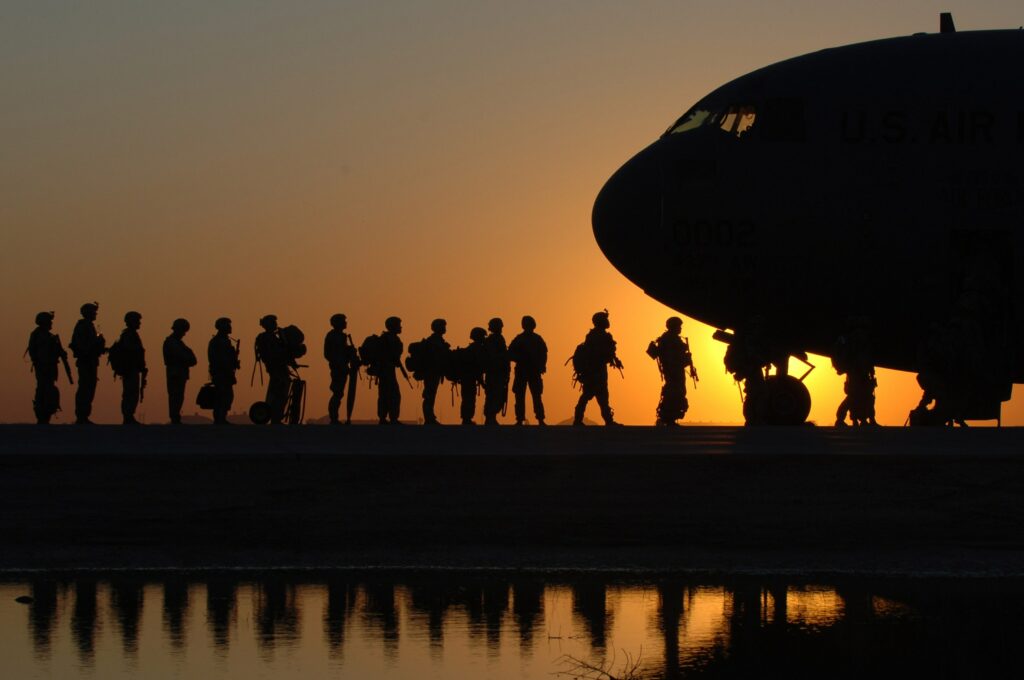
The color green is often used to represent the military, particularly in reference to their uniforms. It’s also used to symbolize growth, as soldiers are expected to grow and develop during their time in the military. Turning green, therefore, can be seen as the culmination of this process, as soldiers emerge from basic training as fully-fledged members of the military.
During basic training, soldiers are subjected to a rigorous training regimen that is designed to push them to their physical and mental limits. They are required to wake up early in the morning and complete a series of physical exercises, including running, push-ups, and sit-ups. They are also taught how to properly use weapons and are expected to become proficient in their use. Additionally, soldiers are trained in the basics of military tactics and are taught how to work as a team.
One of the most significant aspects of basic training is the emphasis on discipline. Soldiers are expected to follow orders without question and to maintain a high level of personal hygiene and appearance. They are also taught to maintain a positive attitude even in the face of adversity. This emphasis on discipline is intended to prepare soldiers for the stresses of military life, where they may be called upon to make difficult decisions under pressure.
Turning green in the military also has cultural connotations. The military has its own set of traditions, customs, and values, and new soldiers are expected to learn and adhere to them. This can include everything from the way they address their superiors to the way they eat their meals. Turning green, therefore, is not just about completing basic training, but about embracing a new way of life and becoming a part of a larger community.
Beyond basic training, turning green can also refer to the moment when soldiers are deployed to their first combat zone. This can be a particularly challenging time for soldiers, as they are often faced with life-threatening situations and must learn to adapt to a completely new environment. Turning green in this context, therefore, can represent a soldier’s transformation from a civilian to a combat veteran.
In summary, turning green in the military refers to the process of becoming a soldier. It encompasses the physical and mental challenges of basic training, as well as the cultural and communal aspects of military life. Turning green is a significant milestone for soldiers, as it represents their transformation from civilian to military member, and is a testament to their hard work, dedication, and commitment to their country.