Undercooked turkey can have several visual cues that indicate it is not fully cooked. Properly cooking turkey is essential to ensure food safety and prevent foodborne illnesses caused by bacteria such as Salmonella and Campylobacter. Here are some signs that may indicate that a turkey is undercooked.
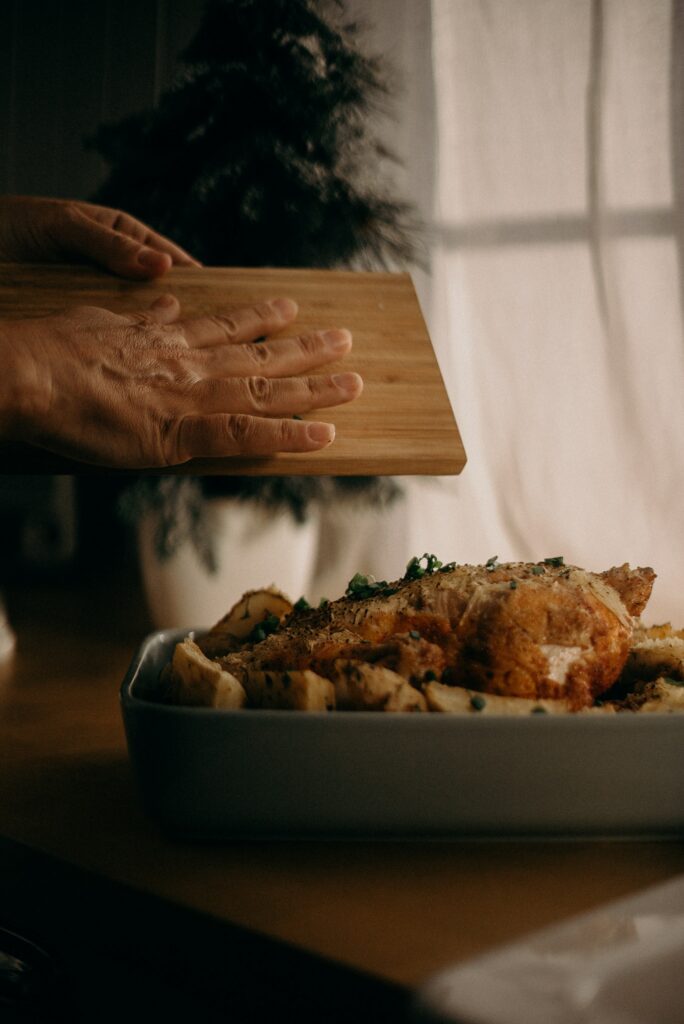
- Pinkish color: When turkey is cooked to a safe internal temperature, it should not have any pinkish color. If you notice pinkish or reddish hues in the meat, especially in the thickest parts such as the thigh and breast, it may indicate that the turkey is undercooked. Undercooked turkey can pose a risk of bacterial contamination, and it is crucial to continue cooking until the meat reaches the appropriate temperature.
- Oozing juices: Another sign of undercooked turkey is when you cut into the meat, and you notice oozing juices. The juices should run clear when the turkey is properly cooked. If the juices are pinkish or have a cloudy appearance, it may suggest that the turkey is not fully cooked, and further cooking is required.
- Soft texture: Undercooked turkey may have a soft, mushy texture, especially in the middle part of the meat. Properly cooked turkey should have a firm texture, and the meat should easily pull away from the bone. If you notice that the meat is still soft and not fully cooked, it may indicate that the turkey needs more time to cook thoroughly.
- Uncooked or rare areas: When you cut into the thickest part of the turkey, such as the breast or thigh, and you see areas that are uncooked or rare, it is a clear indication that the turkey is not fully cooked. Properly cooked turkey should have a consistent color throughout the meat, with no areas that appear uncooked or rare.
- Raw or rubbery skin: The skin of a cooked turkey should be crispy and golden brown, and it should easily separate from the meat. If the skin appears raw, rubbery, or has a slimy texture, it may suggest that the turkey is undercooked. Cooking the turkey for a longer period of time can help to achieve the desired crispy texture of the skin.
- Thermometer reading below the safe internal temperature: Using a meat thermometer is the most reliable way to determine if a turkey is cooked to a safe internal temperature. The safe internal temperature for a whole turkey is 165°F (73.9°C) in the thickest part of the thigh and breast. If the thermometer reading is below this temperature, it indicates that the turkey is undercooked and requires additional cooking to reach a safe temperature.
- Blood or pinkish liquid in the cavity: When you check the cavity of the turkey, and you notice blood or pinkish liquid, it is a clear indication that the turkey is not fully cooked. The cavity of the turkey should be free of any blood or pinkish liquid, and the meat should be cooked all the way through to ensure food safety.
It is important to note that undercooked turkey can pose a risk of foodborne illness, especially for vulnerable populations such as young children, pregnant women, elderly individuals, and those with weakened immune systems. Consuming undercooked turkey can lead to symptoms such as nausea, vomiting, diarrhea, abdominal cramps, and fever, which can be severe in some cases. To ensure the safety of consuming turkey, it is crucial to cook it thoroughly to the appropriate internal temperature.
To properly cook a turkey, follow these guidelines:
- Use a meat thermometer: A meat thermometer is the most reliable tool to determine if a turkey is cooked to a safe internal temperature. Insert the thermometer into the thickest part of the thigh and breast without touching the bone, and ensure it reaches a temperature of 165°F (73.9°C).