“Watch your six” is a common phrase used in police and military communication to indicate that a person needs to be aware of what is behind them. In police talk, “watch your six” means to be alert and vigilant about potential threats that may be coming from behind.
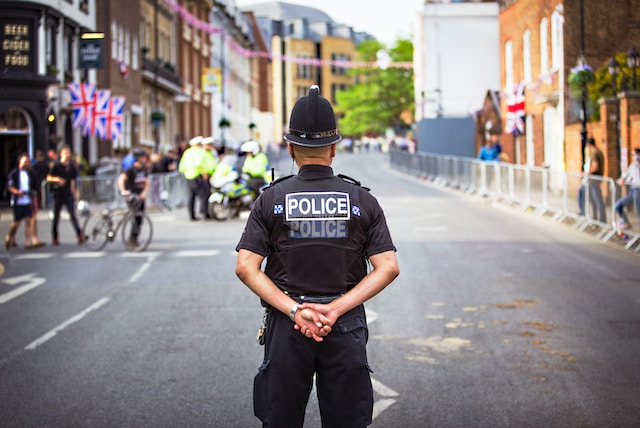
The term “six” refers to the area directly behind a person, typically the six o’clock position on a clock face. This is an area that is difficult to see, especially when a person is focused on other tasks or situations, and can be a vulnerable spot if someone is trying to sneak up or ambush them.
In police work, officers are trained to always be aware of their surroundings and to keep an eye on potential threats, even those that may be behind them. This is particularly important in situations where officers are working in close proximity to other people, such as during an arrest or while conducting a search. By watching their six, officers can be better prepared to respond to any threats that may arise.
There are several ways in which officers can watch their six. One of the most common is to use mirrors or other reflective surfaces to keep an eye on what is happening behind them. This can include using the side mirrors on a patrol car or using mirrors attached to the body armor worn by officers.
Another way to watch one’s six is to stay aware of the environment and to constantly scan the area for potential threats. This involves being aware of any suspicious activity or individuals in the vicinity, as well as monitoring the movements of other officers and emergency personnel.
In addition to “watch your six,” there are several other common phrases used in police talk to convey important information and to maintain communication between officers. For example, “Code 4” is used to indicate that a situation is under control and that no further assistance is needed. “10-4” is used to acknowledge a message or request, while “Signal 100” is used to indicate that an officer needs immediate assistance.
Effective communication is crucial in police work, and officers must be able to quickly and accurately convey information to their colleagues in order to ensure everyone’s safety. This includes using clear and concise language, as well as using codes and other signals to communicate in situations where discretion or secrecy is required.
In conclusion, “watch your six” is a common phrase used in police talk to indicate that a person needs to be aware of what is behind them. This phrase is used to remind officers to be vigilant and alert to potential threats, especially those that may be coming from behind. There are several ways in which officers can watch their six, including using mirrors and staying aware of their surroundings. Effective communication is crucial in police work, and officers must be able to quickly and accurately convey information to their colleagues in order to ensure everyone’s safety.