Cheetahs are apex predators that are native to Africa and parts of Iran. As such, they are typically at the top of the food chain in their respective ecosystems. However, cheetahs are not invincible, and there are a number of other animals that may prey on them in certain situations. In this answer, I will explore what eats a cheetah and the different factors that may influence the likelihood of a cheetah being preyed upon.
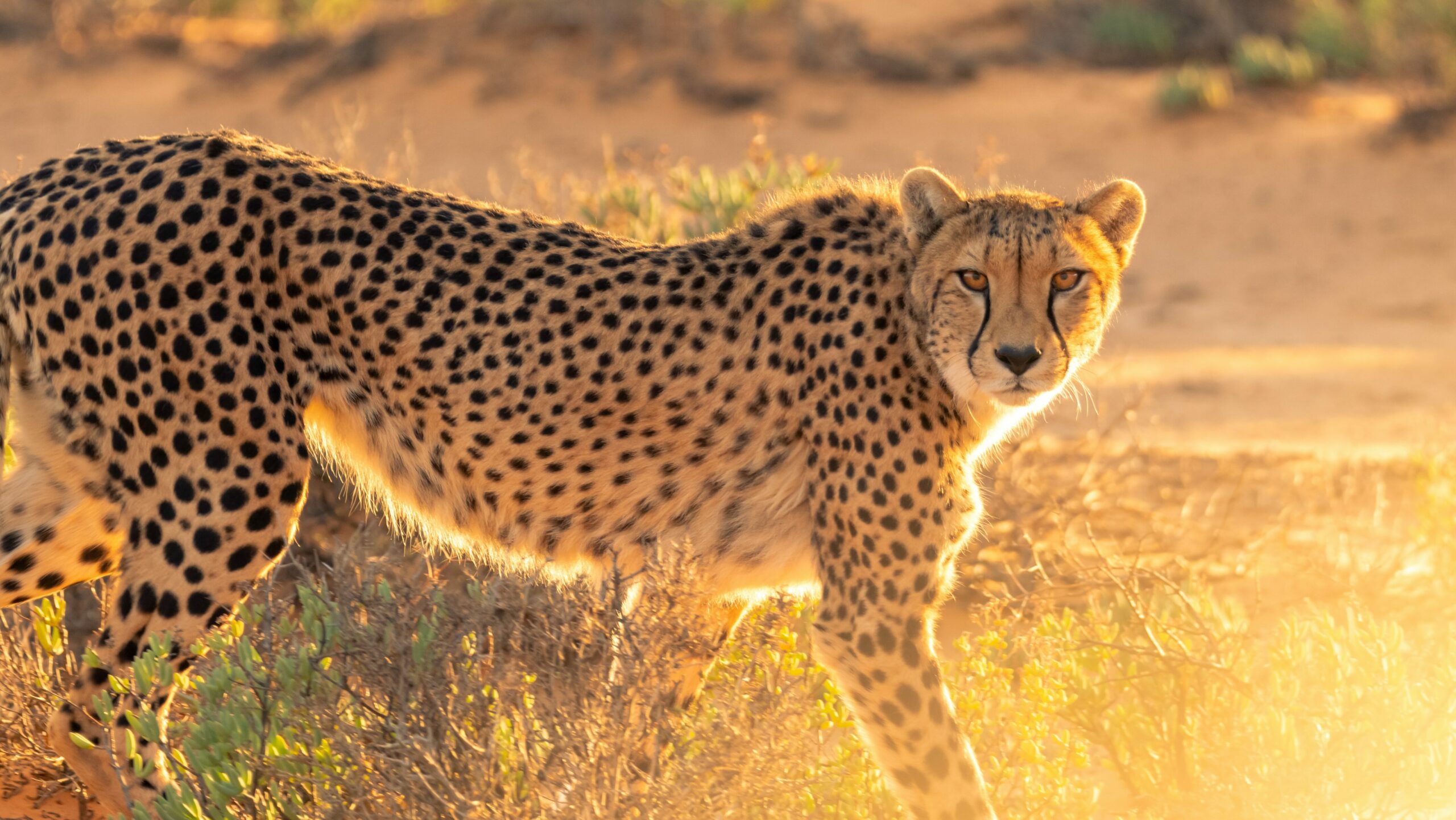
Natural Predators of Cheetahs
While cheetahs are apex predators, they do have natural enemies that may prey on them in certain situations. The most significant of these predators is the lion, which is a larger and more powerful predator than the cheetah. Lions are known to prey on cheetahs, particularly when food is scarce, and will often steal their kills. In fact, some studies have suggested that up to 10% of cheetah deaths in the wild are due to lion predation.
Other potential predators of cheetahs include leopards, hyenas, and African wild dogs. Leopards are also apex predators, and while they are smaller than lions, they are still powerful enough to take down a cheetah. Hyenas are also known to prey on cheetah cubs, particularly if they are left unattended by their mother. African wild dogs, which hunt in packs, may also pose a threat to cheetahs, particularly if they are able to isolate a lone cheetah.
Environmental Factors
The likelihood of a cheetah being preyed upon can be influenced by a number of environmental factors. For example, cheetahs are adapted to hunting in open savannahs and grasslands, where they can use their speed to catch prey. In more wooded or forested areas, cheetahs may be at a disadvantage, as their speed and agility may be hampered by the terrain.
Similarly, cheetahs may be more vulnerable to predation during periods of drought or other environmental stress. During these times, prey may be scarce, which can make it more difficult for cheetahs to find food. This can also make cheetahs more vulnerable to other predators that are competing for the same resources.
Human Impact
Finally, it is worth noting that humans can also have a significant impact on the likelihood of cheetahs being preyed upon. Habitat loss and fragmentation, as well as hunting and poaching, can all reduce the number of cheetahs in a given area. This can have a number of knock-on effects, including making cheetahs more vulnerable to predation. For example, if there are fewer cheetahs in a given area, this may make it easier for lions or other predators to outcompete them for food.
Additionally, human activities such as livestock farming can also bring cheetahs into conflict with humans, which can increase their risk of predation. For example, cheetahs may prey on livestock such as sheep or goats, which can lead to retaliation from farmers who may kill or capture the cheetahs.
Conclusion
In conclusion, while cheetahs are apex predators, they are not invincible and may be preyed upon by other animals in certain situations. Lions are the most significant natural predator of cheetahs, but other animals such as leopards, hyenas, and African wild dogs may also pose a threat. Environmental factors such as terrain and resource availability can also influence the likelihood of cheetahs being preyed upon. Finally, human impact can have a significant impact on cheetah populations, which can in turn influence their vulnerability to predation.