Wolf spiders are large, solitary spiders that are found in many parts of the world. They are known for their speed and hunting abilities, but like all creatures, they are not at the top of the food chain. Many predators, including other animals and insects, consider wolf spiders as a potential food source. Let’s take a closer look at some of the common predators of wolf spiders.
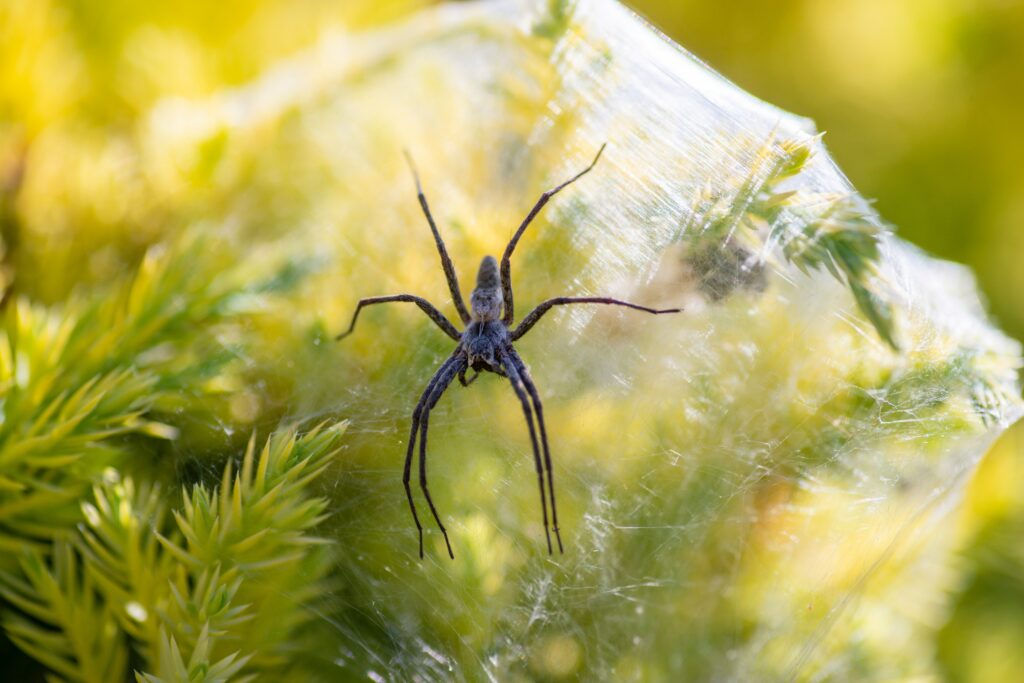
- Birds: Several bird species are known to prey on wolf spiders. Birds such as owls, hawks, and shrikes are skilled hunters that can spot a wolf spider from the air or while perched on a tree or other elevated location. Once they spot a wolf spider, they swoop down and grab it with their sharp talons before flying away with their prey. Wolf spiders are a part of the diet of many bird species. Especially those that feed on insects and other small animals.
- Other Spiders: While wolf spiders are skilled predators themselves, they are not immune to predation by other spiders. Many larger spider species, including some species of jumping spiders and tarantulas, may consider a wolf spider as a potential food source. These spiders may use their agility or venom to catch and kill a wolf spider. Some species of web-building spiders may also catch a wolf spider in their web, where they can then immobilize and consume it.
- Insects: Wolf spiders primarily prey on insects themselves. But there are some insects that can prey on wolf spiders in turn. For example, certain species of wasps, such as the spider wasps, are known to hunt and kill wolf spiders. Female spider wasps sting and paralyze a wolf spider, then lay their eggs on the spider’s body. Once the wasp larvae hatch, they feed on the paralyzed spider, ultimately killing it.
- Small Mammals: Some small mammals, such as shrews, mice, and rodents, may also prey on wolf spiders. These mammals may encounter wolf spiders while foraging for food on the ground, and a wolf spider may become a potential prey item. Small mammals may use their sharp teeth and claws to catch and kill a wolf spider before consuming it.
- Amphibians and Reptiles: Certain species of amphibians and reptiles are known to eat wolf spiders. For example, some species of frogs, toads, and lizards may prey on wolf spiders. These predators may ambush a wolf spider or actively search for them in their habitats, such as in leaf litter or under rocks. Once they catch a wolf spider, they use their specialized feeding mechanisms, such as their sticky tongues or sharp teeth, to consume the spider.
- Humans: While not a natural predator of wolf spiders, humans can inadvertently kill or eat wolf spiders. For example, in some cultures, wolf spiders are consumed as food or used in traditional medicines. Additionally, accidental death of wolf spiders can occur when humans use pesticides or other chemicals to control pests in their homes or gardens. It’s important to note that using pesticides or other chemicals should always be done responsibly and following appropriate guidelines to minimize harm to non-target species.
In conclusion, despite being skilled hunters themselves, wolf spiders are not immune to predation. They have several natural predators, including birds, other spiders, insects, small mammals, amphibians, and reptiles. Additionally, humans can unintentionally harm or kill wolf spiders. As with any species, maintaining a healthy balance in ecosystems is important. Understanding the natural predators of wolf spiders helps us appreciate their place in the food chain and the role they play in their respective habitats.