The length of time it takes for food to digest can vary depending on a number of factors, including the type of food, individual metabolism, and overall health. However, there are some foods that are known to take longer to digest than others, often due to their high fiber or fat content.
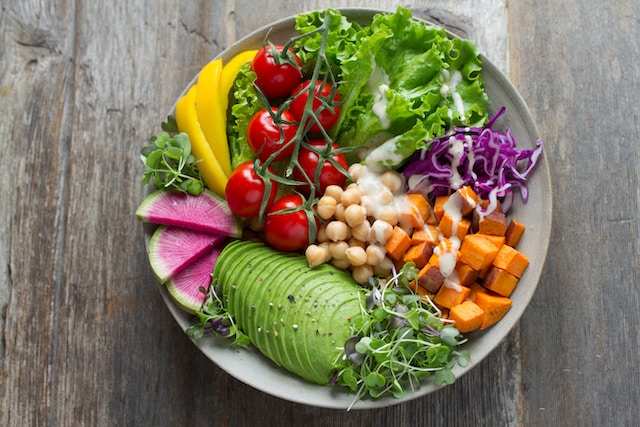
One food that is known to take a long time to digest is red meat. Red meat is high in protein and fat, both of which take longer to break down and digest than carbohydrates. This means that the body has to work harder and longer to digest red meat, which can lead to feelings of fullness and discomfort. Some studies have even suggested that consuming large amounts of red meat on a regular basis may increase the risk of digestive problems and colon cancer.
Another food that takes a long time to digest is high-fiber vegetables. Vegetables such as broccoli, cauliflower, and brussels sprouts are high in fiber, which is important for digestive health. However, this fiber can also slow down the digestive process, leading to feelings of fullness and bloating. It is important to note that while high-fiber vegetables may take longer to digest, they are still an important part of a healthy diet and can provide a range of important nutrients and health benefits.
Whole grains are another food that can take a long time to digest. Unlike refined grains, which have had their fiber and nutrients removed, whole grains contain the entire grain kernel, including the bran, germ, and endosperm. This means that they are higher in fiber and take longer to digest than refined grains. Eating whole grains can help to regulate blood sugar, improve heart health, and promote digestive health.
Foods that are high in fat, such as cheese and nuts, can also take a long time to digest. Fat is an important nutrient that provides energy and helps to absorb certain vitamins, but it can also slow down the digestive process. This is because fat is broken down and absorbed more slowly than carbohydrates or protein. Eating foods that are high in fat can also lead to feelings of fullness and satiety, which can be helpful for weight management.
Finally, some fruits, such as apples and pears, are known to take a long time to digest. This is because they are high in soluble fiber, which absorbs water and forms a gel-like substance in the digestive tract. This gel-like substance slows down the movement of food through the digestive system, leading to a slower digestion process. However, the soluble fiber found in fruits can also provide important health benefits, such as lowering cholesterol levels and improving gut health.
It is important to note that while some foods may take longer to digest than others, there is no one-size-fits-all answer to how long it takes for food to digest. The length of time it takes for food to digest can vary depending on a number of factors, including individual metabolism, overall health, and the specific combination of foods that are consumed.
In general, a balanced diet that includes a variety of whole foods is the best way to promote healthy digestion. Eating a diet that is high in fiber, healthy fats, and lean protein can help to support healthy digestion and promote overall health and wellness. It is also important to drink plenty of water and engage in regular physical activity, as these habits can also support healthy digestion.