When it comes to digestive health, it is important to maintain a healthy balance of fiber and water in your diet to avoid constipation and hard stools. However, some foods can contribute to harder stools and should be consumed in moderation or avoided altogether.
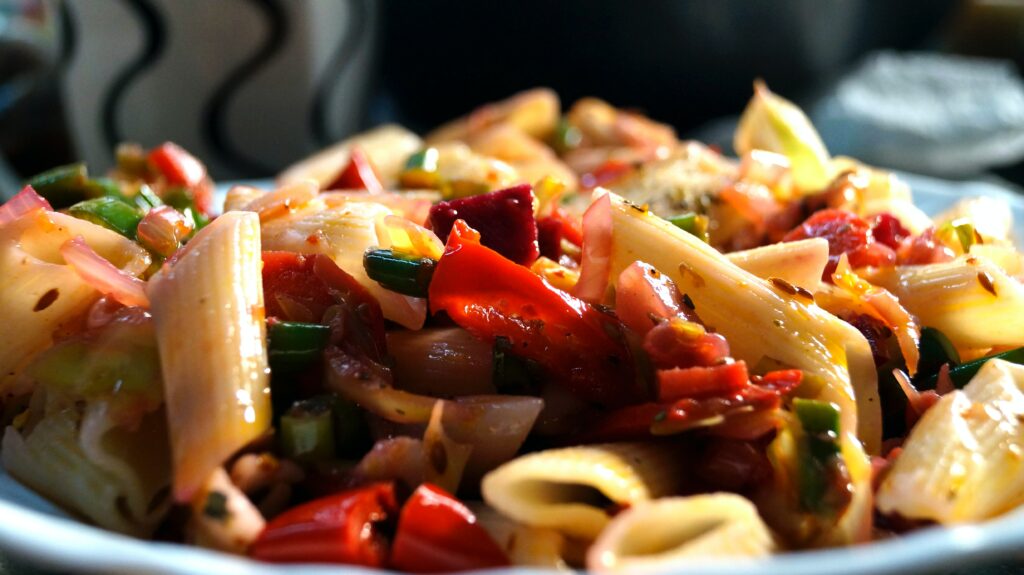
Here are some of the foods that can contribute to hardening of stools:
- Low-fiber foods: Foods that are low in fiber can contribute to constipation and hard stools. Examples include white bread, white rice, and processed foods that have been stripped of their fiber content.
- Red meat: Consuming too much red meat can lead to hard stools due to its low fiber content and high protein content, which can be difficult to digest.
- Dairy products: Some people may be lactose intolerant, which can lead to constipation and hard stools. In addition, some dairy products such as cheese and ice cream are low in fiber and can contribute to digestive issues.
- Fried and fatty foods: Foods that are high in fat and fried can be difficult to digest, leading to constipation and hard stools.
- Bananas: While bananas are generally considered a healthy food, consuming too many can lead to hard stools due to their high starch content.
- Processed foods: Processed foods such as chips, crackers, and other snack foods are often low in fiber and can contribute to digestive issues.
- Alcohol: Alcohol can be dehydrating, which can lead to constipation and hard stools. In addition, alcohol can disrupt the balance of healthy bacteria in the gut, leading to digestive issues.
In conclusion, consuming a diet that is high in fiber and water is important for maintaining digestive health and preventing constipation and hard stools. Foods that are low in fiber or high in fat and processed ingredients should be consumed in moderation or avoided altogether. If you are experiencing digestive issues, it is important to speak with a healthcare professional to determine the underlying cause and develop a treatment plan.