Blood is a vital component of the human body, responsible for transporting oxygen, nutrients, hormones, and other essential substances throughout the body. The thickness or viscosity of blood plays a crucial role in its ability to circulate efficiently and deliver these substances to the cells and organs that need them.
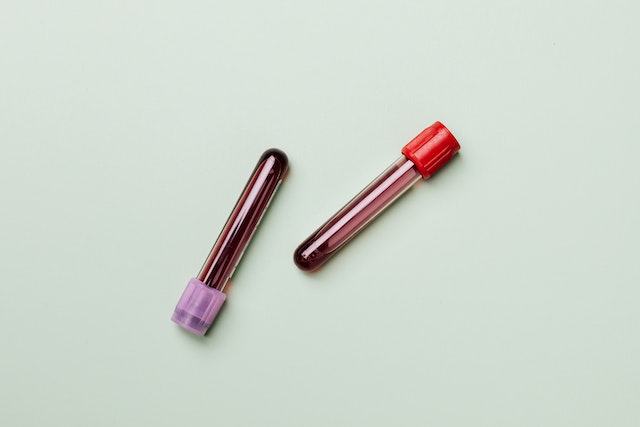
Certain foods are known to increase the thickness or viscosity of blood, which can increase the risk of blood clots and other serious health problems. In this article, we will discuss some of the foods that can thicken your blood and how to avoid them.
- Red meat
Red meat, such as beef and lamb, is high in saturated fats, which can increase the levels of cholesterol and triglycerides in the blood. High levels of these substances can make the blood thicker and more prone to clotting, increasing the risk of heart disease, stroke, and other health problems.
If you are a meat lover, you can still enjoy red meat in moderation. Choose lean cuts of meat and trim off any visible fat. Instead of frying or grilling, try roasting or broiling your meat to reduce the amount of saturated fat.
- Dairy products
Dairy products, such as cheese, butter, and whole milk, are high in saturated fat and cholesterol. Similar to red meat, consuming too much dairy can raise the levels of cholesterol and triglycerides in the blood, increasing the risk of blood clots and other health problems.
If you are looking to reduce your intake of dairy, you can try switching to low-fat or non-fat versions of your favorite products. You can also try plant-based alternatives, such as almond milk, soy milk, or tofu.
- Fried foods
Fried foods, such as french fries, fried chicken, and onion rings, are high in trans fats, which are known to increase the levels of bad cholesterol (LDL) in the blood. Consuming too much trans fat can make the blood thicker and more prone to clotting, increasing the risk of heart disease and stroke.
If you want to enjoy fried foods, try baking or air frying them instead of deep-frying. You can also opt for healthier alternatives, such as roasted vegetables or grilled chicken.
- Processed foods
Processed foods, such as packaged snacks, frozen meals, and fast food, are often high in sodium, sugar, and unhealthy fats. Consuming too much of these substances can increase the levels of cholesterol and triglycerides in the blood, making it thicker and more prone to clotting.
To reduce your intake of processed foods, try cooking at home more often and preparing meals from scratch. Use fresh ingredients, such as fruits, vegetables, whole grains, and lean proteins, to make healthy and nutritious meals.
- Alcohol
Alcohol can have a number of negative effects on the body, including increasing the viscosity of the blood. Consuming too much alcohol can also damage the liver, which is responsible for producing the proteins that help the blood clot.
If you choose to drink alcohol, do so in moderation. The American Heart Association recommends no more than one drink per day for women and no more than two drinks per day for men.
- Vitamin K-rich foods
Vitamin K is an essential nutrient that helps the blood clot properly. While consuming vitamin K-rich foods is generally considered healthy, consuming too much of them can interfere with certain medications, such as blood thinners.
Foods that are high in vitamin K include leafy green vegetables, such as spinach, kale, and collard greens, as well as broccoli, Brussels sprouts, and asparagus. If you are taking blood-thinning medication, talk to your doctor about how much vitamin K you should consume.