The phrase “fruits that eat you back” is often used colloquially to refer to fruits that have certain properties. Effects on the human body that may cause discomfort, irritation, or other reactions. In this context, I can provide information on fruits that are known to have such properties. Please note that individual reactions to fruits may vary. It is always important to consult with a healthcare professional if you have specific concerns or medical conditions.
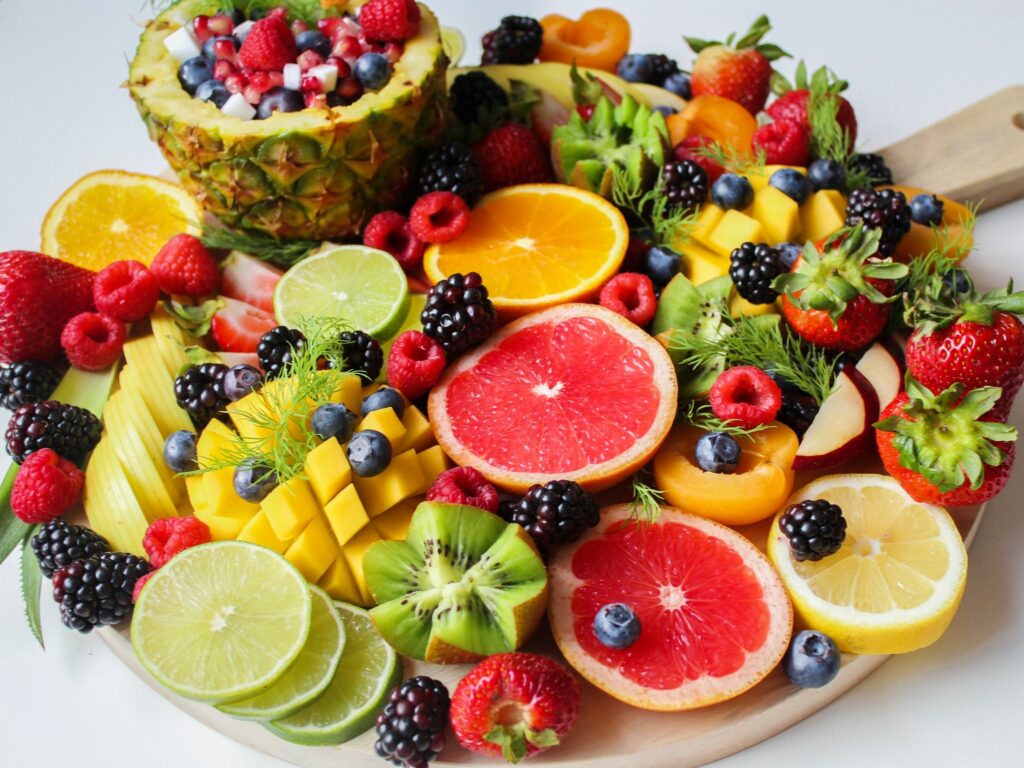
- Pineapple: Pineapple is a tropical fruit known for its sweet taste and high vitamin C content. However, it also contains an enzyme called bromelain, which can cause irritation and soreness in the mouth, tongue, and lips in some individuals. Bromelain can also cause digestive discomfort or allergic reactions in rare cases.
- Kiwi: Kiwi, also known as Chinese gooseberry, is a fuzzy brown fruit with a sweet and tangy taste. It is rich in vitamin C, fiber, and antioxidants. However, some people may experience oral irritation after consuming kiwi, which may present as itching, tingling, or swelling in the mouth, tongue, or lips. This reaction is known as oral allergy syndrome and is more common in individuals with pollen allergies.
- Citrus fruits: Citrus fruits such as oranges, grapefruits, lemons, and limes are packed with vitamin C and are known for their tangy flavor. However, their high acidity can cause discomfort in people with sensitive stomachs or acid reflux. Overconsumption of citrus fruits can also lead to mouth sores or skin rashes in some individuals.
- Mango: Mango is a juicy tropical fruit that is rich in vitamins A and C, fiber, and antioxidants. However, some people may experience oral allergy symptoms after consuming mango, such as itching or tingling in the mouth, lips, or throat. This reaction is usually mild and short-lived but can be a concern for individuals with known mango allergies.
- Passion fruit: Passion fruit is a tropical fruit with a distinctive tart and tangy flavor. It is a good source of vitamins A and C, fiber, and antioxidants. However, the seeds and pulp of passion fruit can be irritating to the mouth and throat, causing discomfort or allergic reactions in some individuals.
- Papaya: Papaya is a tropical fruit known for its sweet taste and vibrant color. It is a good source of vitamins A and C, fiber, and antioxidants. However, papaya contains an enzyme called papain, which can cause mouth sores, skin rashes, or digestive discomfort in some individuals, especially when consumed in excessive amounts or in an unripe state.
- Tomato: While commonly classified as a vegetable, tomato is technically a fruit. Tomatoes are a rich source of vitamins A and C, antioxidants, and lycopene. However, some people may experience oral irritation, especially in the form of mouth sores, after consuming tomatoes. This reaction is more common in individuals with sensitivity to acidic foods.
- Lychee: Lychee is a tropical fruit with a sweet and fragrant taste. It is a good source of vitamin C and antioxidants. However, lychee contains compounds that can cause hypoglycemia (low blood sugar) in some individuals, particularly in children or those with glucose-6-phosphate dehydrogenase (G6PD) deficiency. Consumption of lychee on an empty stomach or in excessive amounts has been associated with a condition called “Lychee Disease” or “Acute Encephalopathy Syndrome,” which can cause symptoms such as fever, seizures, and altered mental status.
What fruits eat you back?