If you encounter a goose in the wild or in a domestic setting. It’s important to be cautious as geese are known to be protective of their territory and can become aggressive, especially during their breeding season. A goose bite may not seem like a serious threat at first. But it can potentially result in various consequences, ranging from mild to severe.
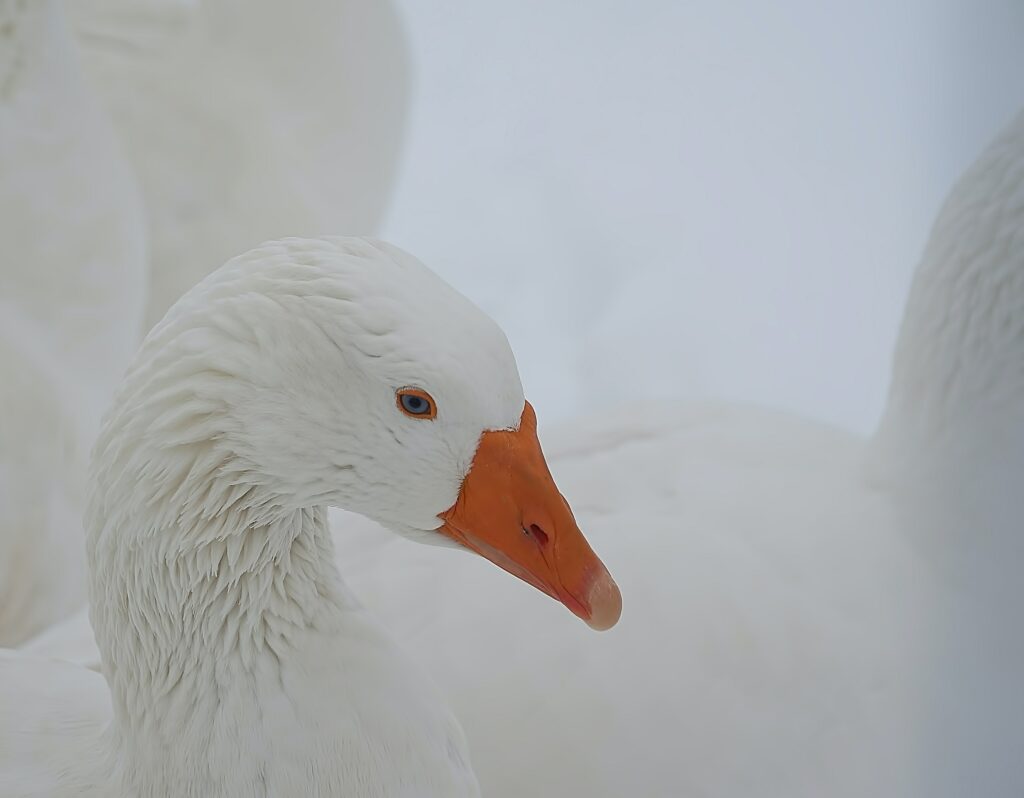
Geese have powerful bills with serrated edges that are designed to tear through vegetation. It can cause significant damage if used defensively or aggressively against human skin. When a goose bites, it may try to grab hold of the target with its bill and use its wings and feet to attack as well. The force of a goose bite can vary. But it can be quite painful and leave bruises, cuts, or puncture wounds on the skin.
One of the immediate effects of a goose bite is pain. The pressure exerted by a goose’s bill can cause discomfort and pain at the site of the bite. In some cases, the goose may bite repeatedly, causing multiple injuries and increasing the overall severity of the situation. Pain from a goose bite may last for several hours or even days, depending on the severity of the bite.
Another potential consequence of a goose bite is the risk of infection. Geese often live in areas with water bodies, such as lakes, rivers, and ponds. Which can be contaminated with bacteria and other pathogens. If a goose bite breaks the skin, it can introduce these pathogens into the body, leading to infection. Common symptoms of an infected goose bite may include redness, swelling, warmth, and increased pain around the bite site. In severe cases, an infected goose bite can lead to cellulitis, an inflammation of the skin and underlying tissues, which may require medical treatment with antibiotics.
In addition to physical injuries and infection, a goose bite can also result in psychological effects. Being bitten by a goose can be a frightening experience, particularly for children or individuals. Who are afraid of birds or have had a traumatic encounter with a goose in the past. It can trigger anxiety, fear, and emotional distress. May even result in a fear of birds or outdoor spaces where geese are present. It’s important to recognize the psychological impact of a goose bite. Seek support if needed to cope with the emotional aftermath.
In rare cases, a goose bite can cause more serious injuries. Geese are strong birds and have the potential to cause fractures or dislocations. If they bite with enough force or if the victim falls during an attack. For example, if a person is knocked down by a goose and lands awkwardly, they may sustain injuries such as broken bones or sprains. Additionally, if a goose bites a person’s face or eyes, it can cause severe injuries to delicate areas and may require immediate medical attention to prevent long-term damage.
To minimize the risk of being bitten by a goose, it’s important to avoid provoking them. Geese are protective of their nests, eggs, and offspring, and may perceive humans as threats if they approach too closely or invade their territory. It’s best to keep a safe distance from geese, especially during their breeding season, which typically occurs in the spring and summer. If a goose exhibits aggressive behavior, such as hissing, flapping wings, or extending its neck, it’s a sign that it feels threatened and may be preparing to bite. In such situations, it’s important to back away slowly and avoid direct eye contact with the goose.
If you are bitten by a goose, it’s crucial to clean the wound thoroughly with soap and water to reduce the risk of infection. Applying an antiseptic ointment and covering the wound with a clean bandage can also help. If the bite is deep, bleeding excessively, or showing signs of infection, it’s recommended to seek medical attention promptly.