Receiving a fake 100 dollar bill can be a frustrating experience. Not only have you lost money, but you may also feel violated and taken advantage of. In this article, we will explore what happens when you receive a fake 100 dollar bill and what steps you can take to minimize the damage.
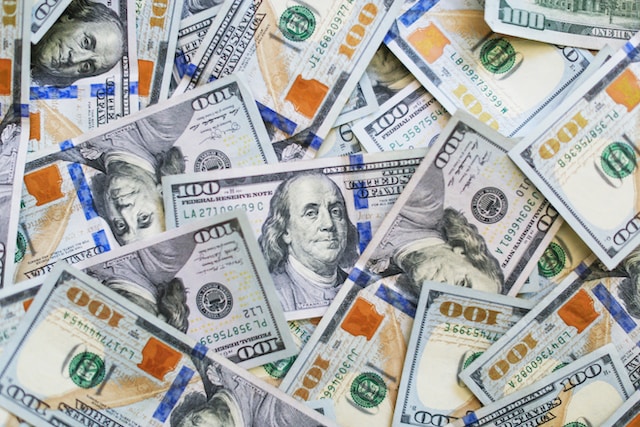
Firstly, it is important to understand what makes a bill fake. There are several security features on a genuine $100 bill that are difficult to replicate, such as a watermark, a security thread, and a color-shifting ink. Counterfeiters will try to mimic these features but may not be able to do so perfectly. Therefore, it is essential to check for these features when accepting a bill.
If you do receive a fake $100 bill, the first step is to contact the authorities. You should report the incident to the police and provide them with as much information as possible, such as where and when you received the bill and a description of the person who gave it to you. The police may be able to track down the counterfeiters and prevent them from victimizing others.
The next step is to contact your bank. Banks have the resources to verify whether a bill is genuine or fake. They may also be able to provide you with a replacement bill or refund your money. However, it is important to note that banks may require you to fill out a form or provide additional information to prove that you received a fake bill.
If you are unable to get a replacement bill or refund from your bank, you may need to absorb the loss. It is crucial to keep the fake bill as evidence, as it may be useful in any legal proceedings that may follow.
One thing to keep in mind is that knowingly passing a fake bill is a federal crime. Therefore, it is essential to ensure that you do not unknowingly pass on a counterfeit bill to someone else. If you are unsure whether a bill is genuine or fake, do not accept it or try to spend it.
Another important point to remember is that the value of a counterfeit bill is essentially zero. Therefore, if you do come across a fake bill, do not try to pass it on to someone else. Not only is this illegal, but it also puts others at risk of being defrauded.
To minimize the risk of receiving a fake bill, there are several steps you can take. Firstly, always check bills for security features before accepting them. These features are difficult to replicate, so counterfeiters will often try to avoid bills with them. Secondly, be wary of accepting large bills, especially if they are from someone you do not know or if the transaction seems suspicious. Lastly, if you are in doubt about the authenticity of a bill, you can use a counterfeit detection pen or take it to a bank for verification.
In conclusion, receiving a fake 100 dollar bill can be a frustrating experience. However, by taking the right steps, you can minimize the damage and prevent counterfeiters from victimizing others. Remember to report the incident to the police, contact your bank, and keep the fake bill as evidence. Additionally, be cautious when accepting bills and always check for security features to avoid receiving fake bills in the future.