Lake Mead is a reservoir located on the Colorado River, straddling the border between the states of Arizona and Nevada. It is the largest reservoir in the United States and is a major source of water for many communities in the region. However, due to climate change, drought, and increased demand for water, the water level in Lake Mead has been declining for several years. In this article, we’ll explore what could happen if Lake Mead were to dry up.
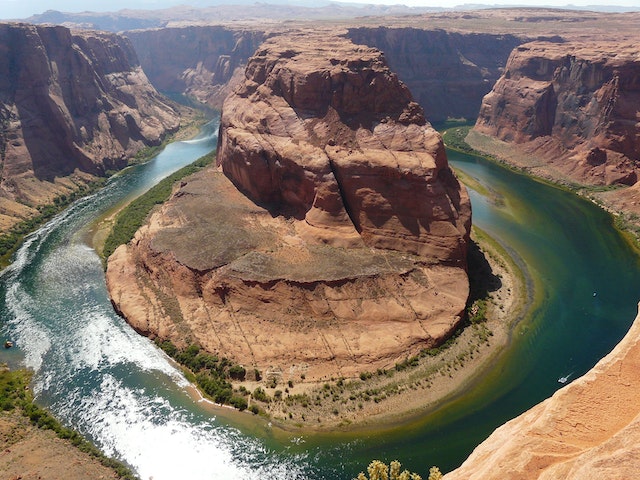
- Water shortages: The most immediate and obvious impact of Lake Mead drying up would be a severe water shortage in the region. The reservoir provides water to millions of people in cities such as Las Vegas, Phoenix, and Los Angeles, as well as to agricultural areas in California and Arizona. Without the reservoir, these communities would need to find alternative sources of water, which could be costly and difficult to obtain.
- Power generation: In addition to providing water, Lake Mead is also a major source of hydroelectric power. The Hoover Dam, which was built on the Colorado River to create the reservoir, generates electricity for millions of people in the region. If the water level in the reservoir were to drop too low, it could affect the dam’s ability to generate power, which could have economic and social impacts.
- Environmental impacts: The drying up of Lake Mead would have significant environmental impacts, particularly on the local ecosystem. The reservoir is home to many species of fish and wildlife, and the loss of water could lead to the extinction of some of these species. The area around the reservoir is also an important habitat for migratory birds, and the loss of water could affect their ability to find food and shelter.
- Economic impacts: The drying up of Lake Mead could have significant economic impacts on the region. The reservoir and surrounding areas are popular tourist destinations, and the loss of water could lead to a decline in tourism revenue. In addition, the agricultural industry in the region could be severely affected, as many farmers rely on the water from the reservoir to irrigate their crops.
- Social impacts: The drying up of Lake Mead could also have significant social impacts on the region. Many communities in the area rely on the reservoir for their water supply, and the loss of water could lead to conflicts over resources. In addition, the loss of hydroelectric power could lead to power outages and disruptions in daily life.
- Political impacts: The management of water resources in the region is a complex and politically charged issue. The drying up of Lake Mead could lead to increased tensions between states and between different sectors that rely on the water from the reservoir. It could also lead to increased pressure on policymakers to find alternative sources of water and to address the root causes of the water shortage.
In conclusion, the drying up of Lake Mead would have significant impacts on the region, including water shortages, power outages, environmental degradation, economic losses, social conflicts, and political tensions. While the situation is complex and there are no easy solutions, it is clear that action is needed to address the root causes of the water shortage, including climate change, drought, and increased demand for water. Solutions could include conservation efforts, alternative sources of water, and changes in the way water resources are managed in the region. It is critical that policymakers and communities work together to find solutions that can ensure a sustainable future for the region and its residents.