Shingles is a painful and potentially serious viral infection caused by the varicella-zoster virus, which is the same virus that causes chickenpox. The shingles vaccine, also known as the zoster vaccine, is an effective way to prevent shingles and its complications. The vaccine is given in two doses, with the second dose recommended 2 to 6 months after the first dose.
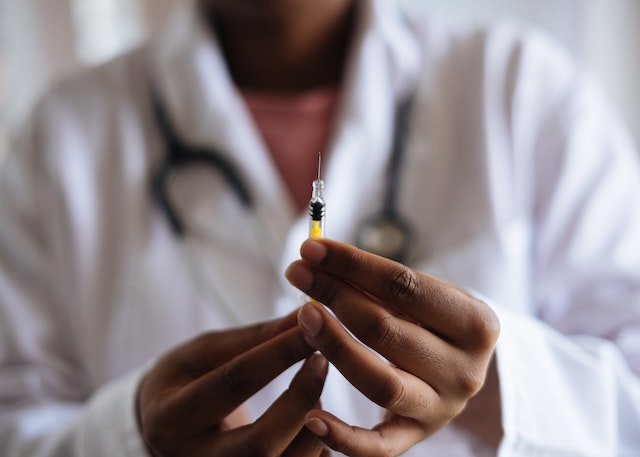
However, some people may wonder what would happen if they don’t take the second shingles shot. In this article, we will explore the potential consequences of not getting the second shingles shot.
Reduced effectiveness
The first dose of the shingles vaccine provides some level of protection against the virus. However, the second dose is necessary to ensure optimal protection against shingles. Studies have shown that the two-dose vaccine series is more effective than a single dose. The second dose is needed to boost the body’s immune response to the virus, which helps to ensure long-lasting protection against shingles.
Therefore, not getting the second shingles shot can reduce the effectiveness of the vaccine, leaving the individual at a higher risk of contracting shingles or experiencing more severe symptoms if they do get infected.
Increased risk of complications
Shingles can cause a range of complications, especially in older adults and individuals with weakened immune systems. These complications can be serious and may include postherpetic neuralgia (PHN), which is a persistent pain that can last for months or even years after the rash has healed. Other complications may include vision loss, hearing problems, pneumonia, and skin infections.
Without the optimal protection that comes with the second shingles shot, individuals who do contract shingles are at a higher risk of experiencing these complications. The risk of complications increases with age, and those who are over 60 years old are at a higher risk of developing PHN.
Lower herd immunity
Another reason why it is essential to get the second shingles shot is to contribute to herd immunity. Herd immunity is the indirect protection from an infectious disease that occurs when a significant proportion of a population becomes immune to the virus through vaccination. When enough people in a community are vaccinated against a disease, it is less likely to spread, even to those who are not vaccinated.
Therefore, by not getting the second shingles shot, an individual is not only putting themselves at risk of shingles but also contributing to a lower overall level of herd immunity. This, in turn, puts the entire community at a higher risk of outbreaks of shingles.
Costs and inconvenience
If an individual decides not to get the second shingles shot, they may be putting themselves at risk of contracting shingles, which can be a costly and inconvenient condition to treat. Shingles can cause a range of symptoms, including a painful rash, fever, headache, and fatigue, which can interfere with daily activities and require time off work or school.
Treatment for shingles may include antiviral medication, pain relief medication, and other supportive measures to manage the symptoms. These treatments can be costly, and without insurance, the out-of-pocket costs can add up quickly.
Additionally, the inconvenience of having shingles can be significant, as the condition can last for several weeks or even months in some cases. This can lead to missed opportunities, canceled plans, and other disruptions to daily life.
Conclusion
In conclusion, getting the second shingles shot is essential for optimal protection against shingles and its complications. Without the second dose, the vaccine’s effectiveness is reduced, increasing the risk of contracting shingles and experiencing complications. Additionally, not getting the second shingles shot can contribute to a lower level of herd immunity, which puts the entire community at risk of outbreaks. Finally, shingles can be costly and inconvenient to treat, making the second shingles shot a worthwhile investment