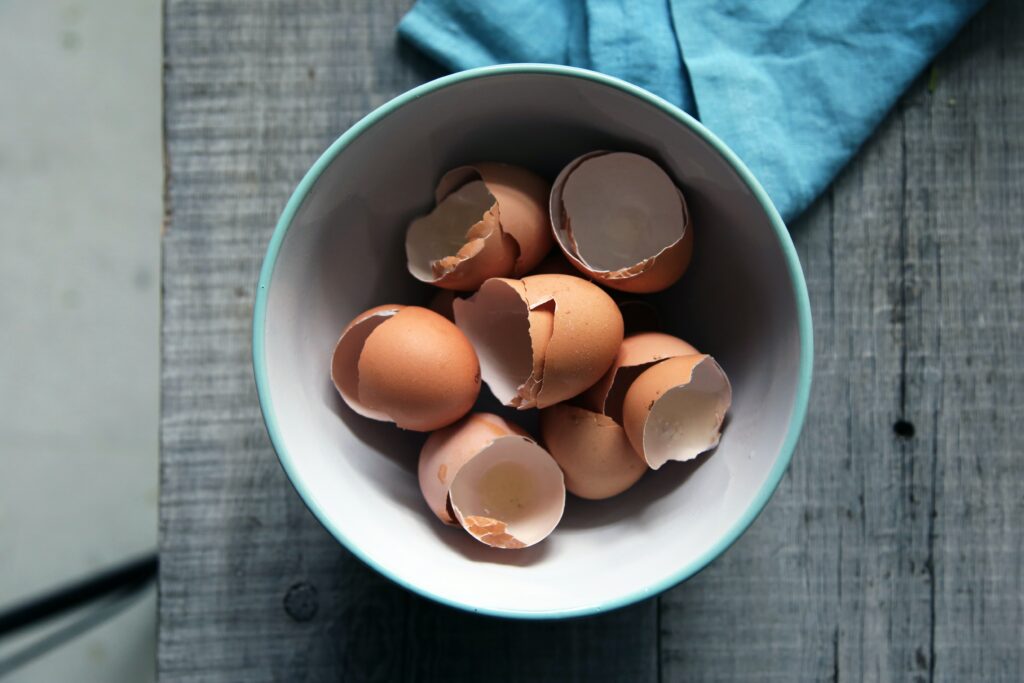
Eggshells are composed of calcium carbonate and a small amount of organic material, making them generally safe for human consumption in small amounts. However, eating large amounts of eggshells or consuming them in a way that is not properly prepared can be harmful and may cause health problems.
Here are some of the potential consequences of eating eggshells:
- Choking hazard: If eggshells are not properly ground or crushed into a fine powder, they may pose a choking hazard, especially for young children or elderly individuals who have difficulty swallowing.
- Damage to teeth: Eggshells are hard and abrasive, which means they can potentially damage tooth enamel if eaten in large amounts or frequently. This may lead to tooth sensitivity or other dental problems over time.
- Risk of bacterial contamination: Raw eggshells may be contaminated with bacteria such as Salmonella, which can cause food poisoning if consumed. It is important to wash eggshells thoroughly before consuming them to reduce the risk of bacterial contamination.
- Interference with nutrient absorption: Eating large amounts of eggshells may interfere with the absorption of certain nutrients in the body, such as iron and zinc. This is because eggshells contain phytic acid, which binds to minerals and prevents them from being absorbed properly.
- Imbalance of calcium levels: While eggshells are a good source of calcium, consuming excessive amounts of eggshells may lead to an imbalance of calcium levels in the body. This can potentially cause problems such as constipation, kidney stones, or even kidney failure in severe cases.
However, when prepared properly, eggshells can be a source of dietary calcium and other minerals. Here are some ways to prepare eggshells for consumption:
- Baking and grinding: One way to prepare eggshells for consumption is to bake them in the oven at a low temperature to dry them out, and then grind them into a fine powder using a food processor or mortar and pestle. This powder can be added to foods such as smoothies, oatmeal, or baked goods as a source of calcium.
- Boiling: Another way to prepare eggshells is to boil them in water for several minutes to remove any remaining bacteria. The shells can then be crushed and added to foods or taken as a supplement.
It is important to note that consuming eggshells should not be seen as a substitute for a balanced and nutritious diet that includes a variety of food sources. While eggshells can provide a small amount of calcium and other nutrients, they should not be relied on as the sole source of these nutrients.
In summary, while eating small amounts of properly prepared eggshells is generally safe, consuming large amounts or improperly prepared eggshells can lead to potential health problems. If you are considering consuming eggshells for their nutritional benefits, it is recommended that you consult a healthcare professional or nutritionist to ensure that it is safe and appropriate for your individual needs.