Flies are common insects that can often be found in households, restaurants, and other food establishments. They are attracted to food and can lay their eggs on food if given the chance. Eating food that has fly eggs on it can potentially lead to health problems, as the eggs can hatch into larvae, which can then contaminate the food and cause infections.
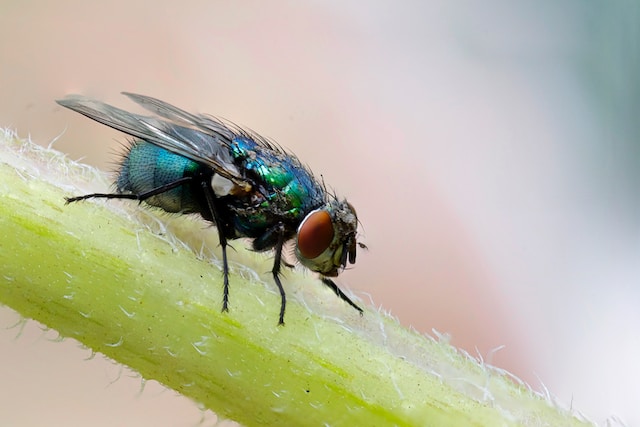
When a fly lays its eggs on food, the eggs are too small to be seen by the naked eye. They are usually laid in clusters, and the number of eggs laid depends on the type of fly and the availability of food. Some flies can lay hundreds of eggs at a time, and if the food is left out in the open for an extended period, the eggs can hatch into larvae, which can then contaminate the food.
The larvae that hatch from fly eggs are commonly known as maggots. Maggots are white, worm-like creatures that feed on decaying matter, including food. If you accidentally eat food with fly eggs on it, there is a chance that the eggs will hatch into maggots inside your stomach. While this is not very common, it can happen, and it can lead to health problems.
One of the most common health problems that can arise from eating food with fly eggs on it is food poisoning. This can occur when the larvae hatch and begin to feed on the food, releasing toxins as they do so. These toxins can cause a range of symptoms, including nausea, vomiting, diarrhea, and stomach cramps. In severe cases, food poisoning can lead to dehydration and even death.
Another potential health problem that can arise from eating food with fly eggs on it is an infection. If the larvae hatch and begin to feed on the food, they can contaminate it with bacteria, viruses, and other harmful microorganisms. This can lead to an infection, which can cause a range of symptoms, depending on the type of microorganism involved. Some common symptoms of an infection include fever, chills, headache, and fatigue.
Preventing fly eggs from contaminating your food is the best way to avoid these potential health problems. Some ways to do this include:
- Keep your kitchen clean – Flies are attracted to dirty environments, so keeping your kitchen clean and free from food debris can help deter them from laying eggs on your food.
- Store your food properly – Storing your food in airtight containers can help prevent flies from getting to it and laying their eggs.
- Cook your food thoroughly – Cooking your food thoroughly can kill any bacteria or other harmful microorganisms that may be present.
- Keep your food covered – Keeping your food covered when not in use can help prevent flies from getting to it and laying their eggs.
- Dispose of food waste properly – Properly disposing of food waste can help prevent flies from being attracted to your home or restaurant.
In conclusion, eating food with fly eggs on it can potentially lead to health problems, including food poisoning and infections. While it is not very common, it is still important to take steps to prevent fly eggs from contaminating your food. By keeping your kitchen clean, storing your food properly, cooking your food thoroughly, keeping your food covered, and disposing of food waste properly, you can reduce your risk of consuming food with fly eggs on it. If you do accidentally consume food with fly eggs on it and experience any symptoms, it is important to seek medical attention immediately.