Eating spoiled beef can potentially lead to food poisoning, which is caused by consuming harmful microorganisms such as bacteria, viruses, or parasites that can grow on spoiled or contaminated meat. Spoiled beef refers to meat that has exceeded its expiration date, has been stored improperly, or has been exposed to unsanitary conditions, leading to the growth of harmful microorganisms. The effects of eating spoiled beef can vary depending on the type and amount of microorganisms ingested, as well as the individual’s overall health and immune system. In this article, we will explore the potential consequences of consuming spoiled beef.
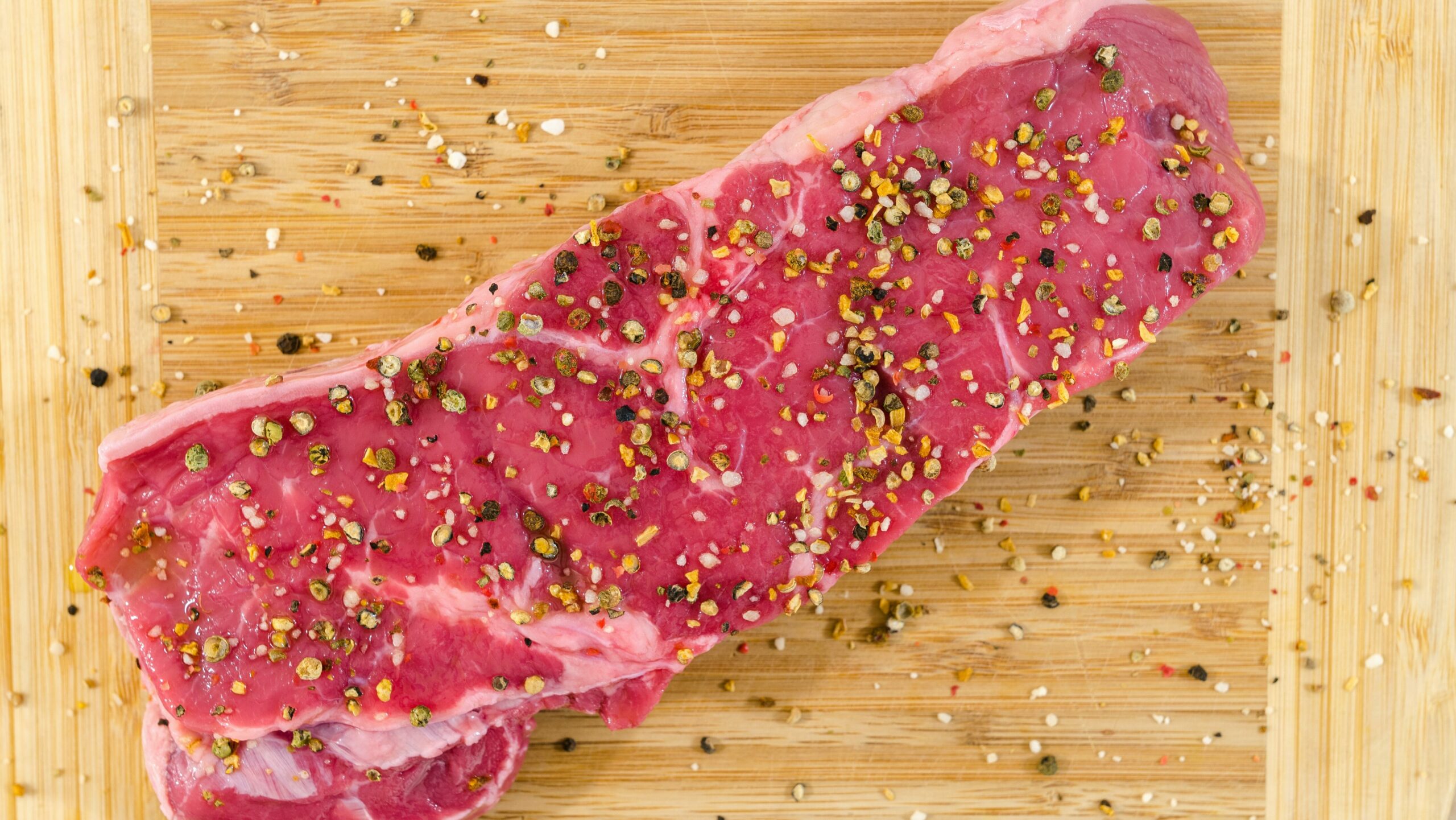
- Foodborne bacterial infections: Spoiled beef can contain harmful bacteria such as Salmonella, Escherichia coli (E. coli), Listeria, and Campylobacter, which can cause foodborne bacterial infections. These bacteria can grow on beef that has not been stored properly or has been contaminated during processing. Consuming spoiled beef contaminated with these bacteria can lead to symptoms such as diarrhea, abdominal cramps, nausea, vomiting, fever, and chills. In severe cases, these infections can lead to more serious complications such as dehydration, bloody diarrhea, and even sepsis, which is a life-threatening condition.
- Foodborne viral infections: Some viruses, such as Hepatitis A and Norovirus, can also be transmitted through contaminated beef. These viruses can cause foodborne viral infections that can result in symptoms such as diarrhea, nausea, vomiting, and abdominal cramps. Hepatitis A, in particular, can cause inflammation of the liver and may lead to more severe symptoms such as jaundice (yellowing of the skin and eyes), fatigue, and liver failure.
- Foodborne parasitic infections: Spoiled beef can also harbor parasitic microorganisms such as Trichinella, Toxoplasma, and Taenia, which can cause foodborne parasitic infections. These parasites can be ingested through undercooked or raw beef and can lead to symptoms such as nausea, vomiting, diarrhea, abdominal pain, and muscle aches. In some cases, these infections can also cause more severe complications such as organ damage, neurological symptoms, and even death, particularly in individuals with weakened immune systems.
- Toxins produced by bacteria: Some bacteria can produce toxins in spoiled beef, even if the bacteria themselves are not ingested. These toxins can be harmful to human health and can cause symptoms such as diarrhea, vomiting, abdominal cramps, and in severe cases, can lead to organ damage or even death. For example, Staphylococcus aureus is a common bacteria that can produce toxins in spoiled beef, leading to symptoms of food poisoning when consumed.
- Allergic reactions: In some cases, spoiled beef can trigger allergic reactions in individuals who are sensitive or allergic to certain components of beef. For example, histamine, which is a naturally occurring compound in meat, can increase in spoiled or improperly stored beef and can cause symptoms such as itching, rash, swelling, and difficulty breathing in individuals with histamine intolerance or allergy.
It’s important to note that the severity of the consequences of eating spoiled beef can vary widely depending on the individual’s overall health, age, and immune system function. While some individuals may only experience mild gastrointestinal symptoms that resolve on their own, others, particularly those with weakened immune systems such as the elderly, pregnant women, young children, and individuals with pre-existing health conditions, may be at higher risk of developing severe complications from consuming spoiled beef.