When a mouse eats poison, the effects can be lethal. The exact mechanism of action depends on the type of poison, but many rodenticides work by interfering with the mouse’s ability to clot blood or by causing damage to the mouse’s cells, leading to organ failure and death.
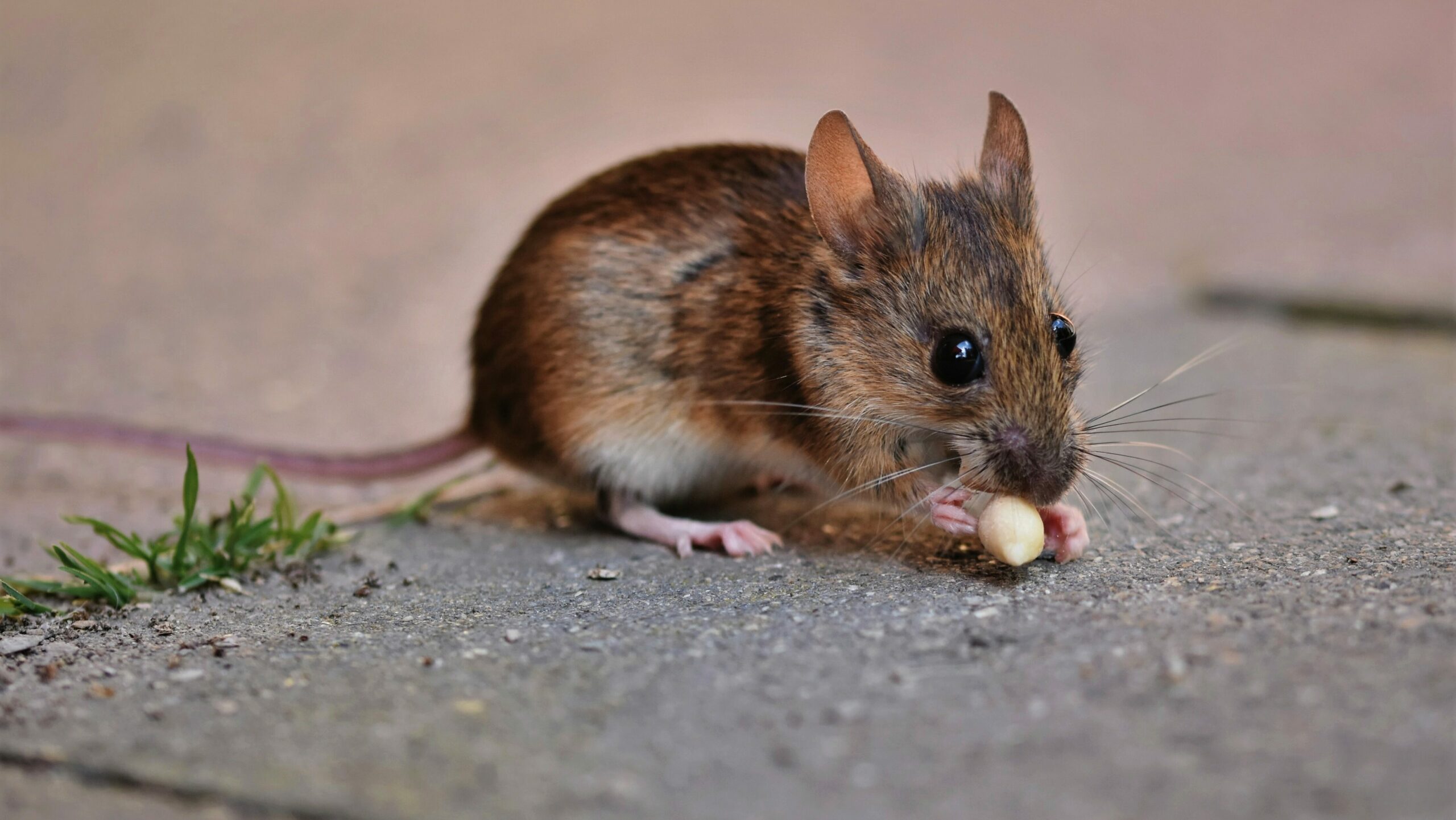
One of the most commonly used types of rodenticide is anticoagulant bait, which contains chemicals that inhibit the mouse’s ability to produce vitamin K-dependent clotting factors. This leads to hemorrhaging and bleeding, which can be fatal if not treated. After ingesting the bait, the mouse may not show symptoms for several days, as the effects of the poison take time to become apparent. Eventually, however, the mouse will begin to exhibit signs of lethargy, weakness, and difficulty breathing, as well as external signs of bleeding such as bloody noses, blood in the stool or urine, or bleeding from the mouth or eyes.
Another type of rodenticide is the acute toxin, which works by causing damage to the mouse’s cells and tissues. These poisons can be very potent, and the mouse may die within a few hours of ingesting the bait. Symptoms of acute poisoning can include seizures, convulsions, tremors, and respiratory distress.
In addition to causing harm to the mouse, rodenticides can also pose a risk to other animals that may eat the poisoned mouse. This is known as secondary poisoning, and it can occur when predators such as owls, hawks, or domestic pets consume a mouse that has ingested poison. To reduce the risk of secondary poisoning, it is important to use rodenticides according to the manufacturer’s instructions and to take appropriate measures to prevent non-target animals from accessing the bait.
Overall, the use of rodenticides to control mouse populations can be effective but should be approached with caution. When using these products, it is important to take appropriate safety precautions and to be aware of the potential risks to other animals and the environment. In some cases, non-toxic methods such as trapping or exclusion may be a safer and more humane way to control mouse populations.