When a cockroach comes into contact with Raid or any other insecticide, several things may happen. Raid is a common household insecticide that contains active ingredients such as pyrethrins or synthetic pyrethroids that are designed to target and kill insects, including cockroaches.
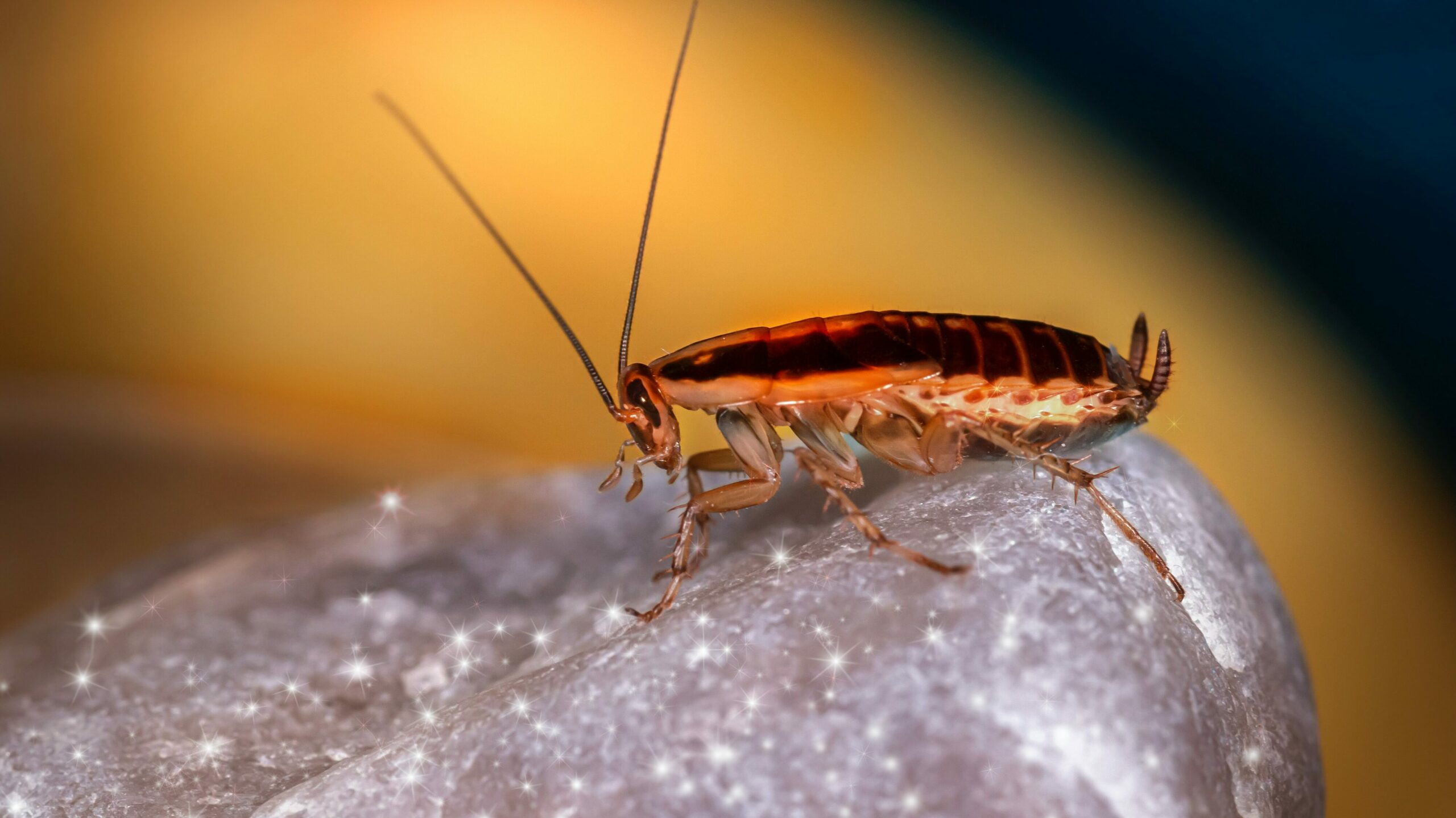
Upon contact with Raid, the insecticide may adhere to the cockroach’s exoskeleton or be absorbed through its body. The active ingredients in Raid can disrupt the nervous system of the cockroach, leading to paralysis and ultimately death. The specific effects of Raid on a cockroach can vary depending on the concentration of the insecticide, the species of cockroach, and other factors.
One of the primary mechanisms by which Raid and other insecticides work on cockroaches is by targeting the insect’s nervous system. Pyrethrins and synthetic pyrethroids, the active ingredients in Raid, can interfere with the normal functioning of the cockroach’s nervous system, disrupting nerve impulses and causing paralysis. This can result in the cockroach being unable to move or coordinate its muscles, leading to eventual death.
In addition to disrupting the nervous system, Raid and other insecticides can also affect other physiological processes in cockroaches. For example, they can interfere with the insect’s ability to regulate water and electrolyte balance, leading to dehydration and death. Insecticides like Raid can also disrupt the insect’s ability to reproduce by affecting their reproductive organs or hormonal systems.
The time it takes for a cockroach to die after being sprayed with Raid can vary. In some cases, cockroaches may die quickly, within minutes to hours, depending on the concentration of the insecticide and the susceptibility of the cockroach species. However, in other cases, it may take longer for the insecticide to take effect, especially if the cockroach has limited exposure to the insecticide or if it is a more resilient species.
It’s important to note that Raid, like other insecticides, may not be equally effective against all species of cockroaches. Cockroaches are known for their ability to adapt and develop resistance to insecticides over time. Some species of cockroaches have been found to be resistant to certain types of insecticides, including pyrethrins and synthetic pyrethroids. Therefore, it’s important to use insecticides as part of an integrated pest management (IPM) approach, which may include a combination of chemical, physical, and cultural control methods, to effectively manage cockroach infestations.
After being sprayed with Raid, a cockroach may exhibit various symptoms. Initially, the cockroach may become agitated, show signs of distress, or attempt to escape the area. As the insecticide takes effect, the cockroach may become paralyzed or have difficulty moving, and its muscles may twitch or spasm. The cockroach may also lose its ability to right itself if it falls on its back. Eventually, the cockroach may die, either from paralysis or other physiological effects of the insecticide.
It’s important to note that even after a cockroach has been sprayed with Raid and appears to be dead, it’s still advisable to dispose of the insecticide-treated cockroach properly. Dead cockroaches can still contain residual insecticide on their bodies, which may be harmful to humans or other animals if ingested or touched. Proper disposal methods, such as sealing the cockroach in a plastic bag and discarding it in an appropriate trash receptacle, should be followed to minimize the risk of exposure to the insecticide.