Yellowstone National Park is known for its stunning natural beauty and unique geological features, including geysers, hot springs, and mud pots. The park is also home to a variety of wildlife, including grizzly bears, wolves, and bison. Visitors to the park are advised to be cautious around these animals, as they can be dangerous if provoked or startled. Unfortunately, not everyone heeds this advice, and sometimes accidents happen. In this context, it is unclear who the “walker” referred to in the question is, but we can explore some possible scenarios and their outcomes.
If the walker is a hiker or backpacker in Yellowstone, they could encounter a number of dangers depending on the time of year and their location in the park. During the summer months, when the park is most crowded, hikers should be wary of encountering grizzly bears, which are known to inhabit many areas of the park. While the National Park Service provides advice on how to avoid bear encounters and what to do if you do encounter a bear, it is still possible for hikers to have dangerous run-ins with these large predators. In the event of a bear attack, hikers are advised to play dead and protect their vital organs, as this may increase their chances of survival.
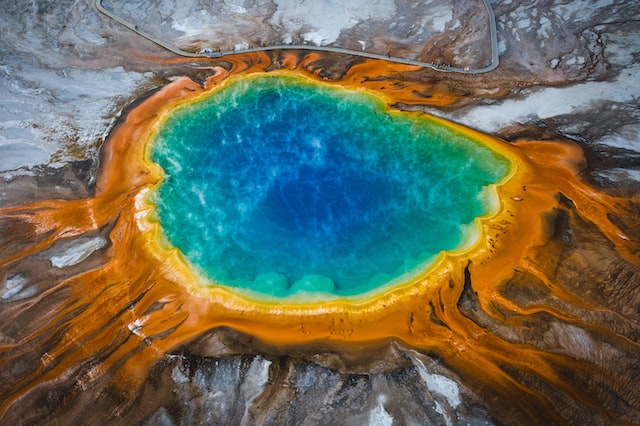
Another danger that hikers may face in Yellowstone is the park’s unpredictable geothermal features. While the geysers and hot springs are beautiful to look at, they can also be deadly if approached too closely. The ground around these features is often unstable, and there have been cases of people falling into the boiling water and suffering serious burns or even death. Visitors to the park are advised to stay on designated boardwalks and trails and to obey all warning signs.
If the walker is a tourist in Yellowstone, they may be driving through the park on one of its scenic roads. While the roads are generally well-maintained and safe to drive on, there are certain hazards that drivers should be aware of. For example, the park’s wildlife often wanders onto the roads, especially at dawn and dusk when they are most active. This can create dangerous situations for drivers, as hitting a large animal such as a bison or elk can cause serious damage to both the vehicle and its occupants. Visitors are advised to stay in their vehicles and to give wildlife plenty of space.
Another danger that drivers may encounter in Yellowstone is weather-related. The park is located at high elevation and is subject to extreme weather conditions, including snow and ice storms, high winds, and lightning strikes. Visitors should be prepared for sudden changes in weather and should carry appropriate clothing and equipment with them at all times. In the event of a storm, it is important to stay in a safe location and avoid being out in the open.
Finally, it is worth noting that Yellowstone is also subject to natural disasters such as earthquakes and wildfires. While these events are relatively rare, they can have serious consequences for visitors to the park. In the event of an earthquake, visitors should seek shelter in a sturdy building or get down on the ground and cover their head. In the event of a wildfire, visitors should follow the instructions of park rangers and evacuate if necessary.
In summary, the safety of a walker in Yellowstone depends on a variety of factors, including their location in the park, the time of year, and the weather conditions. Visitors to the park are advised to be cautious around wildlife, to stay on designated trails and boardwalks, and to obey all warning signs. They should also be prepared for sudden changes in weather and be aware of the potential for natural disasters. While accidents can and do happen in Yellowstone, visitors who take the necessary precautions can enjoy a safe and memorable experience in one of America’s most beautiful national parks.