When someone calls you while your phone is in airplane mode, the call will not be received, and the caller will hear a message indicating that the phone is either turned off or out of range. This is because airplane mode is designed to disable all wireless communication functions of a mobile device, including cellular, Wi-Fi, and Bluetooth. However, there are some nuances and exceptions to this rule that are worth exploring.
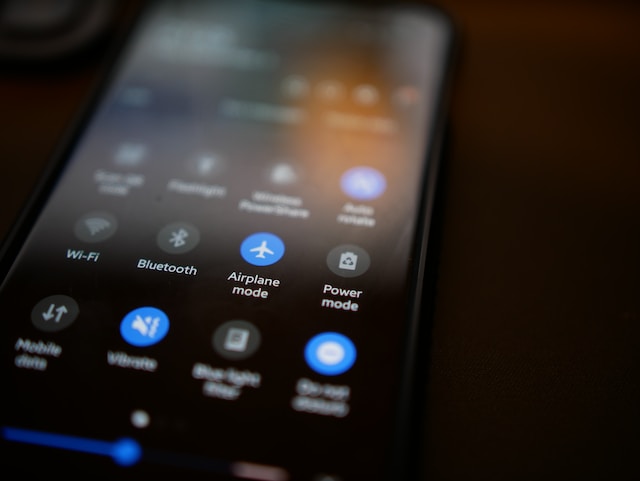
Airplane mode was originally designed to prevent mobile devices from interfering with airplane communications and navigation systems. It achieves this by disabling all wireless functions that can transmit signals, including phone calls, text messages, and data connectivity. When airplane mode is enabled, the device essentially becomes a standalone device that can only perform basic functions, such as playing music, taking photos, or accessing locally stored content.
If someone calls you while your phone is in airplane mode, the call will be automatically redirected to voicemail, and the caller will hear a message that the phone is either turned off or out of range. This is because the cellular network cannot detect your phone’s signal, and therefore cannot route the call to your phone. The same applies to text messages, which will not be delivered until the phone is taken out of airplane mode.
However, there are some exceptions to this rule. In some cases, Wi-Fi and Bluetooth can still be used even when airplane mode is enabled. This can happen if the phone is connected to a Wi-Fi network before airplane mode is turned on. In this case, the phone will remain connected to the Wi-Fi network and can still receive calls and messages over Wi-Fi calling and messaging services. This is because Wi-Fi calling and messaging services do not rely on cellular networks, but instead use internet connections to route calls and messages.
Similarly, Bluetooth can still be used in airplane mode if the phone is paired with a Bluetooth device before airplane mode is turned on. This is because Bluetooth does not use the same frequencies as cellular networks and does not interfere with airplane communications. However, Bluetooth calling and messaging services are only available on some devices and require the device to be paired with another Bluetooth device that has calling or messaging capabilities.
Another exception is the use of in-flight Wi-Fi services. Some airlines offer Wi-Fi services that passengers can use during flights, and these services can be used even when airplane mode is enabled. In this case, the phone can connect to the Wi-Fi network provided by the airline and use Wi-Fi calling and messaging services to communicate with others.
In conclusion, when someone calls you while your phone is in airplane mode, the call will be automatically redirected to voicemail, and the caller will hear a message indicating that the phone is either turned off or out of range. This is because airplane mode is designed to disable all wireless communication functions of a mobile device, including cellular, Wi-Fi, and Bluetooth. However, there are some exceptions to this rule, including the use of Wi-Fi calling and messaging services, Bluetooth calling and messaging services, and in-flight Wi-Fi services. It is important to note that these exceptions may vary depending on the device and the service provider, so it is always a good idea to check the user manual or contact the service provider for more information.