A burner phone is a prepaid mobile phone that can be used temporarily and anonymously without providing personal information to the mobile network operator. Burner phones have been associated with illicit activities due to their ability to evade surveillance and identification. When you call a burner phone, several things can happen depending on various factors such as the network, location, and configuration of the phone.
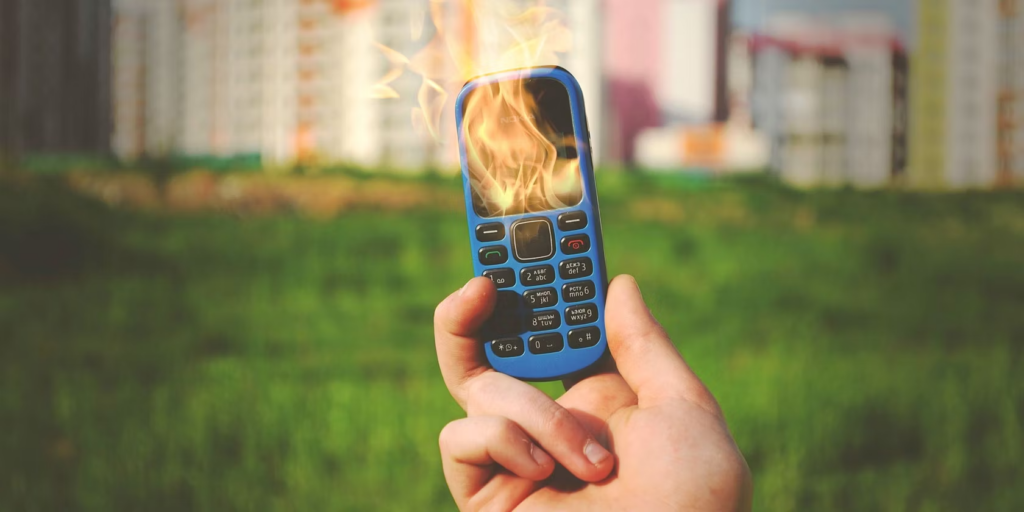
Firstly, when you dial the burner phone’s number, your call is routed through the mobile network to the cell tower closest to the phone’s location. The cell tower communicates with the phone to establish a connection, and if the phone is turned on and within range, it will ring. However, if the phone is turned off, out of range, or has no signal, the call will go to voicemail or be redirected to a forwarding number.
Assuming the phone is on and within range, the recipient can answer the call, decline it, or let it go to voicemail. If the recipient answers, they can speak to you like any other mobile phone call. However, if the recipient is using a burner phone, they may be hesitant to share personal information or engage in a lengthy conversation as they aim to preserve their anonymity.
If you call a burner phone, you may also encounter a voicemail greeting that differs from the standard greeting on regular mobile phones. The greeting may be generic and not identify the user or their name. It could be a simple message like “you’ve reached a voicemail box” or “please leave a message.” The absence of a personalized greeting may be an indication that the user of the phone is attempting to remain anonymous.
It is important to note that burner phones are not entirely untraceable. Although they do not require personal identification to purchase, they still rely on a mobile network to operate. This means that the network operator can track the phone’s location and usage patterns through cell tower data. If the user engages in suspicious activities or criminal behavior, law enforcement agencies can use this information to trace their movements and possibly identify them.
Additionally, some burner phones have features that allow the user to customize their privacy settings. For instance, they may be able to set up call forwarding to another number or send all incoming calls straight to voicemail. Some phones may also have the ability to encrypt text messages or use a disposable email address to communicate. These features can make it more difficult to track the user’s activities or identify them.
In conclusion, calling a burner phone is similar to calling a regular mobile phone, but the recipient may be more cautious about sharing personal information or engaging in lengthy conversations. Burner phones can be used anonymously to evade identification and surveillance, but they are not entirely untraceable. The network operator can track the phone’s location and usage patterns, and law enforcement agencies can use this information to investigate criminal activity. The user may also have customized privacy settings that make it more difficult to identify them.