When you press on a girl’s stomach, several things can happen depending on the amount of pressure applied and the specific location of the pressure. In general, the effects can range from discomfort to pain, depending on the individual’s sensitivity and any underlying health conditions.
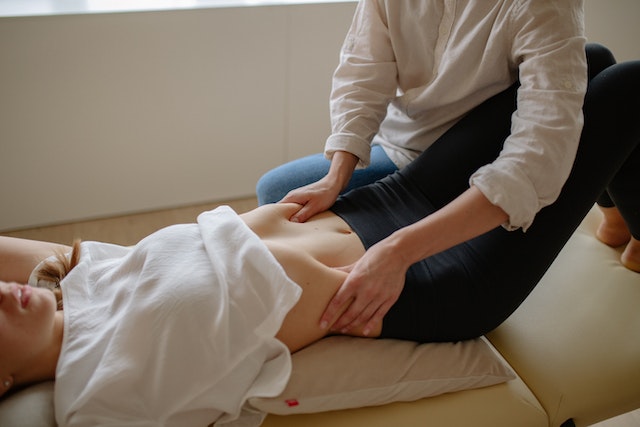
Firstly, if you apply light pressure to the abdominal area, it can cause the muscles to contract and tighten slightly, which is a normal response. This is because the abdomen contains a network of muscles that work together to support the body’s core and help with movement. When pressure is applied, the muscles react by contracting, which can create a slight bulge or tightening sensation in the area. This is a normal and expected response and usually does not cause any significant discomfort.
However, if the pressure is applied more firmly or aggressively, it can cause discomfort or even pain. This is because the abdominal area contains a number of sensitive organs, such as the liver, pancreas, and intestines, which can be easily irritated or damaged if too much pressure is applied. For example, if pressure is applied directly to the stomach, it can cause discomfort, nausea, and even vomiting, especially if the person has just eaten.
Similarly, if pressure is applied to the lower abdomen, it can cause discomfort and pain, particularly if the person is menstruating. This is because the uterus and ovaries are located in this area, and the pressure can cause cramping and other menstrual symptoms.
Another factor that can affect how a girl responds to pressure on her stomach is whether she has any underlying health conditions. For example, if she has a gastrointestinal disorder, such as irritable bowel syndrome (IBS) or inflammatory bowel disease (IBD), pressure on the stomach can exacerbate symptoms such as abdominal pain, bloating, and diarrhea. Similarly, if she has a kidney or bladder infection, pressure on the lower abdomen can cause pain and discomfort.
In some cases, pressing on a girl’s stomach can be a way of diagnosing a medical condition. For example, a doctor may apply pressure to different areas of the abdomen to check for signs of tenderness or swelling, which can be indicative of an underlying condition. Similarly, a massage therapist may apply pressure to the abdominal area as part of a massage to help release tension and improve digestion.
Overall, the effects of pressing on a girl’s stomach can vary depending on the amount of pressure applied and the specific location of the pressure. In general, light pressure is unlikely to cause any significant discomfort, while more forceful pressure can cause discomfort, pain, or exacerbate underlying health conditions. If you are unsure about whether it is safe to apply pressure to someone’s stomach, it is always best to consult with a medical professional.