The answer to this riddle is a needle.
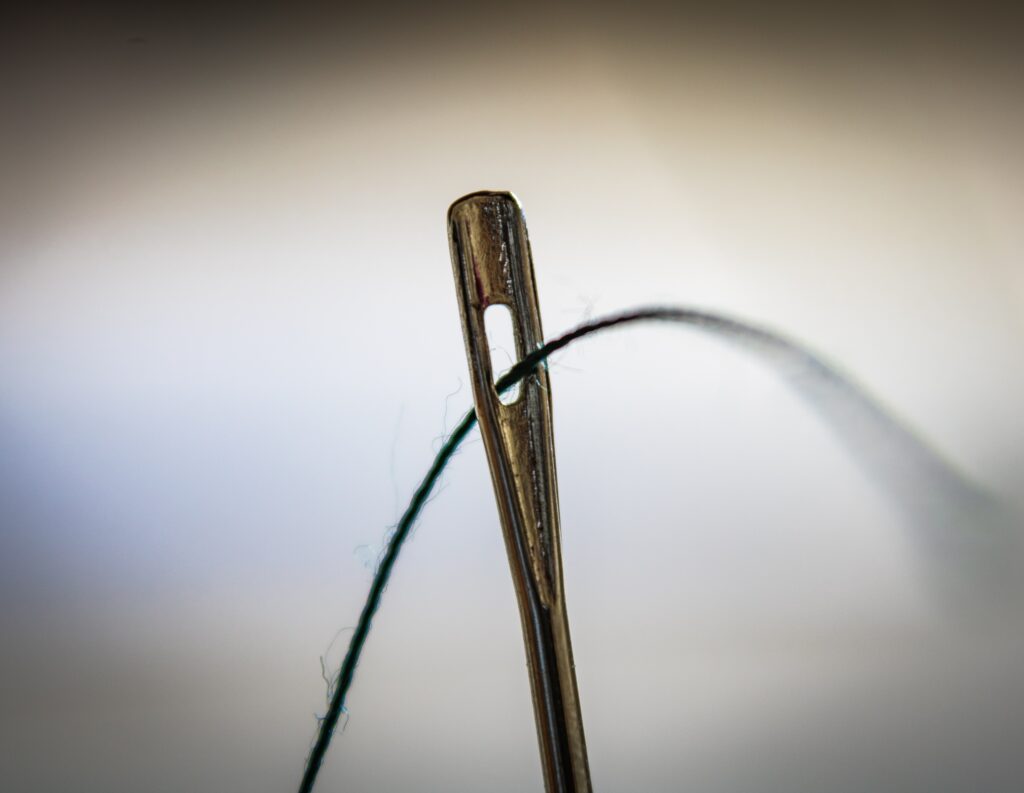
A needle is a small, thin, pointed object used for sewing or knitting, and it has a single, tiny hole in the top known as the eye. Despite having an eye, a needle cannot see, as it lacks the sensory organs necessary for sight.
This riddle is an example of a type of wordplay known as a “riddle.” Riddles are a type of puzzle that involves using clues or hints to solve a mystery or figure out the answer to a question. Riddles have been a part of human culture for centuries, and they can be found in literature, folklore, and oral traditions around the world.
Riddles often rely on creative wordplay, as they use language to create a sense of mystery or confusion. They can be humorous or serious, easy or difficult, and they can cover a wide range of subjects, from everyday objects to abstract concepts.
In many cultures, riddles have served as a form of entertainment, as well as a way to challenge the mind and develop critical thinking skills. Riddles can also be used to teach lessons or convey moral messages, as they often require careful observation and attention to detail.
In addition to riddles, there are many other types of puzzles and brain teasers that involve wordplay and creative thinking. Crossword puzzles, anagrams, and cryptograms are all examples of puzzles that use language and wordplay to challenge the mind.
Overall, riddles and puzzles are a fun and engaging way to exercise the brain and develop critical thinking skills. They can be enjoyed by people of all ages and can provide hours of entertainment and mental stimulation. So the next time you come across a riddle, take a moment to try to solve it – you may be surprised by the cleverness and creativity of the answer!