When the temperature outside drops, it’s important to make sure your home’s pipes don’t freeze. If the pipes do freeze, they can burst, leading to water damage and potentially costly repairs. The ideal temperature to prevent your pipes from freezing depends on several factors, including the location of the pipes, the insulation surrounding the pipes, and the local climate.
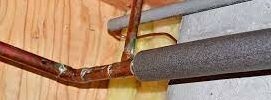
In general, a temperature of 55 degrees Fahrenheit or higher is considered safe for most pipes. However, some pipes are more vulnerable to freezing and may require a higher temperature to remain safe. For example, pipes located in unheated or uninsulated areas, such as an attic or crawl space, are more likely to freeze than pipes located in a heated area.
If you live in an area with extremely cold winters, you may need to set your thermostat higher to ensure your pipes don’t freeze. A temperature of 60 degrees Fahrenheit or higher is recommended for homes in extremely cold climates. Additionally, it’s important to make sure your home is properly insulated to prevent cold air from entering and warm air from escaping.
If you are planning on being away from your home for an extended period of time during the winter, it’s important to take extra precautions to prevent your pipes from freezing. Set your thermostat to at least 55 degrees Fahrenheit, and consider draining your pipes to remove any water that could freeze and cause damage.
If your home has experienced frozen pipes in the past, it’s important to take steps to prevent it from happening again. This may include adding insulation to areas where pipes are located, sealing any cracks or gaps where cold air could enter, and leaving cabinet doors open to allow warm air to circulate around pipes.
If you suspect your pipes have frozen, it’s important to take immediate action to prevent them from bursting. Turn off the water supply to your home and call a plumber to assess the situation. Do not attempt to thaw the pipes yourself, as this can lead to further damage.
In conclusion, a temperature of 55 degrees Fahrenheit or higher is generally considered safe for most pipes. However, it’s important to take into account the location of the pipes, the insulation surrounding the pipes, and the local climate to determine the ideal temperature to prevent freezing. If you live in an area with extremely cold winters, a temperature of 60 degrees Fahrenheit or higher may be necessary to keep your pipes safe. Taking precautions such as adding insulation, sealing cracks, and leaving cabinet doors open can help prevent your pipes from freezing and potentially bursting. If you suspect your pipes have frozen, it’s important to call a plumber to assess the situation and prevent further damage.