Boils and pimples are both skin conditions that can be uncomfortable and unsightly. While they may appear similar, there are differences between the two.
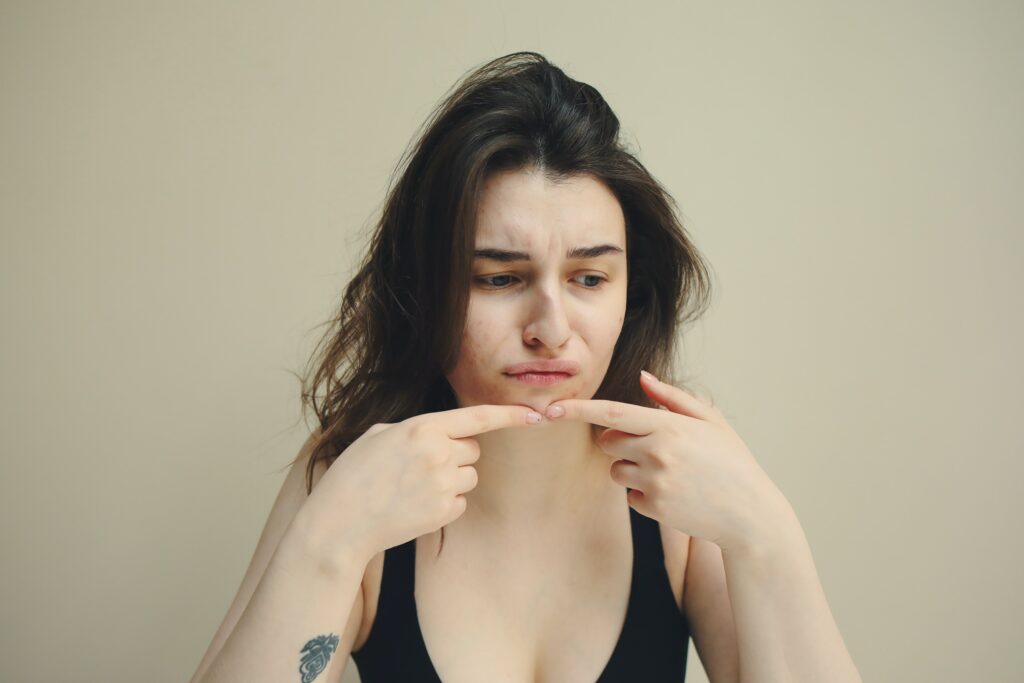
Boils, also known as furuncles, are infections that occur in hair follicles or oil glands. They are usually caused by the bacterium Staphylococcus aureus and are characterized by a red, tender lump that may be filled with pus. Boils can occur anywhere on the body but are most common on the face, neck, armpits, buttocks, and thighs.
Boils typically start as a small, painful bump that gradually gets larger over several days. As the infection progresses, the lump may become more tender and swollen, and a white or yellow center may form as pus collects. In some cases, multiple boils may form in the same area, known as a carbuncle.
Treatment for boils usually involves applying warm compresses to the affected area to encourage drainage of the pus. In some cases, antibiotics may be prescribed to treat the infection. If the boil is large or does not improve with home care, it may need to be lanced by a healthcare provider to drain the pus and relieve pressure.
Pimples, on the other hand, are a type of acne that occurs when hair follicles become clogged with oil and dead skin cells. Pimples are characterized by a red, raised bump that may be filled with pus. They are most commonly found on the face, chest, and back, and can occur at any age.
Pimples can take several forms, including blackheads, whiteheads, papules, pustules, and nodules. Blackheads occur when pores are clogged with a combination of oil and dead skin cells, while whiteheads occur when the pore is completely blocked by oil and dead skin cells. Papules are small, raised bumps that may be pink or red, while pustules are similar to papules but contain pus. Nodules are large, painful lumps that develop deep in the skin.
Treatment for pimples typically involves keeping the skin clean and avoiding touching or picking at the affected area. Over-the-counter acne treatments, such as benzoyl peroxide and salicylic acid, may be helpful in clearing up pimples. In some cases, prescription medications, such as topical or oral antibiotics, may be necessary.
Overall, while boils and pimples may share some similarities, they are caused by different factors and require different treatments. Boils are infections that occur in hair follicles or oil glands and are typically caused by the bacterium Staphylococcus aureus. Pimples, on the other hand, are a type of acne that occurs when hair follicles become clogged with oil and dead skin cells. While both conditions can be uncomfortable and unsightly, they can usually be treated effectively with home care or medical intervention.