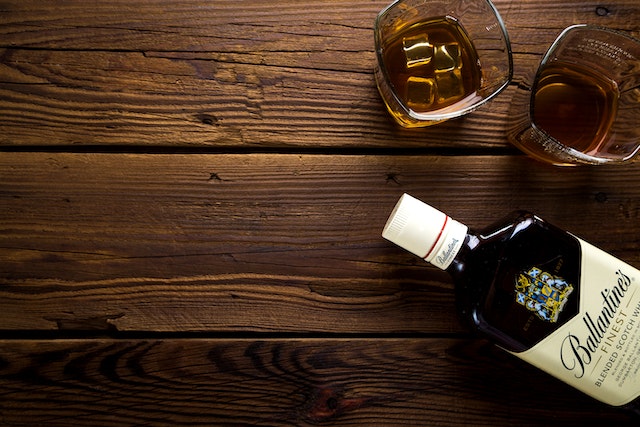
A fifth is a common term used in the United States to refer to a 750ml bottle of liquor or spirits. It may also be known as a “bomber” or a “handle” in some regions. This term originated from a government regulation in the early 1900s that standardized liquor bottles to be 1/5th of a gallon in size, making it easier to regulate and tax the alcohol industry.
However, excessive consumption of a fifth of liquor is associated with heavy drinking and binge drinking culture. It can lead to several health risks and dangerous behaviors. Alcohol poisoning is a severe risk that can be life-threatening, resulting from drinking a large amount of alcohol in a short period. Symptoms of alcohol poisoning include vomiting, confusion, seizures, slowed breathing, and decreased body temperature. If left untreated, it can lead to coma and even death.
Drinking a fifth of liquor can impair judgment, coordination, and motor skills, leading to accidents and injuries. Driving under the influence of alcohol is a significant danger and can cause thousands of deaths and injuries each year. A blood alcohol content (BAC) of 0.08%, which can be reached after consuming a fifth of liquor, increases the risk of a car accident by 17 times.
Long-term health risks are also associated with heavy drinking, including chronic alcohol abuse, liver disease, high blood pressure, heart disease, and various forms of cancer. Additionally, it can cause mental health problems such as depression and anxiety.
Despite these significant health risks, binge drinking culture is prevalent, especially among young adults, due to peer pressure, social norms, and media and advertising influence. It is vital to recognize the risks and consequences of heavy drinking and to make informed decisions about alcohol consumption.
In conclusion, while a fifth is a common term used for liquor or spirits, it is associated with heavy drinking and binge drinking culture, leading to various health risks and dangerous behaviors. It is crucial to be aware of the risks and consequences of excessive drinking and make informed decisions about alcohol consumption.