A holler is a term used to describe a small, narrow valley or hollow found in the Appalachian Mountains of the eastern United States. The term “holler” is derived from the Old English word “holh,” meaning “hole” or “hollow,” and has been used for centuries to describe the unique landscape of the region.
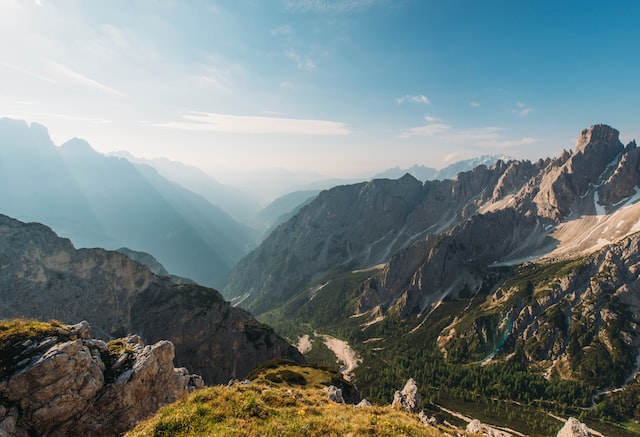
In the Appalachian Mountains, hollers are typically found nestled between steep ridges, and are often inaccessible by car or other vehicles. Instead, they are accessible only by foot, horseback, or all-terrain vehicles, and are often home to small, tight-knit communities of people who have lived in the area for generations.
Hollers are unique in that they are often isolated from the rest of the world, both geographically and culturally. Many holler communities have their own distinct dialects and ways of life, and are fiercely protective of their traditions and customs.
Holler communities are often characterized by a strong sense of community and mutual support. In many holler communities, neighbors help each other with farming and other tasks, and often rely on each other for support during times of hardship.
The people who live in hollers are typically very resourceful and self-sufficient. Because of their isolation, holler communities often have limited access to outside resources, and must rely on their own ingenuity to survive. This has led to the development of unique crafts, foods, and other cultural traditions that are specific to each holler community.
In addition to their cultural significance, hollers are also important from an ecological perspective. The steep ridges that surround hollers create unique microclimates that support a wide range of plant and animal species, many of which are endemic to the region. The forests that cover the Appalachian Mountains are also a vital source of timber, fuel, and other resources for holler communities.
Despite their cultural and ecological significance, hollers are also facing a number of challenges in the modern world. The isolation that once protected holler communities now makes them vulnerable to economic and social changes that are happening outside of the region.
Many holler communities are struggling with poverty, high rates of unemployment, and limited access to healthcare and other services. The decline of the coal mining industry in the region has also had a profound impact on many holler communities, which have historically relied on mining jobs to support their economies.
Despite these challenges, however, holler communities continue to thrive in many parts of the Appalachian Mountains. The people who live in hollers are fiercely proud of their heritage and traditions, and are determined to preserve them for future generations.
In recent years, there has been growing interest in holler culture and the unique way of life it represents. Books, documentaries, and other media have helped to raise awareness of the challenges facing holler communities, as well as the cultural and ecological significance of these unique landscapes.
Efforts are also underway to provide support to holler communities and help them to thrive in the modern world. Nonprofit organizations and government agencies are working to provide resources and support to holler communities, including access to healthcare, education, and economic opportunities.
In conclusion, a holler is a small, narrow valley or hollow found in the Appalachian Mountains of the eastern United States. These unique landscapes are home to tight-knit communities of people who have lived in the area for generations, and are characterized by a strong sense of community, mutual support, and self-sufficiency. While holler communities are facing a number of challenges in the modern world, efforts are underway to provide support and help them to thrive for generations to come.