A love pimple, also known as a “passion pimple” or a “lust bump,” is a colloquial term used to describe a pimple or blemish that appears on the face or body as a result of increased levels of hormones caused by romantic attraction or sexual desire.
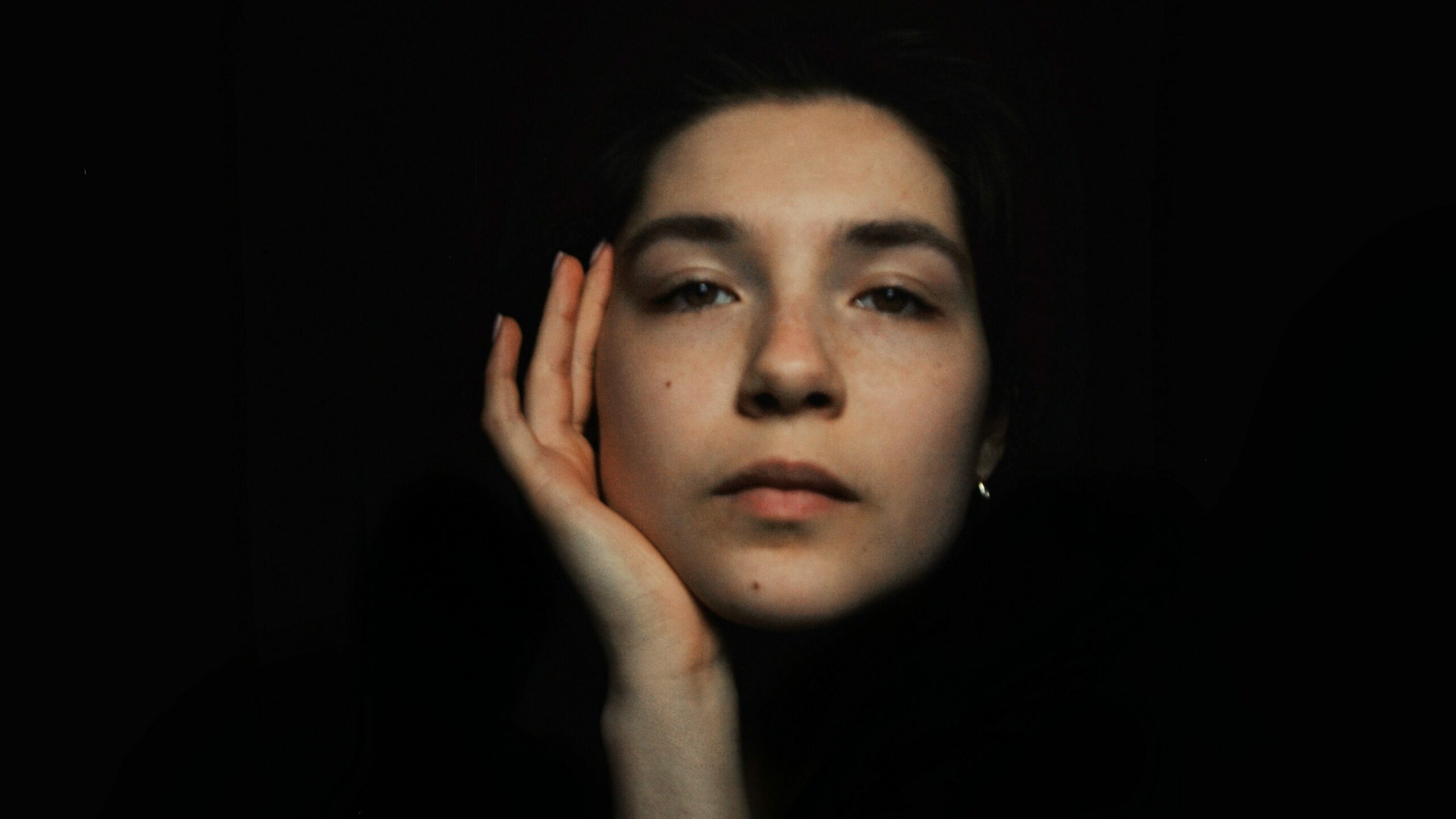
When a person experiences feelings of love, attraction, or sexual desire, their body produces higher levels of hormones such as testosterone, estrogen, and progesterone. These hormones can cause an increase in oil production, leading to clogged pores and acne breakouts. In some cases, the hormonal changes can also lead to increased blood flow to the skin, which can cause a reddish or pinkish bump to form.
There are several different factors that can contribute to the development of a love pimple. One of the most common causes is the increase in hormones that occurs during times of emotional stress or excitement. When we are in a romantic situation, our bodies produce more adrenaline, which can lead to an increase in oil production in the skin. This excess oil can clog pores and lead to the development of pimples.
Another potential cause of love pimples is the transfer of bacteria from one person to another during physical contact. When we kiss or engage in other forms of close contact with another person, we are exchanging bacteria and other microorganisms. If one of these microorganisms is acne-causing bacteria, it can lead to the development of a pimple.
Love pimples are most commonly associated with teenagers and young adults, who are experiencing heightened levels of hormones as they go through puberty and begin to explore romantic and sexual relationships. However, they can occur at any age and can be caused by any situation that leads to increased levels of hormones, such as falling in love, experiencing sexual arousal, or even just being in a hot and humid environment.
Finally, stress can also play a role in the development of love pimples. When we are under stress, our bodies produce cortisol, which can lead to an increase in inflammation and acne. This is because cortisol stimulates the production of sebum, which can clog pores and lead to the formation of pimples.
While love pimples are not a serious medical condition, they can be a source of embarrassment and discomfort for those who experience them. Fortunately, there are several steps that can be taken to prevent and treat these types of pimples.
One of the best ways to prevent love pimples is to maintain a good skincare routine. This includes washing your face twice a day with a gentle cleanser, using a non-comedogenic moisturizer, and avoiding touching your face with your hands. It is also important to avoid using heavy makeup or skincare products that can clog pores and lead to the development of pimples.
In addition to maintaining a good skincare routine, it is also important to manage stress levels. This can be done through regular exercise, meditation, or other relaxation techniques. It may also be helpful to talk to a therapist or counselor if you are experiencing chronic stress or anxiety.
Despite the colloquial term, love pimples are not a medical condition and do not require any special treatment. In most cases, they will go away on their own within a few days or weeks. However, there are some steps that can be taken to help prevent or reduce the severity of love pimples:
- Practice good skincare: Washing your face regularly with a gentle cleanser can help to remove excess oil and prevent clogged pores. Avoid using harsh or abrasive scrubs, which can irritate the skin and make acne worse.
- Avoid touching your face: Touching your face can transfer bacteria and oil from your hands to your skin, leading to breakouts. Try to avoid touching your face as much as possible, and if you need to touch it, make sure your hands are clean.
- Use non-comedogenic products: Non-comedogenic products are designed to not clog pores, so they are less likely to cause acne breakouts. Look for skincare and makeup products that are labeled as non-comedogenic.
- Manage stress: Stress can cause hormonal changes that can lead to acne breakouts, so it’s important to find ways to manage stress. This can include practicing relaxation techniques like yoga or meditation, getting regular exercise, and getting enough sleep.
- See a dermatologist: If you are experiencing persistent or severe acne, it may be helpful to see a dermatologist. They can recommend prescription medications or other treatments that can help to clear up your skin.
In more severe cases, prescription medications such as topical retinoids or oral antibiotics may be necessary to treat acne. These medications work by reducing inflammation and killing bacteria, which can help to clear up pimples and prevent future breakouts.
In summary, a love pimple is a colloquial term used to describe a pimple or blemish that appears on the face or body as a result of increased levels of hormones caused by romantic attraction or sexual desire. While they are not a medical condition and do not require any special treatment, there are steps that can be taken to help prevent or reduce the severity of love pimples. These include practicing good skincare, avoiding touching your face, using non-comedogenic products, managing stress, and seeing a dermatologist if necessary.