A spot the difference puzzle is a type of visual puzzle where two images that appear to be identical at first glance are presented side by side, and the task is to identify and mark the differences between the two images. These puzzles typically require careful observation and attention to detail to spot the subtle or not-so-subtle differences between the images.
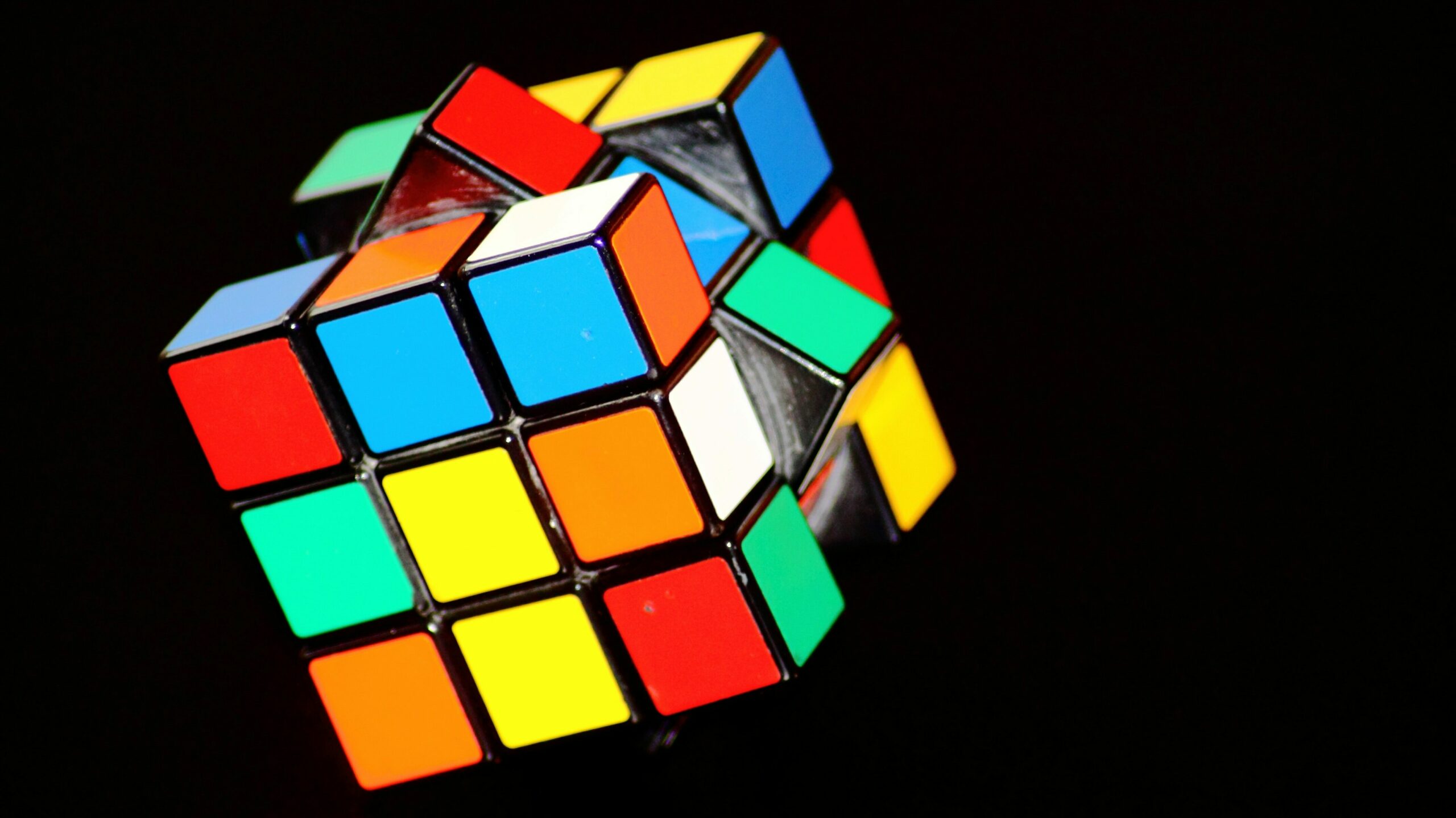
Spot the difference puzzles are popular forms of entertainment and brain teasers that can be found in various formats, such as books, magazines, newspapers, websites, and mobile apps. They are commonly used in recreational settings, as well as in educational contexts to promote visual perception, cognitive skills, and attention to detail.
The images used in spot the difference puzzles can vary in complexity and theme, ranging from simple illustrations to intricate photographs. The differences between the images can be varied in nature, including changes in color, shape, size, position, orientation, or presence/absence of objects or details. Some spot the difference puzzles may also include additional challenges, such as a time limit or a requirement to identify a certain number of differences within a specific timeframe.
Solving spot the difference puzzles can be a fun and engaging activity that challenges the brain and hones visual perception skills. It requires keen observation, attention to detail, and the ability to compare and contrast the images to identify the discrepancies. It can also be a social activity, as people may work together or compete against each other to see who can spot all the differences first.
Spot the difference puzzles can have various benefits, including:
- Cognitive development: Solving spot the difference puzzles can improve cognitive skills such as visual perception, attention to detail, and critical thinking. It requires the brain to analyze and process visual information, make comparisons, and identify patterns and discrepancies, which can help develop cognitive abilities.
- Observation skills: Spot the difference puzzles encourage keen observation skills, as players need to carefully examine the details of the images to spot the differences. This can improve overall observation skills, which can be useful in various real-life situations, such as noticing details in the environment or identifying changes in situations.
- Concentration and focus: Spot the difference puzzles require concentration and focus to carefully compare the images and identify the differences. This can help improve concentration skills and enhance the ability to focus on details, which can be beneficial in tasks that require sustained attention and focus.
- Problem-solving: Spot the difference puzzles are essentially visual problems that need to be solved, as players need to identify and analyze the differences between the images. This can enhance problem-solving skills, as players need to use their analytical and critical thinking abilities to find solutions.
- Relaxation and stress relief: Engaging in spot the difference puzzles can be a form of relaxation and stress relief, as it allows the mind to focus on a specific task and provides a break from everyday stressors. It can be a calming and enjoyable activity that promotes mindfulness and relaxation.
- Entertainment: Spot the difference puzzles are a popular form of entertainment, providing a challenging and engaging activity that can be enjoyed by people of all ages. It can be a fun way to pass the time, whether it’s during a break, while traveling, or when looking for a recreational activity.
In conclusion, spot the difference puzzles are visual puzzles that require careful observation and attention to detail to identify differences between two seemingly identical images. They are popular forms of entertainment and brain teasers that can be found in various formats, and they offer cognitive benefits such as improved visual perception, attention to detail, concentration, problem-solving, and relaxation. Whether you’re solving spot the difference puzzles for fun, relaxation, or cognitive development, they can be a rewarding and engaging activity that challenges the mind and promotes visual perception skills.