Baby sheep meat is commonly referred to as lamb meat. Lamb is the meat of young sheep that are less than one year old, and it is known for its tender texture and delicate flavor. Lamb meat is consumed in many cultures around the world and is a popular ingredient in various cuisines.
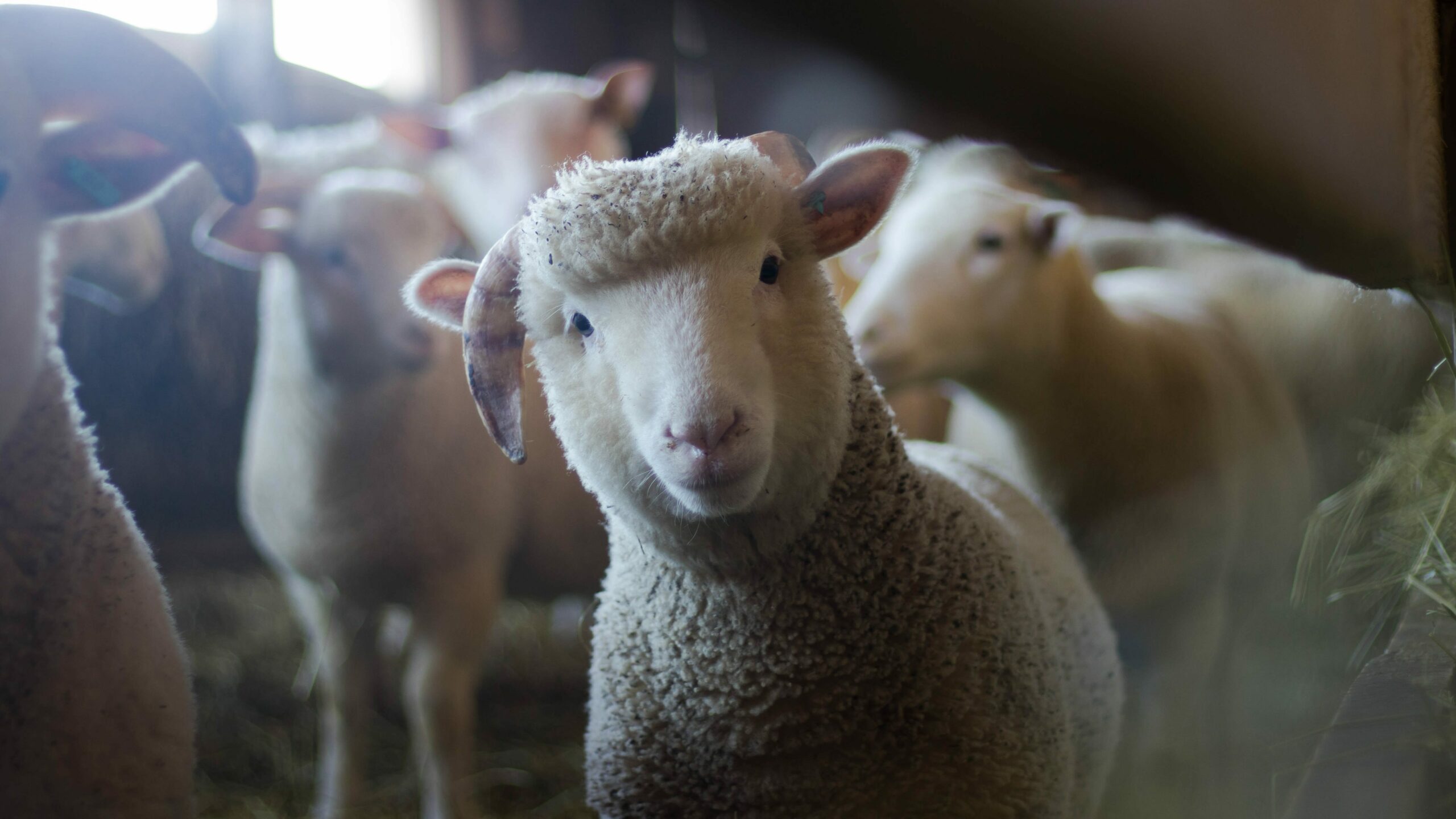
Lamb meat is often considered a delicacy and is known for its distinctive flavor, which is milder and more tender compared to the meat from older sheep, which is known as mutton. The term “lamb” generally refers to the meat from sheep that are less than one year old, although there are some regional variations in the definition of lamb based on the age and size of the animal. For example, in the United States, lamb is typically meat from sheep that are less than 14 months old, while in Australia and New Zealand, lamb is meat from sheep that are less than 12 months old and have not developed permanent incisor teeth.
Lamb meat is highly valued for its tender texture, which is due to the relatively low levels of connective tissue compared to older sheep. The meat is also typically leaner compared to beef and pork, with a higher proportion of unsaturated fats, particularly omega-3 fatty acids. Lamb meat is a good source of high-quality protein, essential vitamins and minerals, including iron, zinc, vitamin B12, and vitamin D, and it is often considered a nutrient-dense meat option.
In addition to its nutritional value, lamb meat is also known for its versatility in cooking. It can be prepared in various ways, such as roasting, grilling, braising, stewing, and stir-frying, and it is used in a wide range of dishes, from traditional stews and roasts to more modern and creative preparations. The flavor of lamb meat can be enhanced with various herbs, spices, and marinades, and it pairs well with a variety of ingredients, such as vegetables, grains, and legumes, in different culinary traditions.
Lamb meat is a popular ingredient in many cuisines around the world, and it has a long history of consumption in various cultures. For example, lamb is commonly used in Mediterranean cuisine, where it is featured in dishes such as lamb kebabs, lamb chops, and lamb stews. In Middle Eastern cuisine, lamb is used in dishes such as shawarma, kofta, and tagine. In Indian cuisine, lamb is used in dishes such as curry, biryani, and keema. In European cuisine, lamb is used in traditional dishes such as lamb stew, shepherd’s pie, and roasted lamb. Lamb meat is also a prominent ingredient in festive and celebratory dishes in many cultures, such as Easter lamb, Passover lamb, and Christmas lamb.
The consumption of lamb meat is also influenced by cultural, religious, and ethical considerations. For example, in some cultures, lamb meat has religious or symbolic significance, and it is consumed during specific festivals or events. In certain religions, such as Judaism and Islam, there are specific rules and guidelines for the consumption of lamb meat, including the requirement for the animal to be slaughtered according to specific religious practices. Additionally, some individuals may choose to avoid or limit their consumption of lamb meat for ethical reasons, such as concerns about animal welfare, environmental sustainability, or personal dietary preferences.
In conclusion, baby sheep meat is commonly referred to as lamb meat and is known for its tender texture and delicate flavor. Lamb meat is a popular ingredient in many cuisines around the world and is valued for its nutritional value, versatility in cooking, and cultural significance. Whether it’s used in traditional or modern dishes, lamb meat continues to be enjoyed by many people worldwide for its unique taste and culinary versatility.