Code Violet also known as a “violent or combative patient code”. It is a term used in hospitals to designate a situation where a patient exhibits aggressive, threatening, or violent behavior towards themselves, other patients, or hospital staff. This code is typically used to alert hospital staff to respond quickly. It is effectively to ensure the safety and well-being of everyone involved.
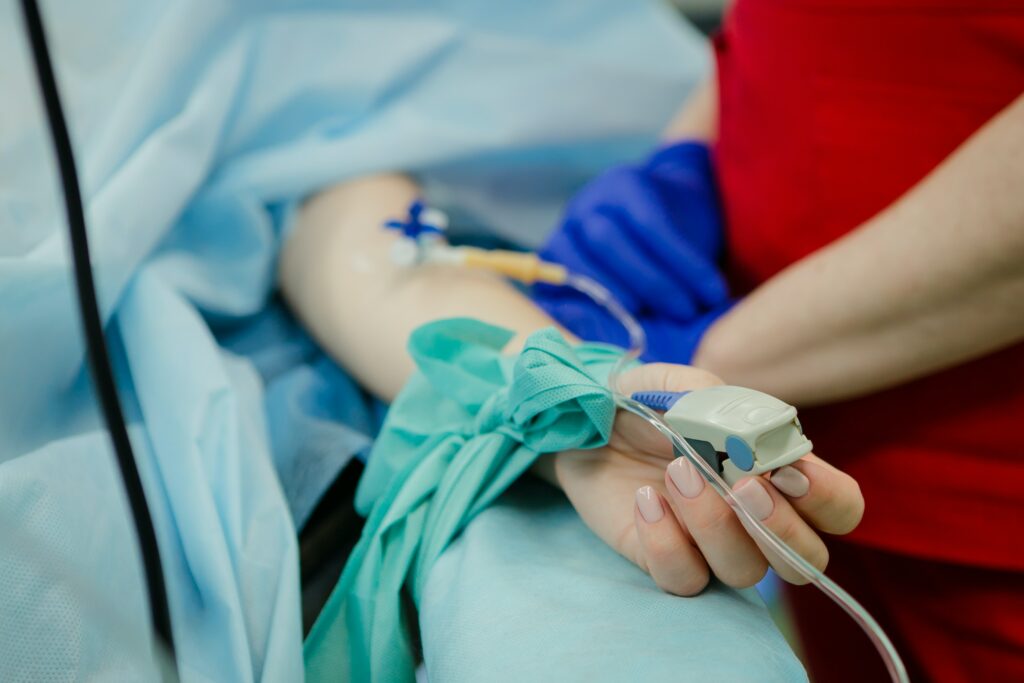
In a hospital setting, patients may exhibit violent behavior due to a variety of factors. It including mental illness, drug or alcohol intoxication, delirium, pain, or other medical conditions. When a patient becomes violent, it can pose a significant risk to the safety of the patient, other patients, and hospital staff. As such, hospitals have established protocols, including a Code Violet, to manage such situations.
A Code Violet is typically initiated by hospital staff. Who observe or are informed of a patient displaying aggressive or violent behavior. The specific protocols for a Code Violet may vary depending on the hospital, but generally involve the following steps:
- When a Code Violet is called, hospital staff, including security personnel and trained responders, quickly respond to the location of the incident to assess the situation and ensure the safety of all individuals involved. The responders are trained to approach the situation with caution and use de-escalation techniques to try to calm the situation and prevent further violence.
- Protection of Staff and Patients: The safety of hospital staff and patients is of utmost importance during a Code Violet. Staff may be directed to clear the area or evacuate patients to a safe location to prevent any harm.
- Once the situation is under control, medical staff will assess the patient to determine the underlying cause of the violent behavior and provide appropriate medical intervention. This may involve administering medications to calm the patient. It providing treatment for any physical injuries sustained during the incident, or addressing any underlying medical or psychiatric conditions.
- Documentation and Reporting: All incidents related to a Code Violet are thoroughly documented. It including the details of the incident, the response by hospital staff, and any medical interventions provided. This documentation is important for legal and administrative purposes. It may be used for follow-up care, insurance claims, and potential legal proceedings.
- Follow-Up and Support: After a Code Violet, hospital staff may provide follow-up care. Support to the patient, as well as to staff and other patients who may have been affected by the incident. This may include counseling, referrals to appropriate services, and implementing measures to prevent similar incidents in the future.
- Review and Analysis: Hospitals typically conduct a review and analysis. Each Code Violet incident to identify any contributing factors, assess the effectiveness of the response. It make any necessary improvements to their protocols or training. This may involve reviewing security measures, staff training, and patient care processes to enhance safety and prevent future incidents.
It’s important to note that a Code Violet is not intended to be punitive towards the patient. Rather, it is a response to a challenging situation that requires immediate attention to ensure the safety of everyone involved. Hospital staff are trained to prioritize patient care and safety while using de-escalation techniques and minimizing the use of force whenever possible.
In some cases, hospitals may have specialized teams, such as a Behavioral Emergency Response Team (BERT) or a Psychiatric Emergency Response Team (PERT), who are trained to handle violent or combative patients in a coordinated and specialized manner. These teams may include personnel with specialized training in crisis intervention, de-escalation techniques, and the management of psychiatric emergencies.
In conclusion, a Code Violet in a hospital is a designated response to a situation where a patient exhibits violent or aggressive behavior. It involves a rapid and coordinated response by hospital staff to ensure the safety and well-being of patients, staff, and other individuals involved.