Devaluing someone is the act of diminishing their worth or importance, often by treating them unfairly, disrespectfully, or with a lack of consideration. It can take many forms, including verbal insults, physical abuse, emotional manipulation, neglect, and dismissiveness. Devaluing someone can have serious and long-lasting effects on their self-esteem, mental health, and relationships, as well as the overall fabric of society.
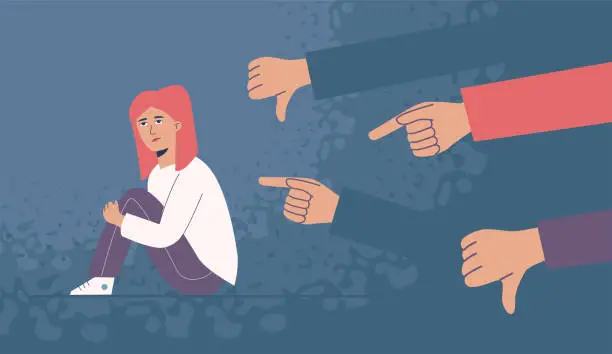
One common form of devaluing someone is through verbal insults. This can include name-calling, mocking, belittling, or making derogatory comments about their appearance, abilities, or character. Verbal insults can be particularly damaging because they can be internalized by the victim, leading to feelings of shame, inadequacy, and worthlessness. It can also erode the trust and respect in relationships, and make it difficult for the victim to feel safe and secure around the person who is devaluing them.
Another form of devaluing someone is through physical abuse. This can include hitting, kicking, pushing, or other forms of violence. Physical abuse can cause physical harm and pain, but it can also cause psychological trauma, particularly if it is perpetrated by someone who is supposed to love and care for the victim, such as a partner or parent. Physical abuse can also be used as a means of control, making it difficult for the victim to leave the relationship or seek help.
Emotional manipulation is another form of devaluing someone. This can include using guilt, fear, or shame to control the victim’s behavior, or making them feel responsible for the perpetrator’s emotions or problems. Emotional manipulation can be subtle and insidious, making it difficult for the victim to recognize and resist. It can also erode the victim’s sense of self and autonomy, making it difficult for them to assert their needs and boundaries.
Neglect is another form of devaluing someone. This can include ignoring their needs, refusing to provide emotional or financial support, or failing to provide basic care and attention. Neglect can be particularly damaging when it is perpetrated by a parent or caregiver, as it can stunt the victim’s physical and emotional development and erode their sense of worth and belonging. Neglect can also cause lasting physical and mental health problems, such as malnutrition, depression, and anxiety.
Dismissiveness is another form of devaluing someone. This can include ignoring their opinions, belittling their accomplishments, or treating them as if they are insignificant or unworthy of attention. Dismissiveness can be particularly damaging in professional and academic settings, where it can limit the victim’s opportunities for advancement and recognition. It can also erode the victim’s sense of self-worth and confidence, making it difficult for them to assert themselves and pursue their goals.
Devaluing someone can have serious and long-lasting effects on their mental health and relationships. Victims of devaluation may develop low self-esteem, anxiety, depression, and other mental health problems. They may also have difficulty forming and maintaining healthy relationships, as they may struggle to trust and connect with others. Devaluation can also have a broader impact on society, as it can perpetuate cycles of violence, inequality, and social exclusion.
To combat devaluation, it is important to recognize and challenge it whenever and wherever it occurs. This can involve speaking up when we witness someone being devalued, whether it is in our personal or professional lives. It can also involve creating safe and supportive environments for victims of devaluation to seek help and support. This can include providing access to counseling and other resources, as well as advocating for policies and laws that protect the rights and dignity of all people.
Ultimately, devaluing someone is a harmful and destructive act that can have serious and long-lasting consequences. By recognizing and challenging devaluation, we can work