Fuse and relay are both components used in electrical systems to protect, control, and manage the flow of electric current. While they may have some similarities, there are significant differences between them in terms of their purpose, operation, and applications. In this article, we will explore the key differences between a fuse and a relay.
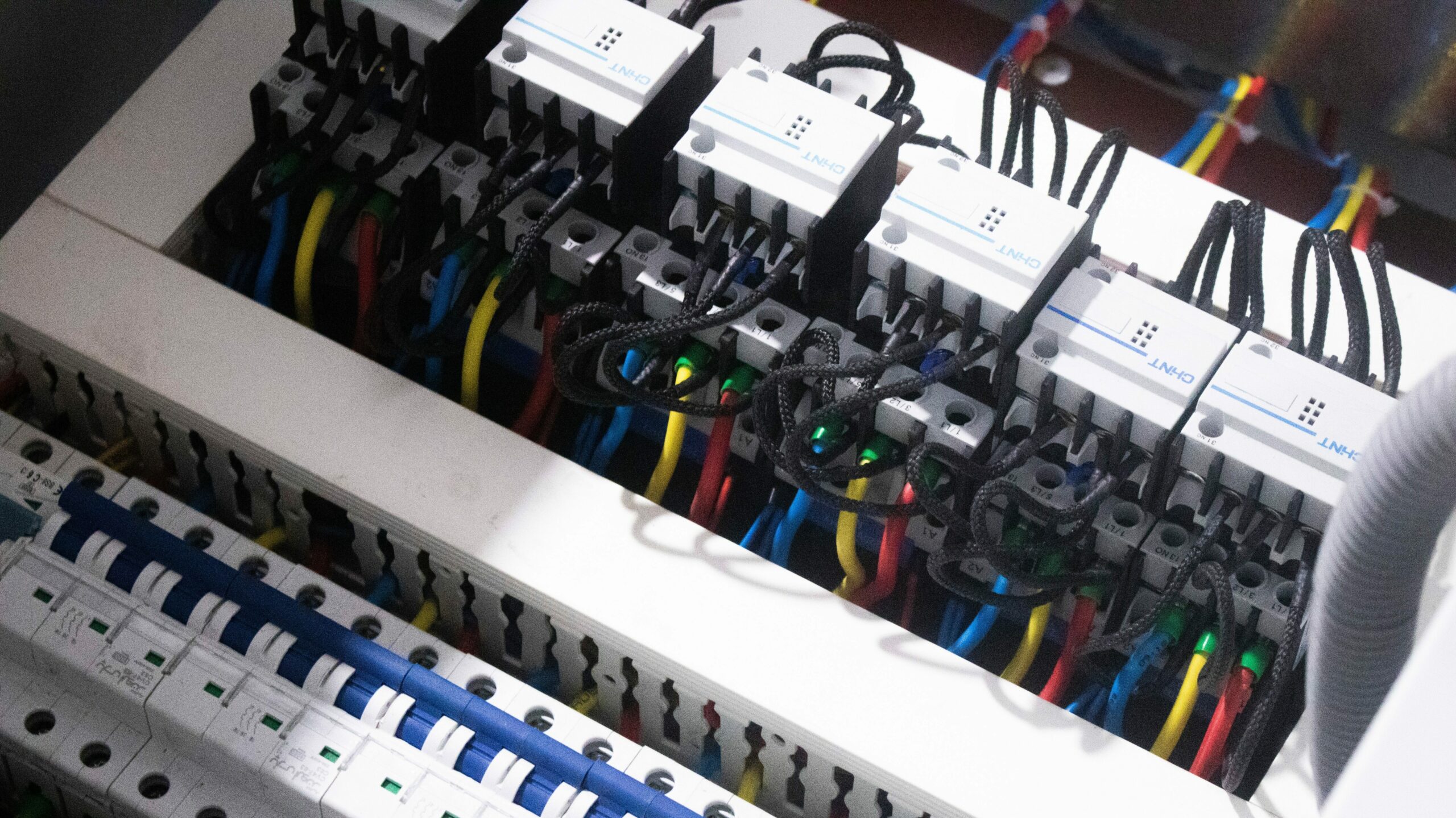
Purpose: A fuse is a protective device that is designed to interrupt the flow of electric current when it exceeds a certain level, thus preventing damage to the electrical system or devices connected to it. Fuses are typically used to protect circuits, appliances, or equipment from overcurrent conditions, short circuits, or other electrical faults that could potentially cause damage or pose a safety risk.
On the other hand, a relay is an electromechanical device that is used to control the operation of one electrical circuit by another. Relays act as switches that are controlled by an external electrical signal, allowing them to open or close a circuit and control the flow of electric current to a load. Relays are commonly used in various applications, such as in automotive systems, industrial automation, home appliances, and control systems, to control devices or circuits remotely or automatically.
Operation: A fuse operates by using a piece of conductive material, typically made of metal or alloy, that is designed to melt and break the circuit when the current exceeds a predetermined level. When the current exceeds the rated value of the fuse, the conductive element melts, creating an open circuit and interrupting the flow of current. Fuses need to be replaced after they have blown, as they are a one-time use component.
On the other hand, a relay operates by using an electromagnet to mechanically switch contacts that control the flow of current to a load. When a current is applied to the coil of the relay, it creates a magnetic field that attracts the relay’s armature, causing the contacts to close or open depending on the relay type. Once the relay is energized or de-energized, it remains in that state until the coil is energized or de-energized again. Relays can be used repeatedly and can be controlled remotely or automatically through electronic signals.
Applications: Fuses are commonly used in various electrical systems and devices to provide protection against overcurrent, short circuits, or other electrical faults. They are typically used in electrical circuits, power distribution boards, appliances, and electronic devices to prevent damage or hazards caused by excessive current flow. Fuses are available in different types, sizes, and ratings, and are selected based on the specific requirements of the circuit or device they are protecting.
Relays, on the other hand, are used for control and switching purposes. They are widely used in automotive systems, industrial automation, home appliances, and control systems to control devices or circuits remotely or automatically. Relays can be used to control motors, lights, valves, solenoids, and other electrical loads. They can also be used in applications that require complex control logic, timing functions, or remote control.
Advantages and Limitations: Fuses have some advantages, such as being simple, inexpensive, and reliable. They are also quick to react to overcurrent conditions and provide effective protection against short circuits and other electrical faults. Fuses are also typically easy to replace, and their blown state makes it visually evident that they need to be replaced.
However, fuses also have some limitations. One of the limitations is that they are one-time use components and need to be replaced after they have blown. This can result in downtime and additional costs for replacement fuses. Fuses also have a fixed current rating, and changing the rating requires replacing the entire fuse, which may not be convenient in some cases.