Jutsu is a term commonly used in the world of Japanese martial arts, specifically in the practice of ninjutsu and other martial arts styles derived from traditional Japanese warrior culture. In Japanese, jutsu translates to “technique” or “skill,” and is often used in reference to the various techniques and methods used in martial arts training.
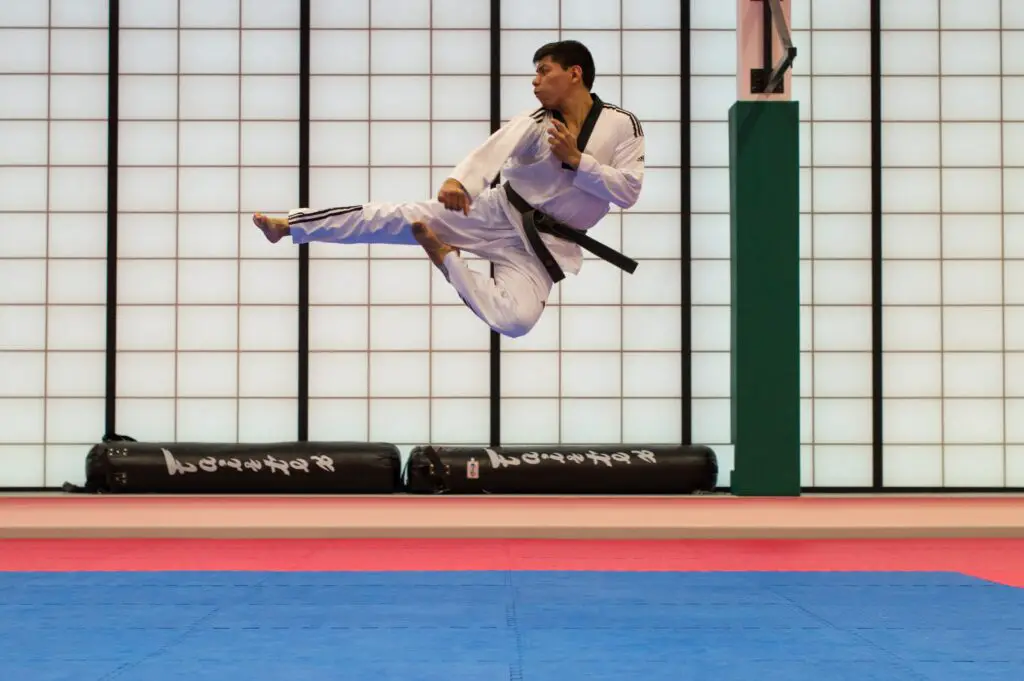
In real life, jutsu is a term used to describe a specific set of techniques and skills used in martial arts practice, which are designed to help a practitioner develop greater physical strength, agility, and mental focus. These techniques often involve a combination of physical movement, breathing exercises, and mental visualization, all aimed at improving overall physical and mental health.
In traditional Japanese martial arts, there are many different types of jutsu, each with its own unique set of techniques and training methods. Some of the most commonly practiced jutsu include:
- Taijutsu: This is a type of jutsu that focuses on hand-to-hand combat and close-quarters fighting. Taijutsu practitioners learn a variety of grappling, striking, and joint-locking techniques, as well as methods for evading and blocking attacks.
- Ninjutsu: This is a type of jutsu that is often associated with the ninja, or shinobi, of feudal Japan. Ninjutsu practitioners learn a variety of stealth, infiltration, and espionage techniques, as well as methods for using weapons like swords, throwing stars, and blowguns.
- Kenjutsu: This is a type of jutsu that focuses specifically on swordsmanship. Kenjutsu practitioners learn a variety of sword techniques, including cutting, thrusting, and parrying, as well as methods for using the sword in both offensive and defensive situations.
- Kendo: This is a type of jutsu that is often described as “Japanese fencing.” Kendo practitioners use a bamboo sword called a shinai to practice striking and blocking techniques, as well as methods for reading and anticipating their opponent’s movements.
- Iaido: This is a type of jutsu that focuses specifically on the art of drawing and sheathing a sword. Iaido practitioners learn a variety of techniques for quickly drawing their sword from its scabbard and using it to strike an opponent, as well as methods for returning the sword to its scabbard just as quickly.
In addition to these specific types of jutsu, there are also many other techniques and methods used in Japanese martial arts that could be considered jutsu. For example, practitioners may use breathing exercises and visualization techniques to improve their concentration and focus, or they may learn methods for developing greater speed and agility through specific training exercises.
While jutsu techniques are often associated with the world of martial arts, many of these techniques can also be applied to everyday life. For example, learning to control your breathing and remain calm under pressure can be beneficial in a variety of situations, from public speaking to high-stress work environments. Similarly, developing greater physical strength and agility can help you maintain a healthier and more active lifestyle overall.
In conclusion, jutsu is a term used to describe a specific set of techniques and skills used in Japanese martial arts, aimed at developing greater physical strength, agility, and mental focus. While many of these techniques are associated with specific martial arts styles like ninjutsu or kendo, they can also be applied to everyday life to help individuals develop greater physical and mental well-being. By practicing jutsu techniques, individuals can learn to control their body and mind in new and powerful ways, ultimately improving their overall quality of life.