Meat consumption is a widely debated topic, and there are many factors that influence which meats are most consumed in the world. Some of these factors include cultural and religious beliefs, economic factors, availability, and taste preferences. Despite these factors, there is one meat that stands out as the most consumed in the world: pork.
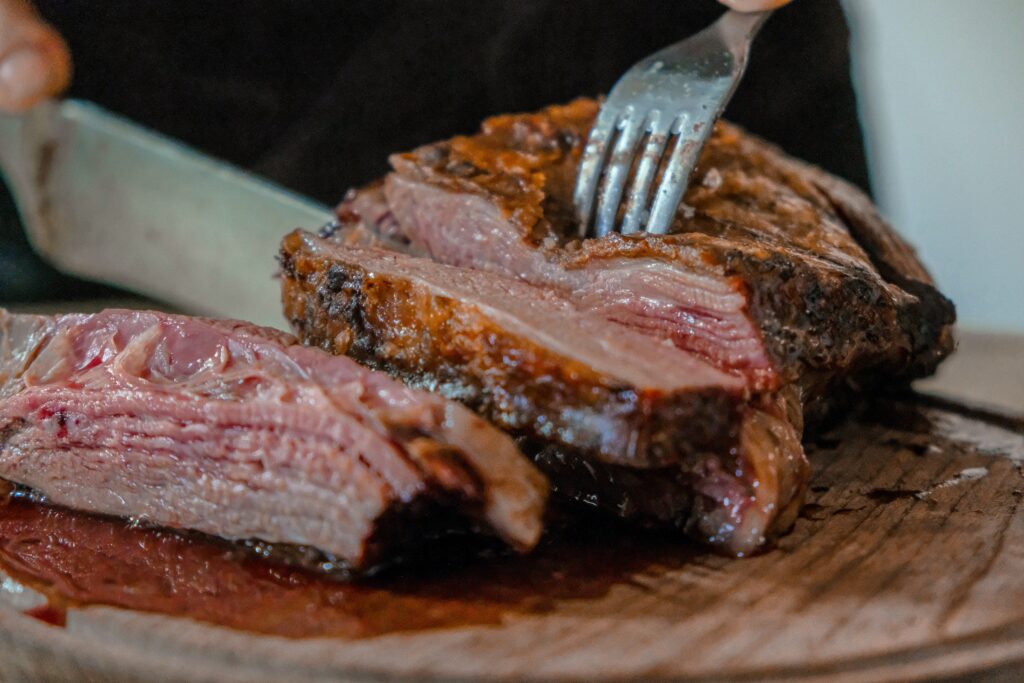
Pork is the most commonly consumed meat in the world, accounting for over 36% of all meat consumed globally. It is eaten in many different forms and is a staple in many countries’ diets. In this essay, we will explore why pork is so popular and examine the reasons behind its widespread consumption.
One of the primary reasons why pork is so widely consumed is its affordability. Compared to other meats such as beef, lamb, and chicken, pork is often less expensive, making it a more accessible protein source for many people. This is especially true in countries with lower GDPs, where people may not have the financial means to purchase more expensive meats.
Another reason why pork is so popular is its versatility. Pork can be cooked in a variety of ways, making it suitable for many different dishes. It can be roasted, grilled, fried, or stewed, and it is often used in sausages, cured meats, and other processed foods. This versatility means that pork can be included in many different types of cuisine, from traditional dishes to modern fusion cuisine.
Pork is also a popular meat because it is high in protein and contains essential vitamins and minerals. Pork is an excellent source of vitamin B12, which is important for healthy red blood cells and the nervous system. It also contains iron, zinc, and selenium, which are essential minerals that support healthy bodily functions. Additionally, pork is a lean meat that is relatively low in fat, making it a healthier option compared to other meats that are higher in saturated fat.
Cultural and religious beliefs also play a significant role in the consumption of pork. In many countries, pork is a staple in the local cuisine and is an essential part of cultural traditions. For example, in China, pork is used in many dishes and is a key ingredient in Chinese cuisine. Similarly, in Europe, pork is used in traditional dishes such as sausages, hams, and cured meats. In contrast, some religions such as Islam and Judaism prohibit the consumption of pork, which limits its consumption in certain parts of the world.
The popularity of pork is not without controversy, however. There have been concerns about the environmental impact of pork production, as well as the ethical considerations surrounding the treatment of pigs. Pork production can contribute to deforestation, water pollution, and greenhouse gas emissions, which can have a negative impact on the environment. Additionally, there have been concerns about the use of antibiotics in pork production, which can lead to antibiotic resistance in humans.
Despite these concerns, the consumption of pork continues to be widespread. The rise of industrial farming has made pork production more efficient, which has helped to keep prices low and increase availability. Additionally, advancements in animal welfare and sustainable farming practices have helped to address some of the ethical and environmental concerns associated with pork production.
In conclusion, pork is the most commonly consumed meat in the world due to its affordability, versatility, nutritional value, and cultural significance. While there are concerns about the environmental impact and ethical considerations surrounding pork production, it remains a staple in many countries’ diets. As consumers become more aware of these issues, there is an opportunity to make more informed choices about the meat we consume and support sustainable and ethical pork production practices.