Polish grandmothers, also known as “Babcias,” are highly respected figures in Polish culture. They are known for their wisdom, warmth, and nurturing personalities, and are often the matriarchs of their families. Babcias play an important role in maintaining family traditions and passing them down to future generations.
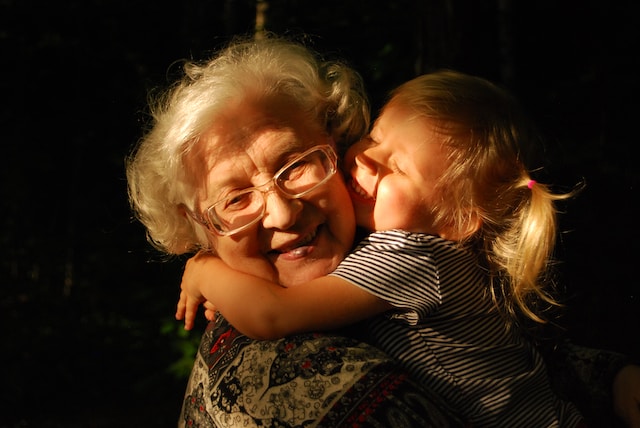
Polish grandmothers are typically portrayed as loving and caring individuals who take pride in their families and communities. They are often excellent cooks and are known for their traditional recipes, which have been passed down from generation to generation. Babcias are known for their pierogi, bigos, and other traditional dishes, which are often served during family gatherings and holidays.
In addition to their culinary skills, Polish grandmothers are also known for their strong work ethic and dedication to their families. They are often the primary caregivers for their grandchildren, and many Babcias are still actively involved in raising their grandchildren today. Polish grandmothers are also known for their unwavering faith and devotion to the Catholic Church, which plays a significant role in Polish culture.
Polish grandmothers also have a reputation for being strong-willed and independent. They have lived through difficult times, including World War II and Communist rule in Poland, and have learned to be resourceful and self-sufficient. They are often seen as role models for younger generations, as they have survived hardships and adversity with grace and dignity.
In Polish culture, the relationship between a grandparent and grandchild is highly valued, and Babcias are often the primary source of guidance and support for their grandchildren. They are seen as a source of wisdom and knowledge, and their life experiences are often sought after by younger generations. Polish grandmothers are also known for their storytelling abilities, and many children have fond memories of listening to their Babcia’s stories and learning about their family history.
In recent years, there has been a resurgence of interest in Polish culture, and many younger generations are seeking to connect with their roots and learn more about their family history. Polish grandmothers are often the key to unlocking this knowledge, as they are the keepers of family traditions and histories. Many Babcias are happy to share their stories and pass down their knowledge to younger generations, ensuring that their culture and traditions continue to thrive.
In conclusion, Polish grandmothers, or Babcias, play an important role in Polish culture. They are known for their warmth, wisdom, and dedication to their families and communities. Babcias are the matriarchs of their families and are often the primary source of guidance and support for their grandchildren. They are excellent cooks and are known for their traditional recipes, as well as their unwavering faith and devotion to the Catholic Church. Polish grandmothers have lived through difficult times and have learned to be strong-willed and independent. They are role models for younger generations and are the keepers of family traditions and histories, ensuring that their culture continues to thrive for years to come.