The 0-100 mph (0-160 kph) acceleration of an F1 car is a crucial performance parameter. That demonstrates the immense power and speed of these cutting-edge racing machines. F1 cars are known for their lightning-fast acceleration and breathtaking speeds. Making them some of the fastest cars on the planet. In this article, we will delve into the details of the 0-100 mph acceleration of an F1 car. Covering the key factors that influence this performance metric, the technology behind it. The evolution of F1 car acceleration over the years.
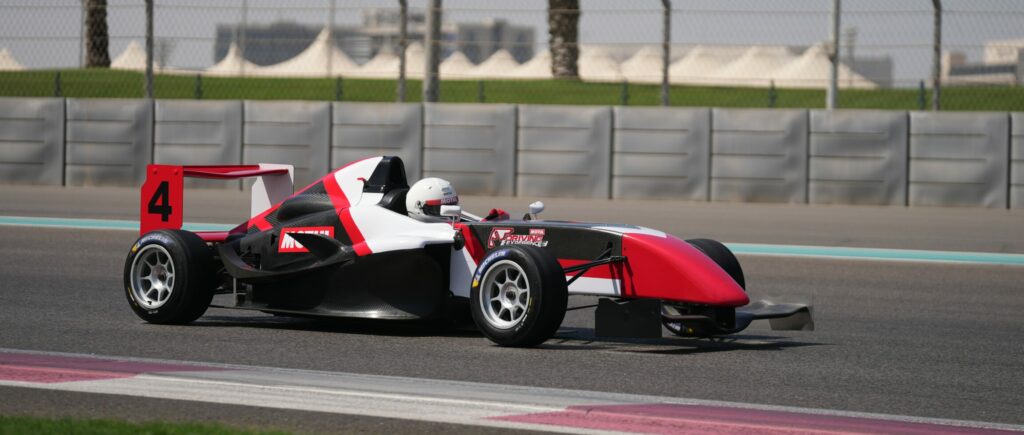
To understand the 0-100 mph acceleration of an F1 car. We must first grasp the fundamental elements that contribute to this incredible feat. F1 cars are designed to be lightweight, aerodynamic, and powered by highly advanced hybrid power units. These power units consist of a V6 turbocharged engine. An electric motor, which work in conjunction to propel the car forward with unmatched power and efficiency. The power units are capable of producing over 1000 horsepower, which is considerably higher than most road cars. Additionally, F1 cars employ cutting-edge aerodynamics, including complex wings, diffusers, and air ducts. To generate immense downforce that allows them to maintain traction and stability at high speeds, thus enabling rapid acceleration.
The tires used in F1 cars also play a crucial role in their acceleration performance. F1 cars use specially designed Pirelli tires that provide exceptional grip and traction. Allowing the car to transfer power to the track efficiently. These tires are designed to withstand the immense forces exerted on them during acceleration, braking, and cornering. They are optimized for performance in various weather conditions. The combination of lightweight construction, powerful hybrid power units, advanced aerodynamics. High-performance tires results in an unparalleled acceleration capability for F1 cars.
The 0-100 mph acceleration time of an F1 car has evolved significantly over the years, thanks to advancements in technology and engineering. In the early days of F1 racing, during the 1950s and 1960s, the cars had much lower power outputs, less sophisticated aerodynamics, and less advanced tire technology compared to modern-day F1 cars. As a result, their acceleration times were relatively slower. However, with advancements in materials, manufacturing techniques, and computer-aided design, F1 cars have become much lighter, more aerodynamically efficient, and more powerful, resulting in faster acceleration times.
In recent years, the introduction of hybrid power units in F1 cars has significantly impacted their acceleration performance. The hybrid power units, also known as power unit systems (PUS), consist of a 1.6-liter V6 turbocharged engine combined with an electric motor that recovers energy from the exhaust gases and braking system. This recovered energy can then be used to boost the car’s performance, including acceleration. The electric motor, powered by lithium-ion batteries, provides an instant torque boost, which helps in achieving faster acceleration. The combination of the V6 turbocharged engine and the electric motor results in a remarkable power-to-weight ratio, allowing F1 cars to achieve astonishing acceleration times.
In recent years, the 0-100 mph acceleration time of an F1 car has been consistently improving, and it currently stands at around 1.6 to 1.8 seconds, depending on various factors such as track conditions, tire grip, and car setup. However, it’s important to note that different teams and drivers may achieve slightly different acceleration times due to differences in car setups, driving styles, and other variables. Nevertheless, the 0-100 mph acceleration of an F1 car is an awe-inspiring feat that demonstrates the pinnacle of automotive engineering and technology.
Achieving such incredible acceleration requires meticulous engineering and careful optimization of various factors.