The beauty standard in America has evolved over time, but it has consistently been heavily influenced by media and cultural factors. From the idealized beauty portrayed in movies and advertisements to the pressures of social media, Americans are exposed to a variety of standards and expectations regarding appearance. In this answer, we will explore the evolution of the beauty standard in America and examine the factors that contribute to its current form.
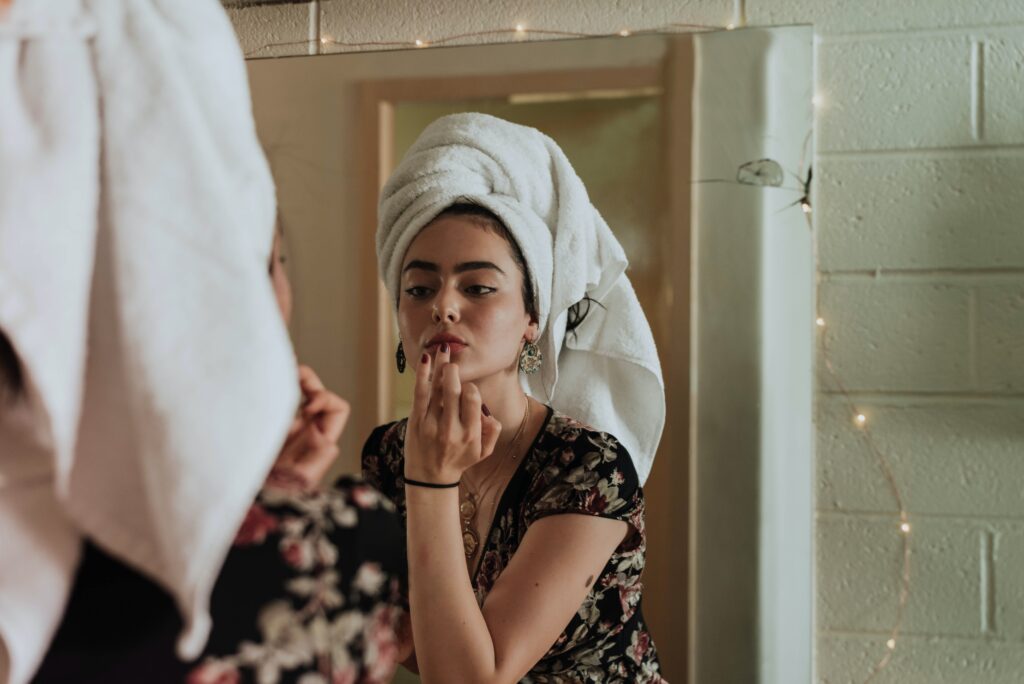
Historically, the beauty standard in America has been influenced by European beauty ideals. In the early 20th century, for example, beauty was often equated with a pale complexion, high cheekbones, and a petite, curvaceous figure. In the 1920s, however, the ideal shifted to a more androgynous look with a slim figure, short hair, and boyish charm, popularized by flappers.
In the 1950s, the ideal beauty standard shifted once again towards a more curvaceous figure with an emphasis on the hourglass shape. Actresses such as Marilyn Monroe and Elizabeth Taylor exemplified this standard of beauty, with their voluptuous curves and glamorous makeup.
As the feminist movement gained momentum in the 1960s and 1970s, beauty standards began to shift again. Women began to reject the idea that their worth was tied to their appearance and instead began to celebrate their natural bodies. The 1980s and 1990s saw a resurgence of the thin, toned look, popularized by models like Cindy Crawford and Kate Moss.
In the 2000s and beyond, beauty standards have become more diverse and inclusive, with a greater emphasis on body positivity and acceptance. The rise of social media has allowed individuals to challenge traditional beauty standards and promote alternative forms of beauty.
Despite this evolution, there are still certain beauty standards that are widely recognized and valued in American culture. One of these is a youthful appearance, with smooth, wrinkle-free skin, bright eyes, and a slender figure. Women, in particular, are often judged harshly for their aging appearance, and there is a significant market for anti-aging products and cosmetic procedures.
Another beauty standard in America is a fit and toned body, with an emphasis on physical fitness and exercise. Many women feel pressure to maintain a certain body shape, often achieved through dieting, exercise, and other lifestyle changes. Men are also subject to these pressures, with an emphasis on muscularity and a toned physique.
In addition to these physical standards, there are also certain beauty standards related to race and ethnicity. Historically, Eurocentric beauty standards have been prevalent in American culture, with a preference for lighter skin, straight hair, and narrow facial features. This has led to discrimination and prejudice against people of color, who are often judged against these standards. However, in recent years, there has been a greater emphasis on diversity and inclusivity in beauty standards, with a recognition of the unique beauty of different races and ethnicities.
Media and advertising play a significant role in shaping beauty standards in America. The beauty industry is a multibillion-dollar business, and companies often use advertising and marketing to promote their products and ideals. This can lead to an unrealistic and narrow portrayal of beauty, with heavily edited images and models who are often not representative of the general population.
Social media has also had a significant impact on beauty standards in America. With platforms like Instagram and TikTok, individuals have more control over their image and can present themselves in a way that is consistent with their personal brand. However, this can also lead to a focus on appearance and comparison, with many individuals feeling pressure to present a perfect image.
In conclusion, the beauty standard in America is a complex and evolving concept that is heavily influenced by media, culture, and social factors.