The Crip Walk, also known as the C-Walk, is a dance move that originated in the 1970s in Compton, California, as a way for members of the Crips gang to identify each other. The dance involves a combination of footwork and body movements that are often performed to rap or hip-hop music. It is characterized by its smooth, fluid motions and intricate footwork patterns.
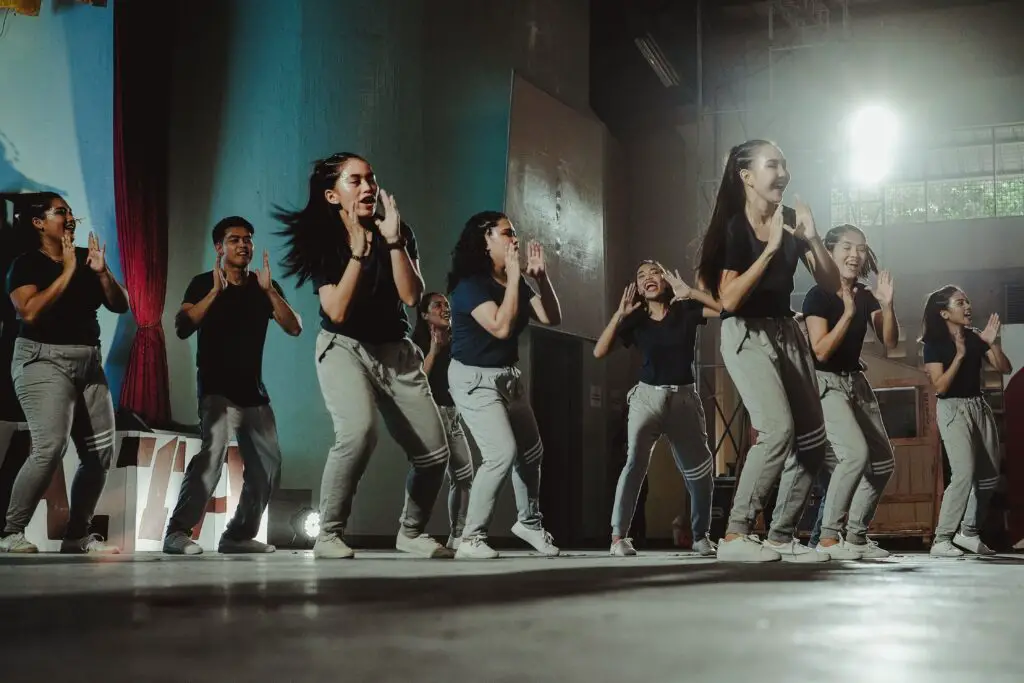
The Crip Walk has its roots in the larger culture of street dance and hip-hop. It evolved from earlier dance styles such as the Harlem Shake and the Electric Boogaloo, which were popularized in the 1960s and 1970s. The dance became closely associated with the Crips gang, who used it as a way to demonstrate their affiliation and intimidate their rivals.
Despite its association with gang culture, the Crip Walk has gained popularity in mainstream hip-hop culture and has been featured in music videos, movies, and television shows. The dance has also been adopted by dancers in other countries and has evolved into many variations and styles.
The origins of the name “Crip Walk” are unclear. Some say that “Crip” is an acronym for “Community Revolution in Progress,” while others suggest that it simply refers to the Crips gang. Similarly, the origin of the term “C-Walk” is also unknown, although some speculate that it may stand for “Crip Walk” or “Compton Walk.”
The Crip Walk has been controversial over the years due to its association with gang culture and violence. In some cases, the dance has been used as a way to taunt rival gangs and has led to violent confrontations. However, many dancers today perform the Crip Walk as a way to express themselves and pay tribute to the history and culture of hip-hop.
In conclusion, the Crip Walk is a dance move that originated in the 1970s in Compton, California, as a way for members of the Crips gang to identify each other. Despite its association with gang culture and violence, the dance has gained popularity in mainstream hip-hop culture and is now performed by dancers all over the world. While its origins and name are still disputed, the Crip Walk remains an important part of hip-hop culture and continues to evolve and influence new dance styles.